
Training Video Production
Learning films, drama, e-learning and interactive simulations for organisations that train at scale.
Floating Harbour, a film production company in Bristol, makes learning films for organisations across the UK: business simulations, dramatised scenarios, expert talks, course content and e-learning that sit inside leadership, safety, clinical and skills programmes. Our clients include Network Rail, Petrofac, Severfield, the NHS, the Judicial Studies Board and the University of Birmingham, and much of the work is made with the learning and development consultants and specialists, training providers and role-play specialists who design the programmes, Impromptu and Fuel Learning among them. We have been doing it since 2001, across the UK and beyond
When the programme needs a platform as well as the films, we build that too. Do you have a programme that needs film, course content, drama, a simulation or a whole programme on camera? We would like to hear about it.
Network Rail, with Fuel Learning and Impromptu
A simulation that runs end to end
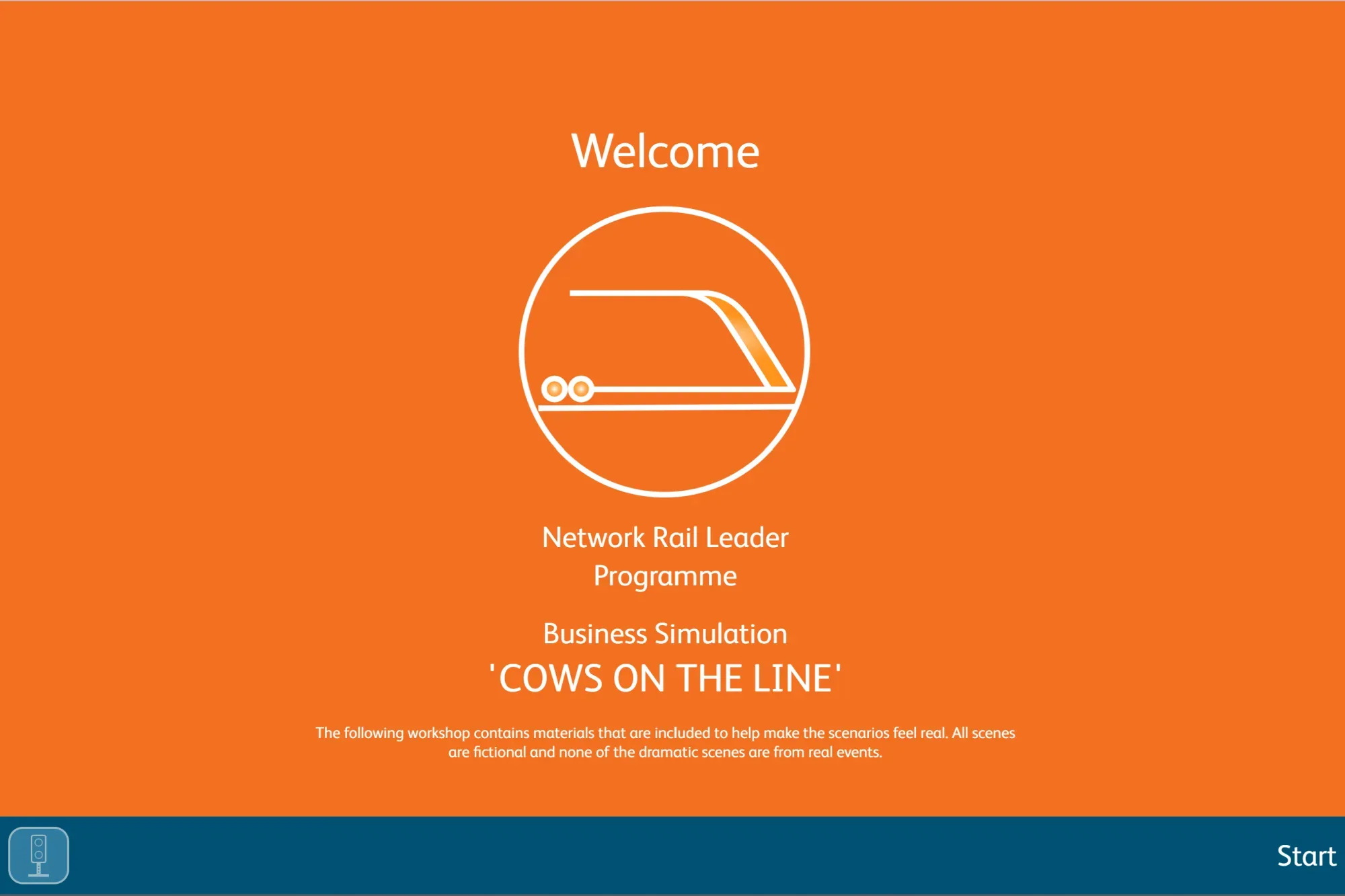
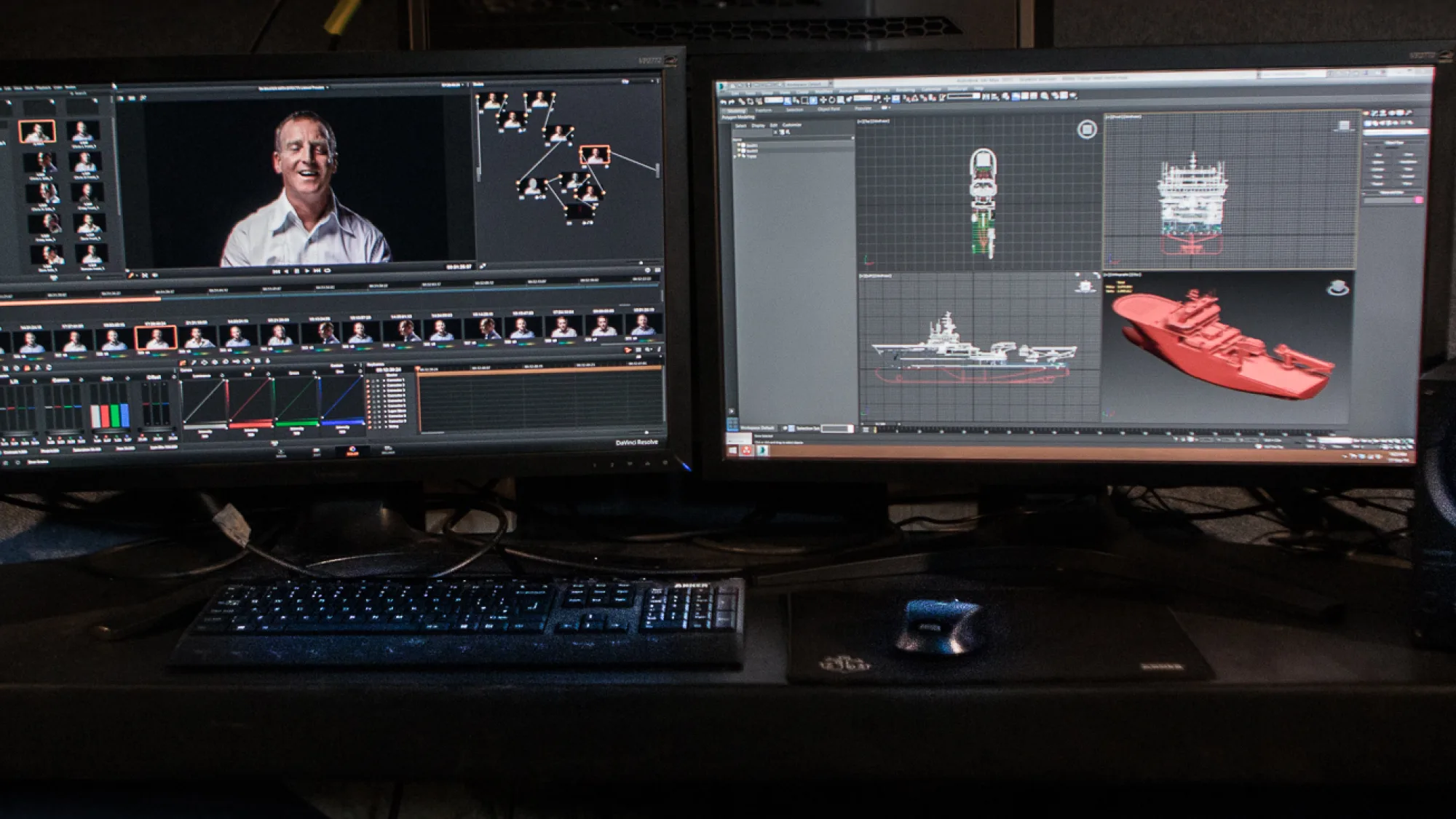
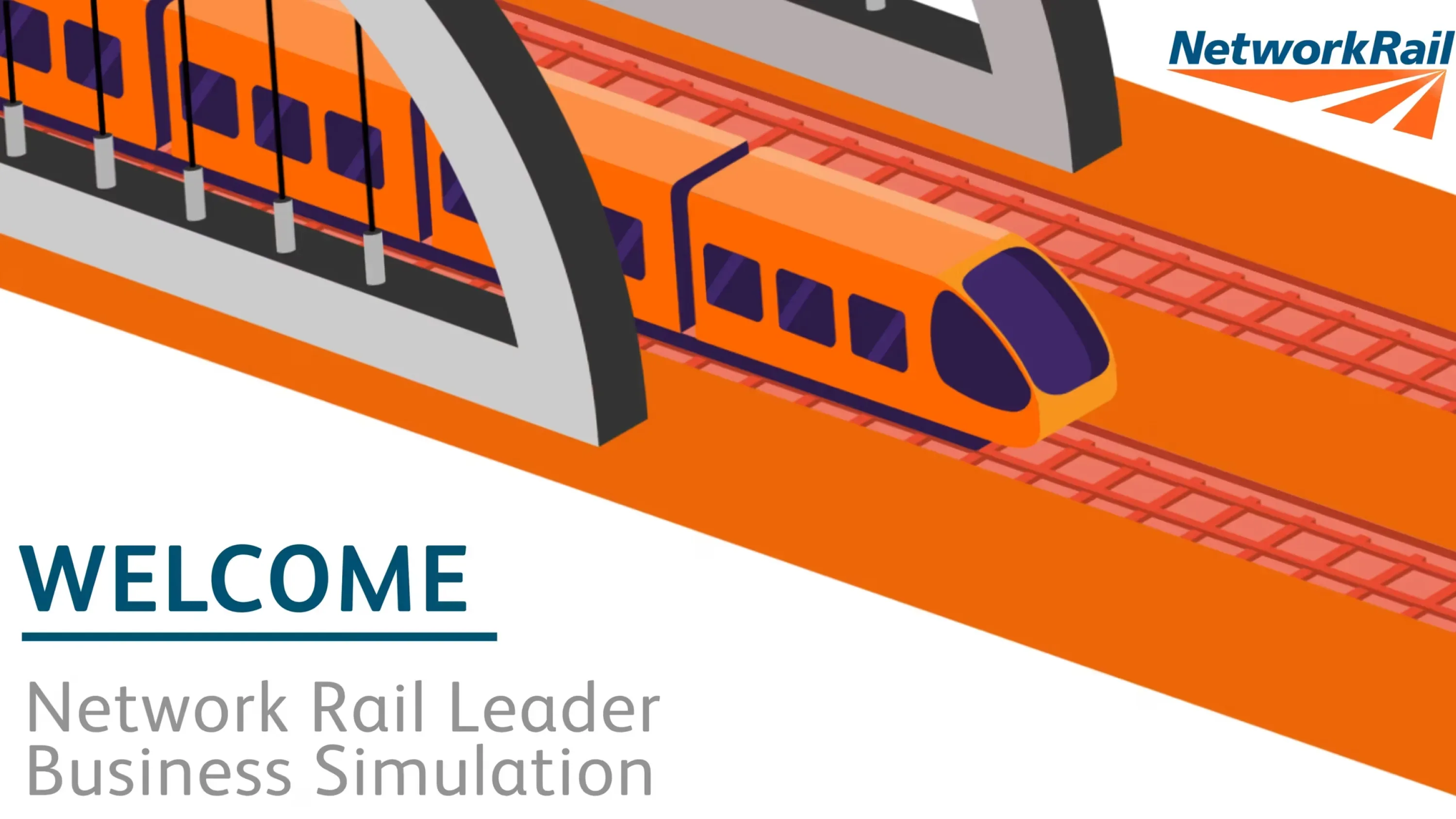
For Network Rail we turned two flagship leadership workshops from a paper exercise into an interactive business simulation, delivered on iPads and through a web app we designed and built. One narrative follows an infrastructure build for a global event, the other a catastrophic rail incident. Both are told through drama, news broadcasts, radio, mock websites and animation, with the app handing delegates each piece of information at the right moment and motion graphics carrying the parts of the railway that cannot be filmed. The paper went, the facilitators' workload fell, and the decisions felt real. See the project.
Part of a wider programme
Expertise that complements the learning
A learning film usually arrives as one component of something bigger: a leadership programme, a safety campaign, a degree course, a counselling qualification, a management workshop, an intranet resource. We have been doing this for a long time, and it has put us inside rail, oil and gas, construction, healthcare and medical training, the judiciary, retail, financial services, universities and professional bodies. That exposure is what we bring to the people designing the programme: an understanding of how learning is built and how each industry works, and the craft to bring the content to life so that it lands with the people it is for. The learner, the learning outcome and the quality of the film all matter, and none is traded off against the others.
How we make training videos that work
We start with the programme: who is in the room or on the platform, what they need to do differently afterwards, and where the film sits in the running order. Then the format follows the job. A dramatised scenario when people need to see behaviour and consequence; a simulation when they need to make decisions under pressure; presenter-led or animated modules when the content has to be worked through alone; documentary when real voices will carry it further than a script.
We write with your subject experts and facilitators, so the content is right and the language is the industry's own. We cast and direct properly, because a scenario only teaches if the behaviour on screen is convincing, and we are used to filming on live sites, in courtrooms and on wards, and to interviewing people who are not used to a camera. Everything is built to be updated rather than remade, with captions, transcripts and versions delivered for whichever platform the programme runs on.
The kinds of training video we make
Business simulations and interactive learning platforms. Scenarios built around decisions, with the films, documents, broadcasts and interface designed together so learners choose and see the consequence. The Network Rail leadership simulation runs end to end in a web app we built, with motion graphics as the visual glue between the films, the app and the learning materials, and animated backstory for the 1833 Line. We have built the platform ourselves more than once. Most recently, for a Great British Railways induction programme, we built a whole immersive simulation: a train carriage with synchronised views through its windows, a film about the future of the railways, and an app of our own that controls six projectors and triggers the journey.
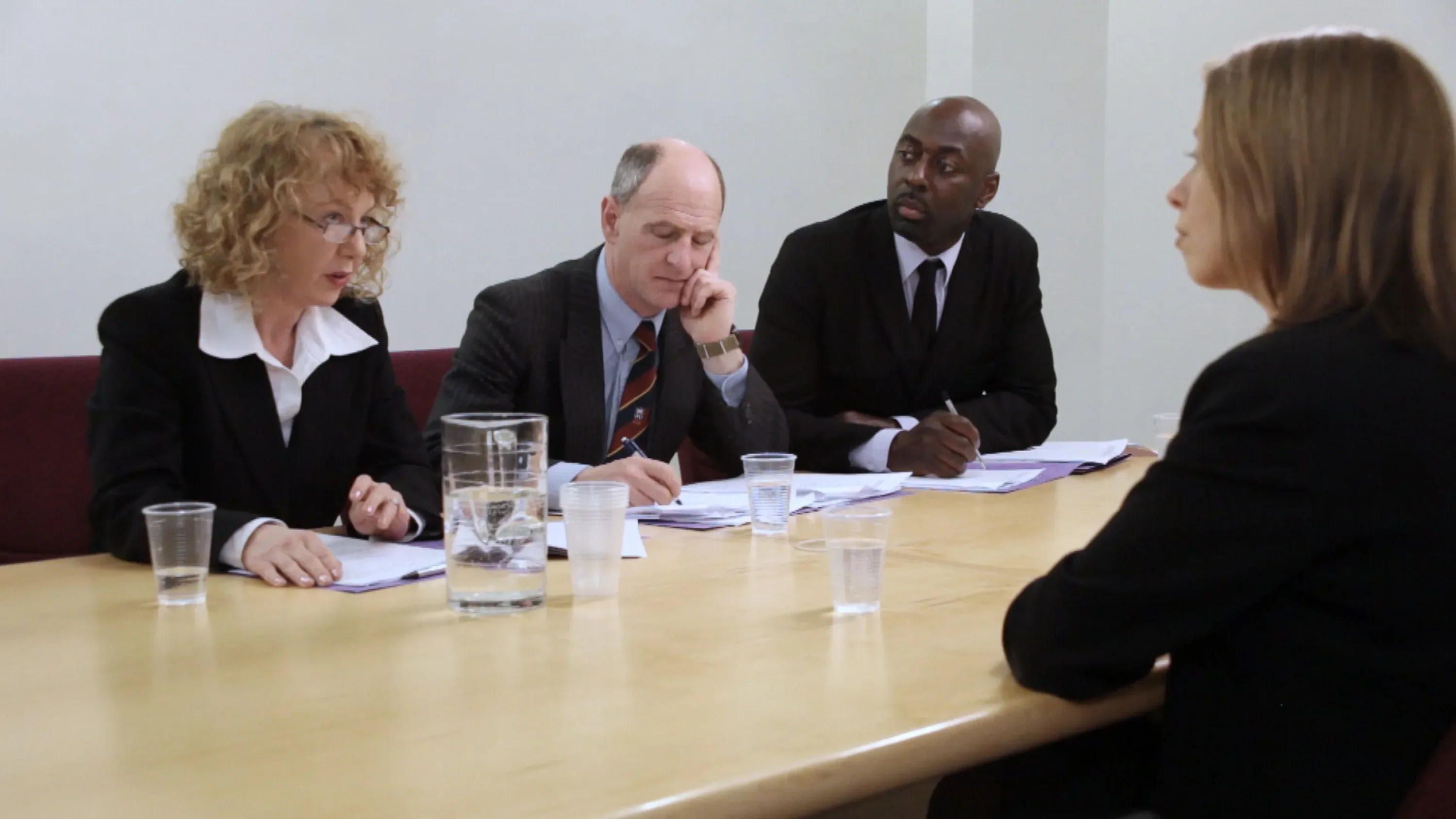
Scenario-based learning and drama. Scripted scenarios with professional actors that show behaviour, consequence and choice. The Safety Intervention Films, made with Petrofac, Impromptu and W2 Training, reconstruct real incidents to teach the STEP process (Stop, Think, Evaluate, Proceed) and now open workshops for thousands of employees worldwide, across languages. The Courtroom Scenarios for the Judicial Studies Board, including The Youth Court, were shot in London courtrooms with a cast of more than fifteen and are used to train judges.
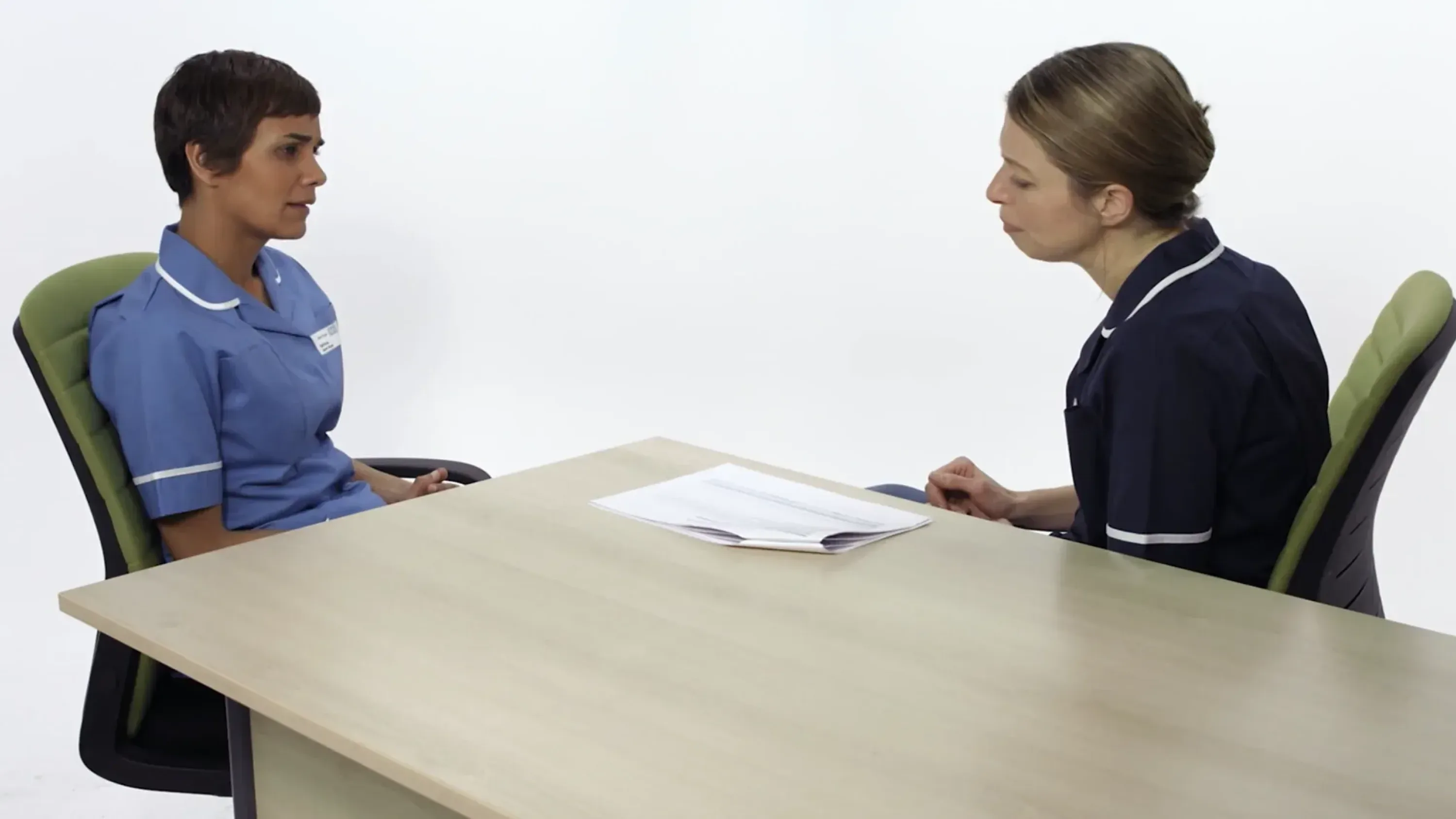
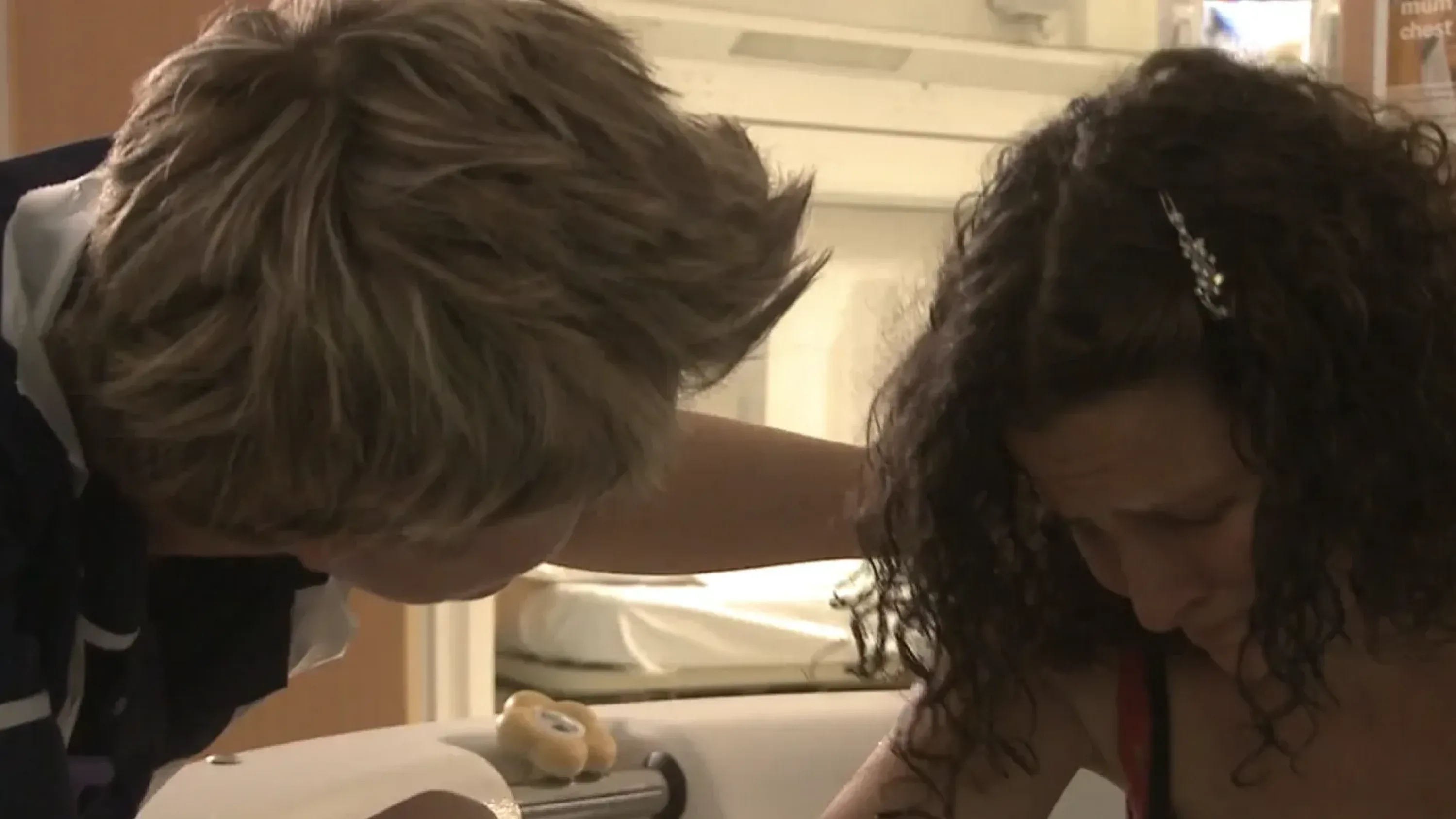
eLearning content: expert talks and models brought to life. A great deal of workplace learning rests on models: the Thomas-Kilmann conflict modes, transactional analysis, assertiveness, coaching and feedback frameworks. We turn them into films people remember, usually by showing the model happening in a scene rather than on a slide, and we film the consultants, clinicians and experts who teach them, properly lit and directed, as pieces to camera and talks that hold an audience. For Salford Royal NHS Foundation Trust, with Impromptu, that became more than fifty e-learning film assets on one-to-one conversations for managers, built around exactly those models and now used across the trust and beyond.
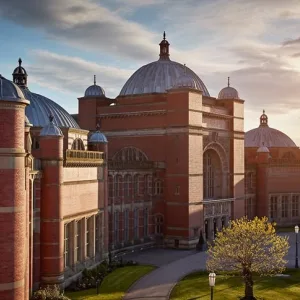
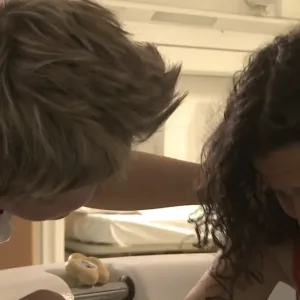
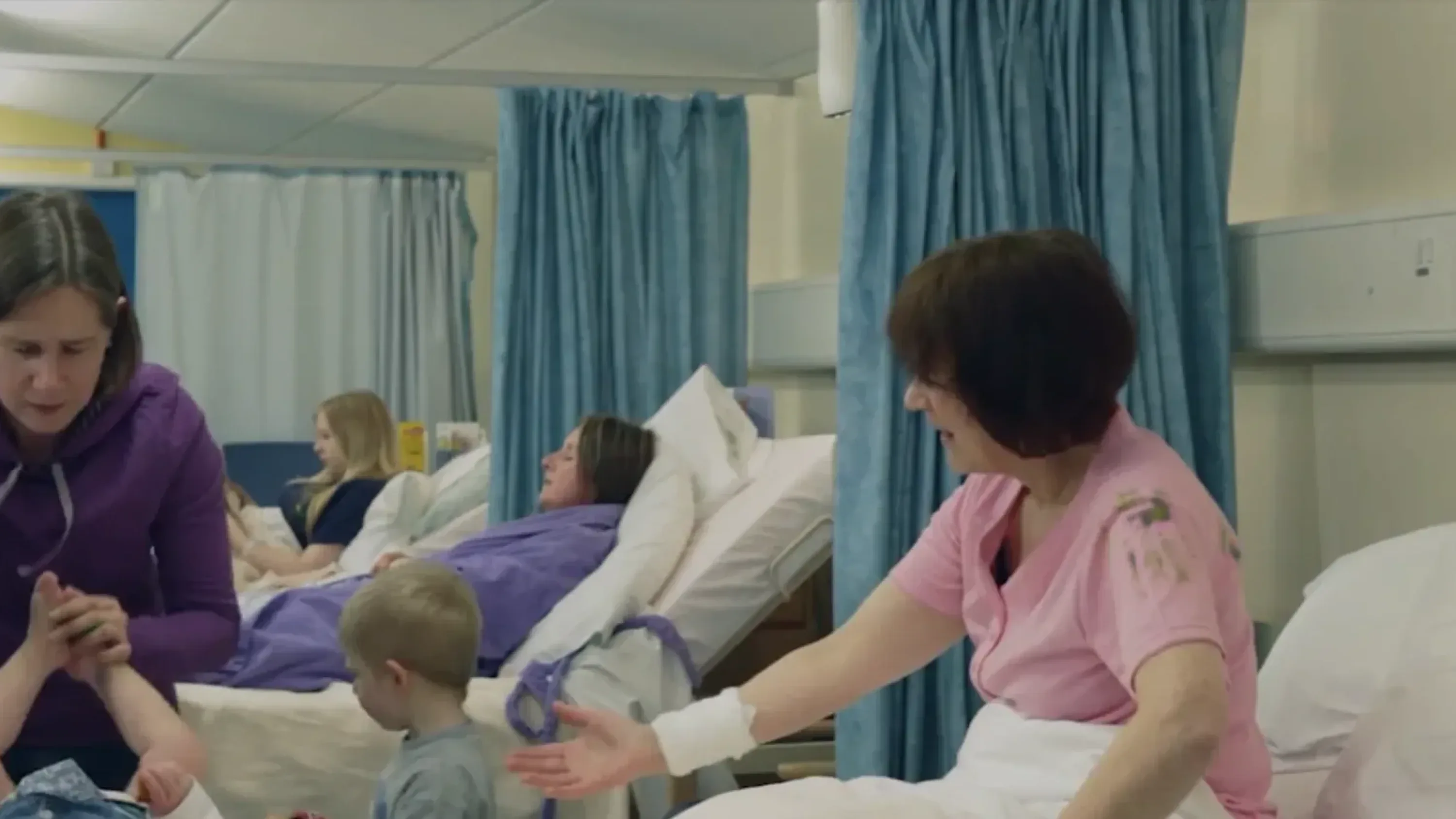
Course content and instructional videos. Whole syllabuses on film, produced in volume without the production values slipping. For the University of Birmingham we made more than eighty films of the tests a physiotherapy undergraduate has to learn, for the degree course, alongside clinical films on infection control and end-of-life care. For Chrysalis Courses we make counselling course content as well as their national advertising. Presenter-led, demonstration-led or dramatised, depending on what the module needs.
More learning films we have made. Cardiff University, Network Rail, King's College London: Life After Death, Lifeline, Laudes Safeguarding Animation, Back to Basics.











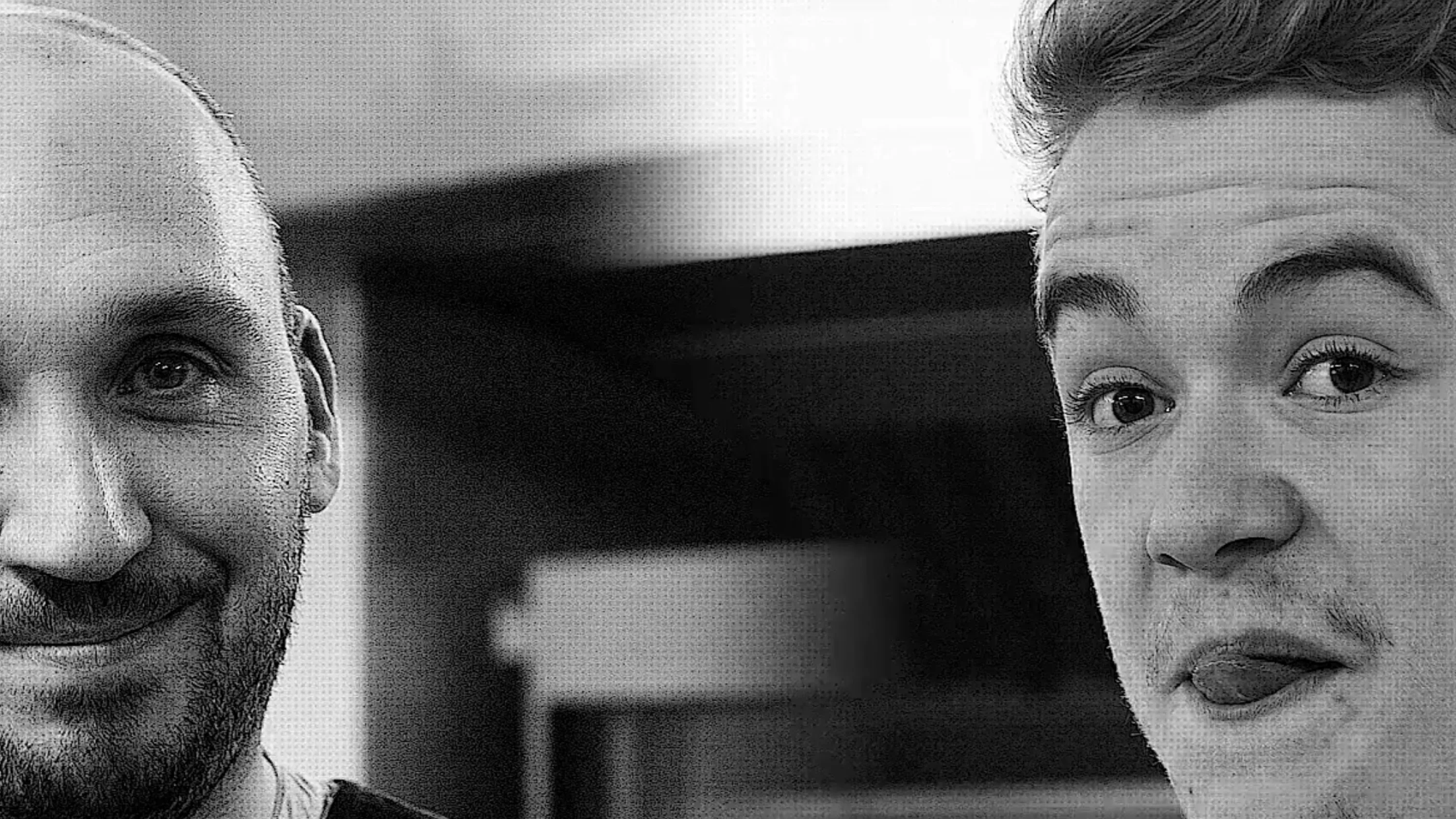

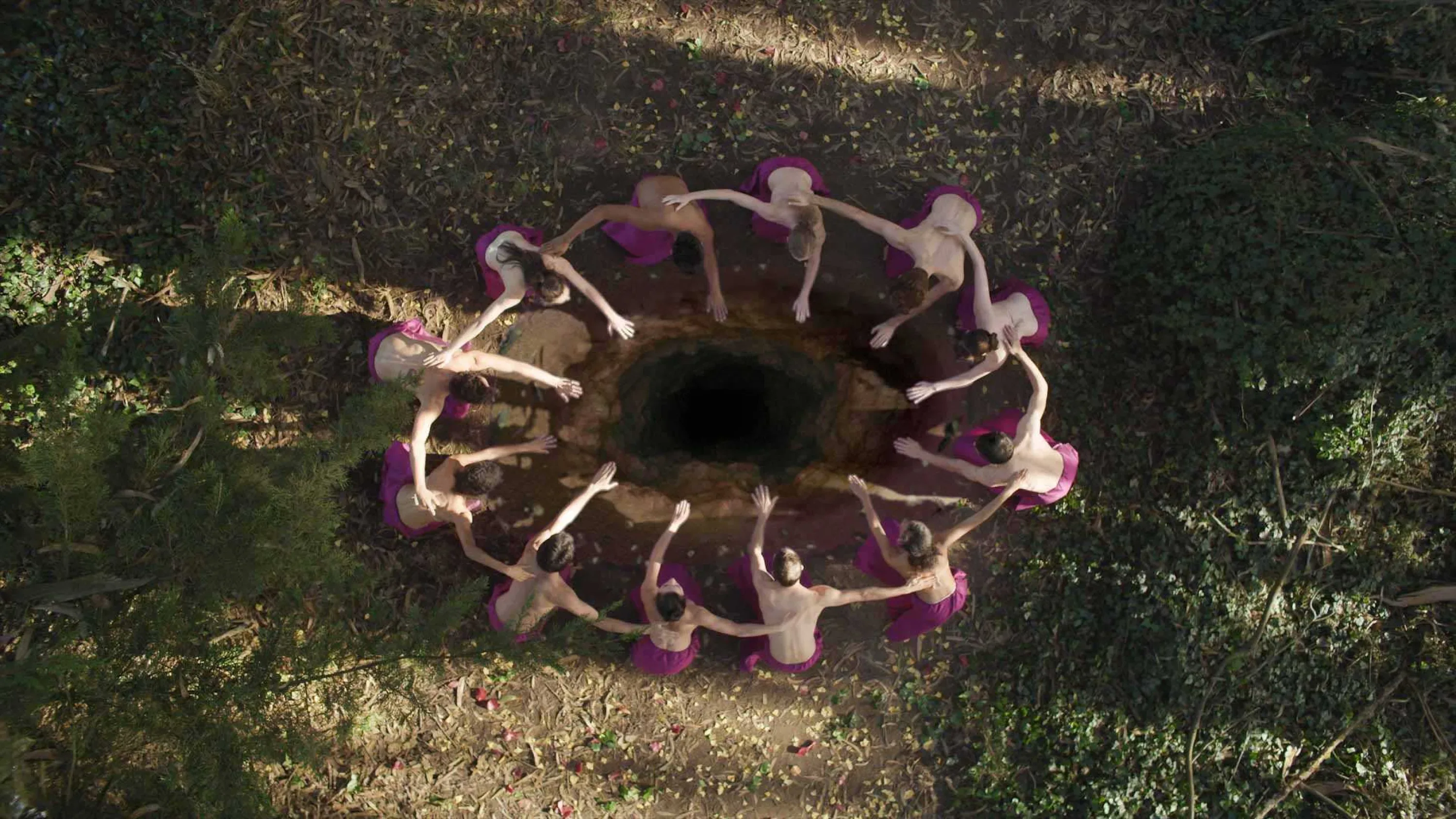

Also in the portfolio
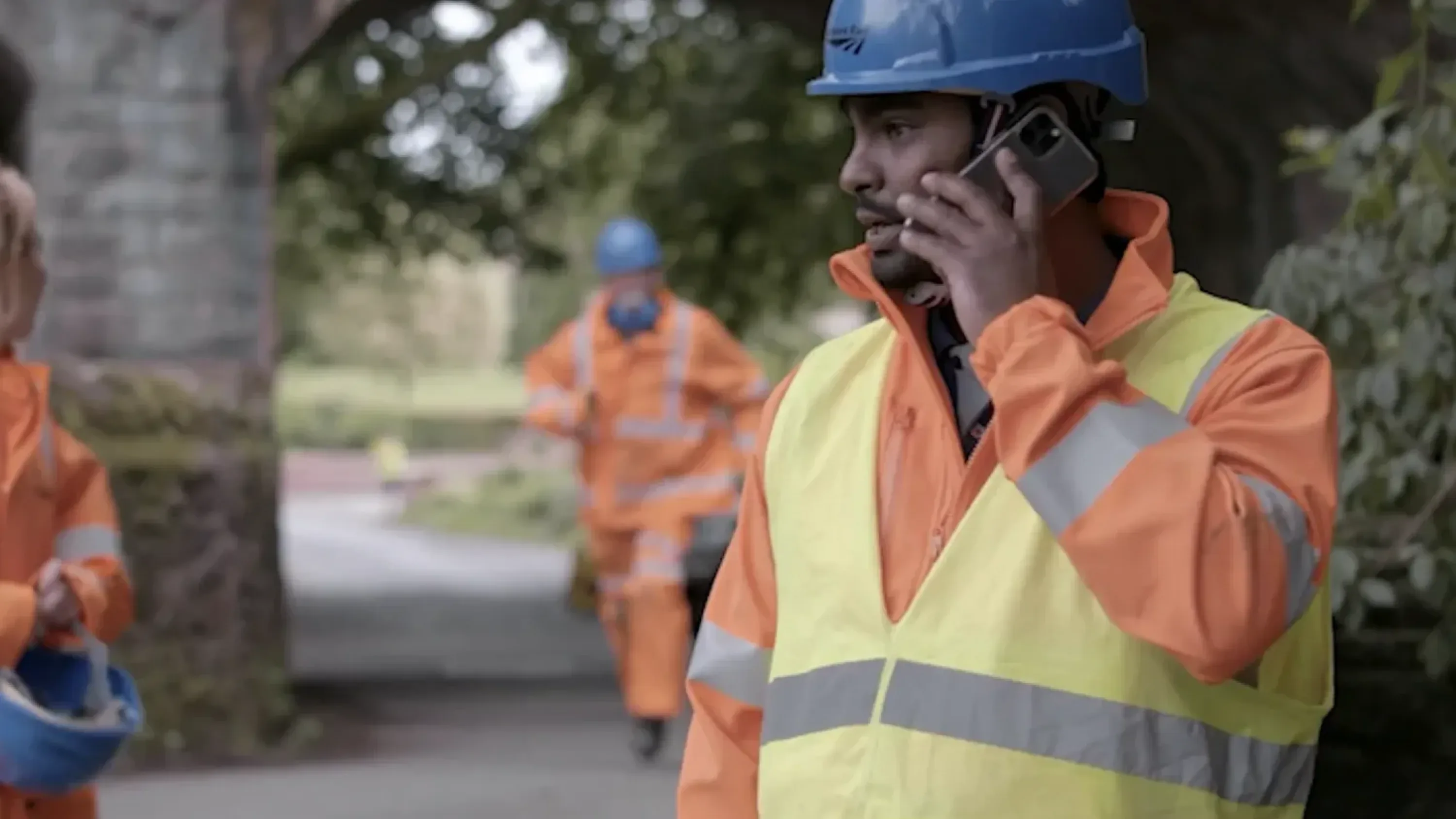
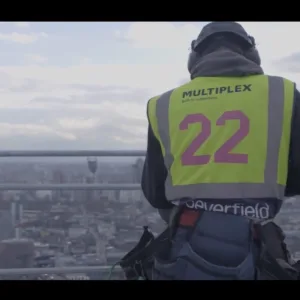
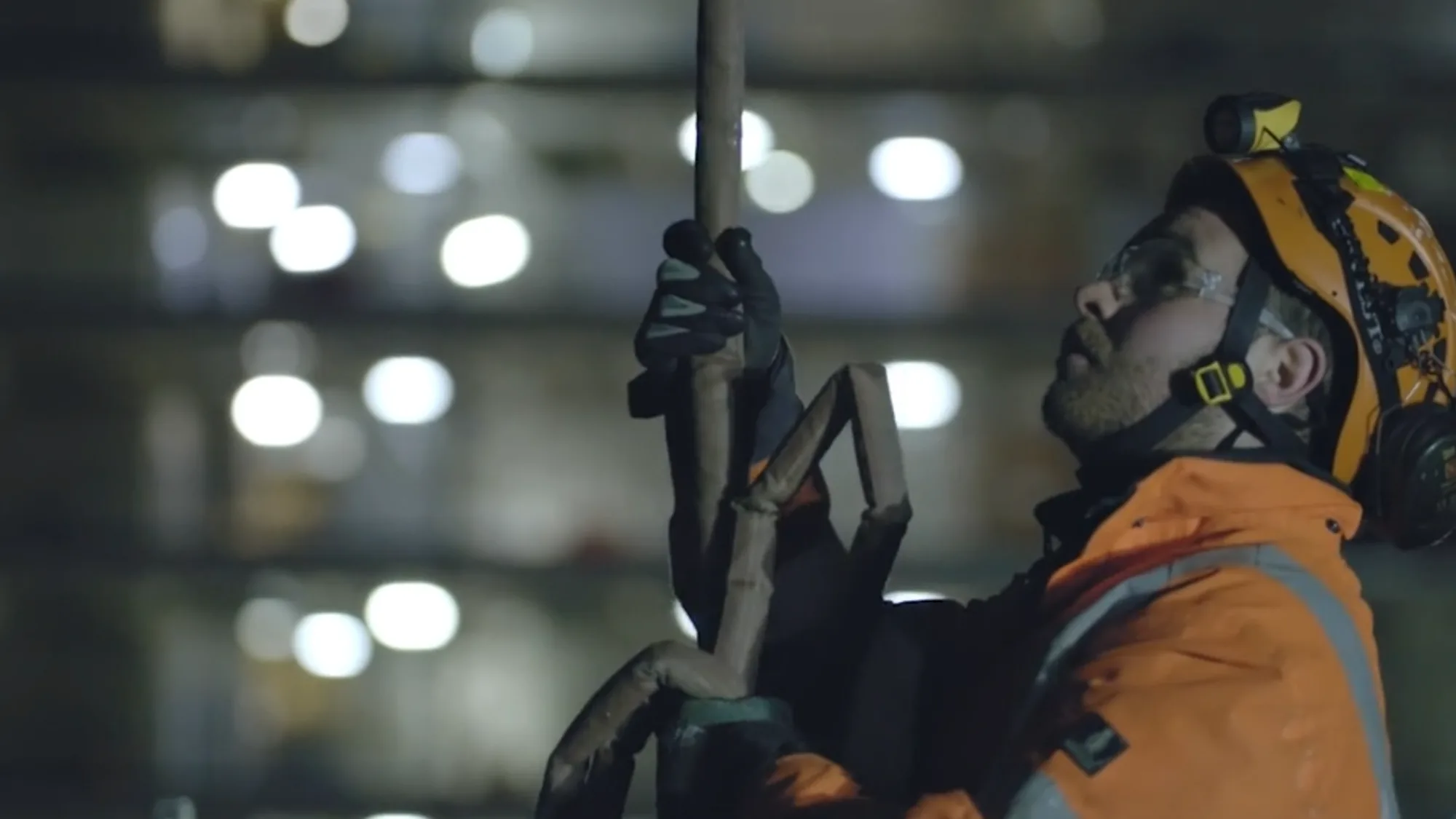
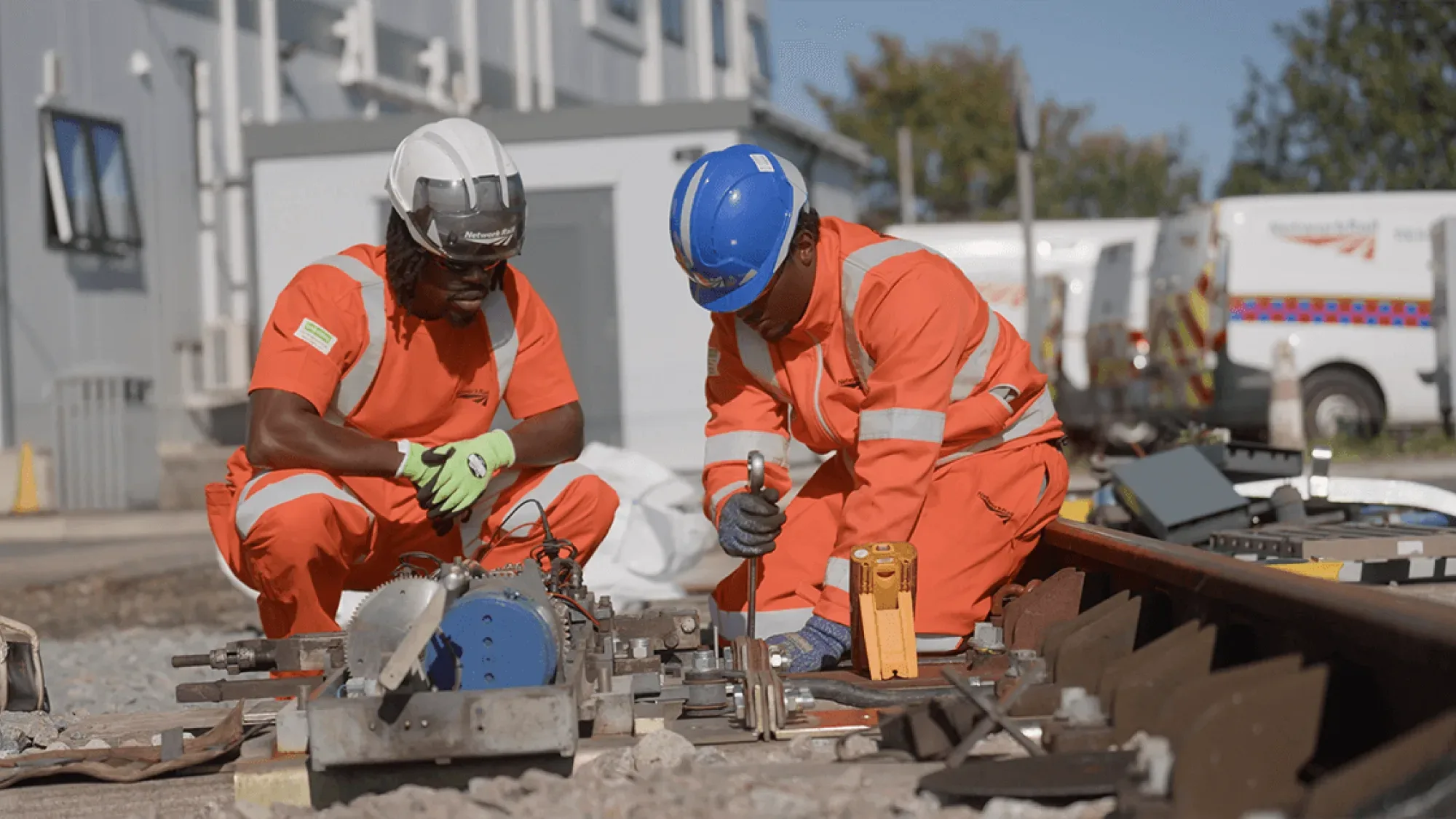
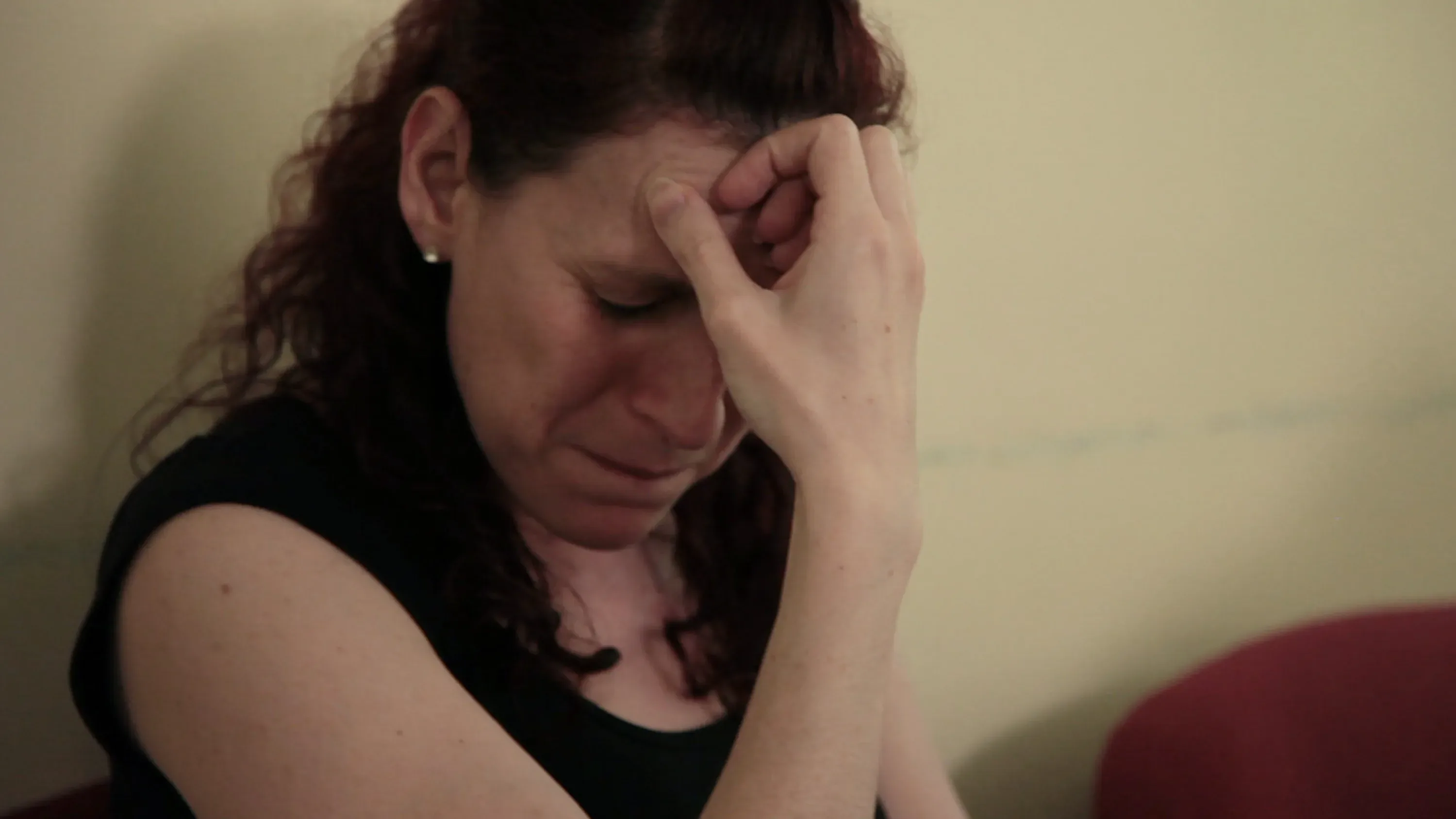
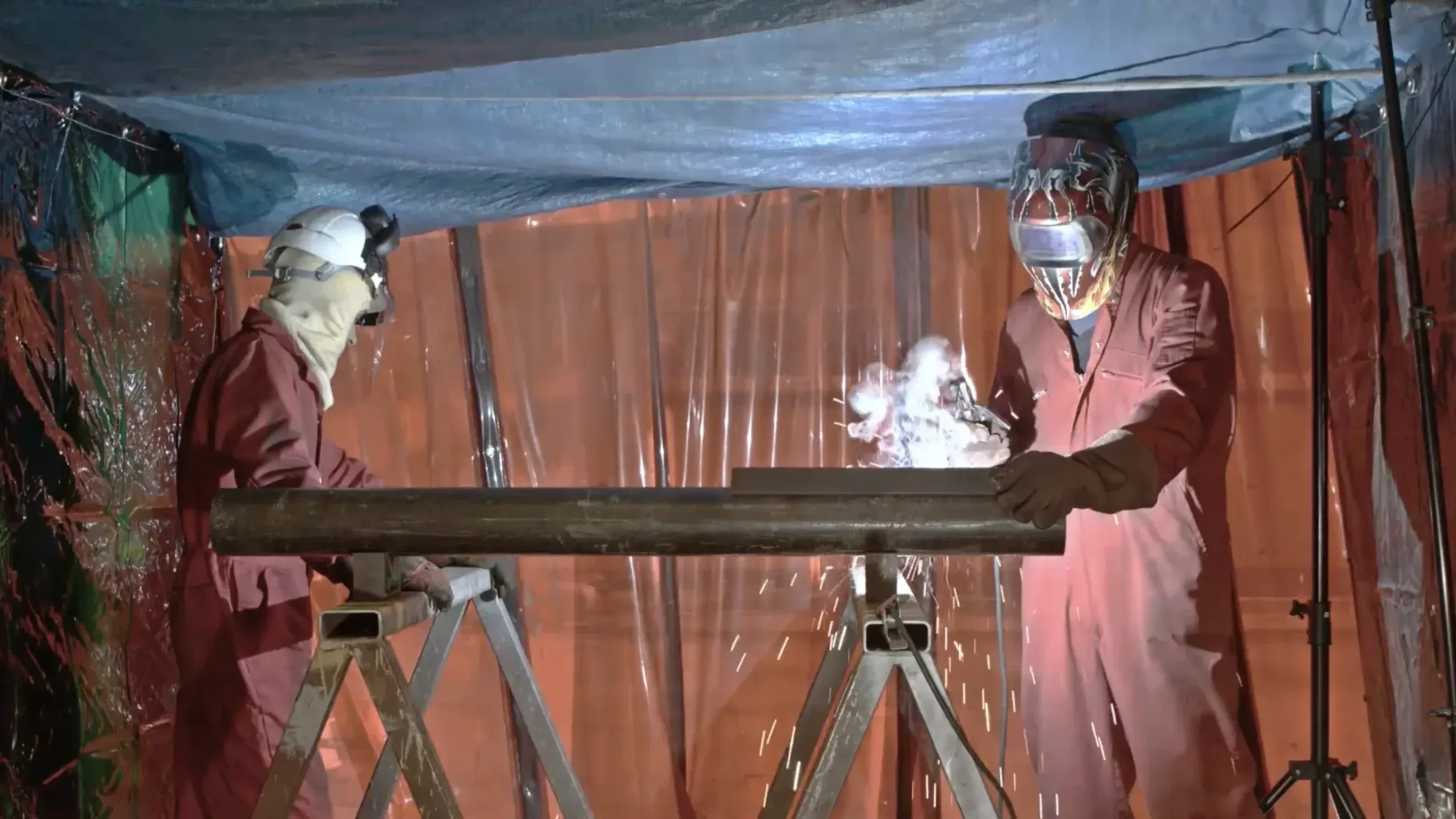
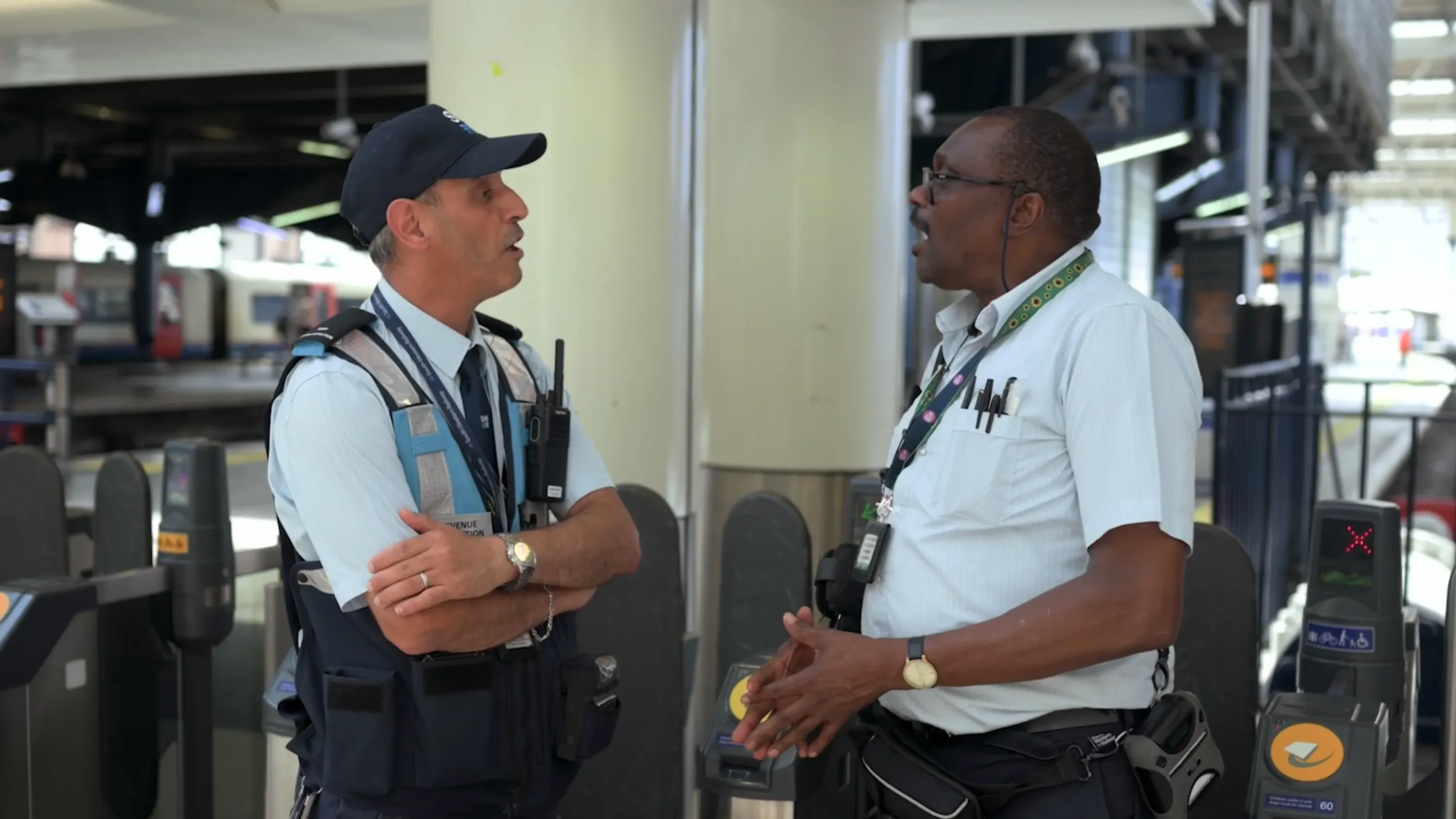
Safety training videos and documentary. Sometimes the real story teaches best. For Severfield, the UK's largest structural steel company, we made Impact: Too Close To Call after a night-shift near-miss in which a steel pylon fell through eighteen floors of an empty high-rise, filming sensitive interviews with people unused to a camera and live steel-erecting on site, to strengthen safety leadership across the business. For Network Rail, the NEET films follow colleagues who came into the railway through the King's Trust, made to persuade senior leaders at Network Rail, GBR and Siemens of the value of a workforce that looks like its passengers.
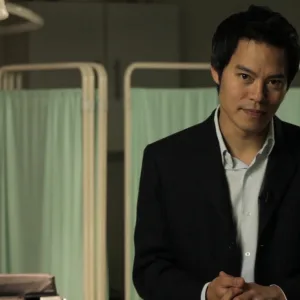
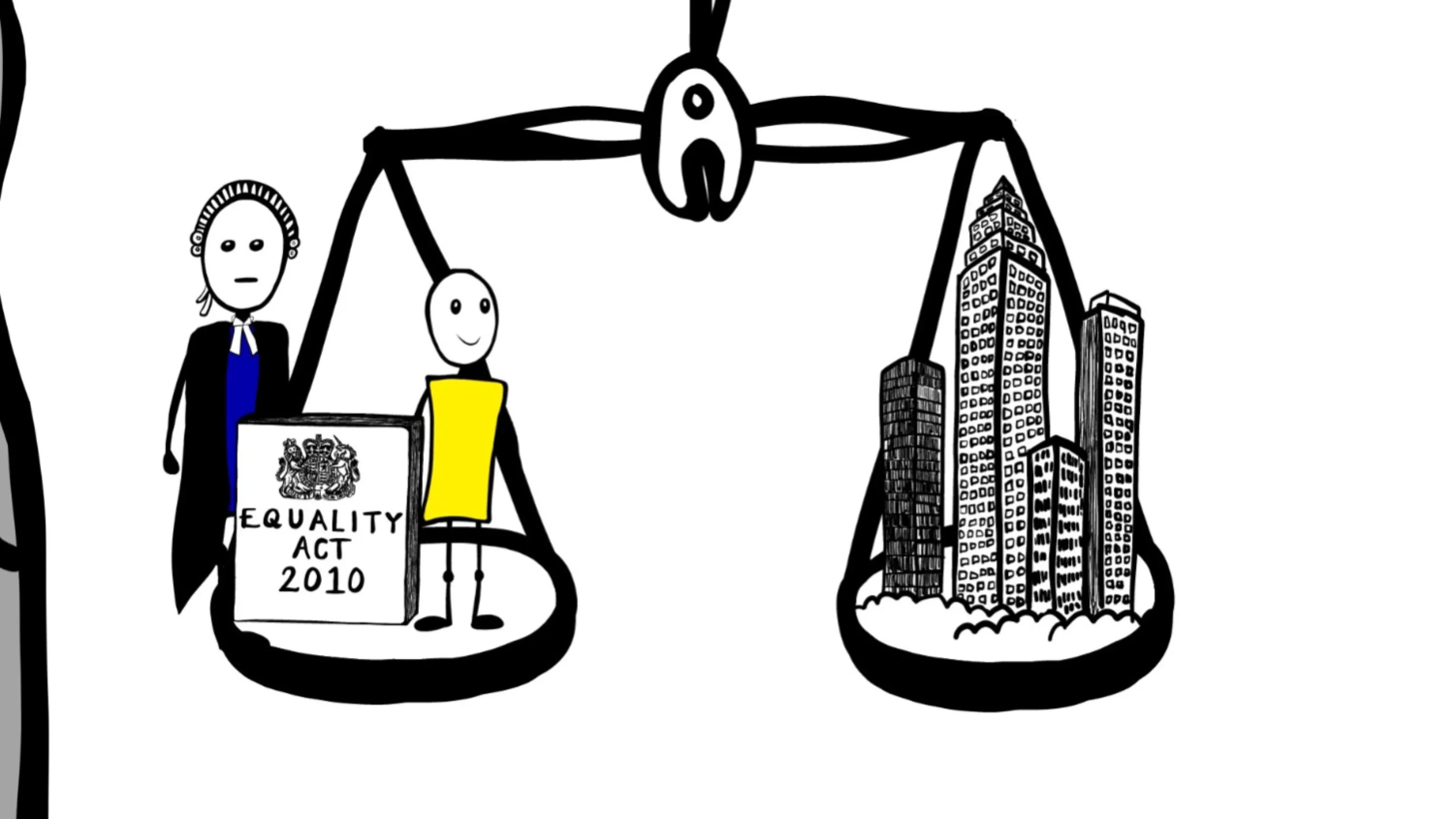
Bringing expert work to life. Films that turn research, guidance or legislation into something an audience can act on: Back to Basics for NHS West Midlands turned clinical guidance into resources used across the trust; Disability Talking, made with Cardiff Business School and DrummerTV, brings disability legislation to life for employers and employees; Bristol Ready does a similar job for new students.
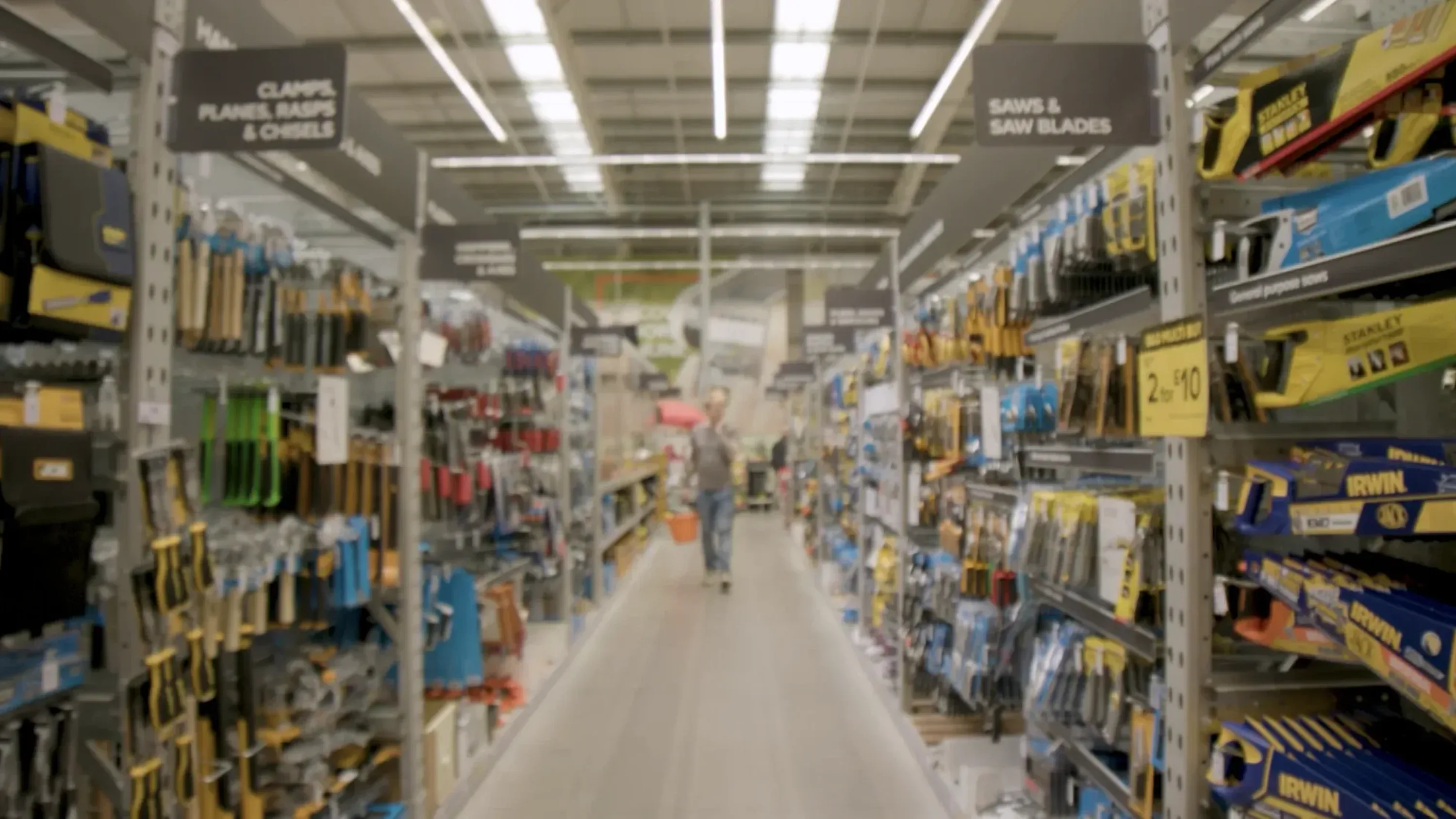
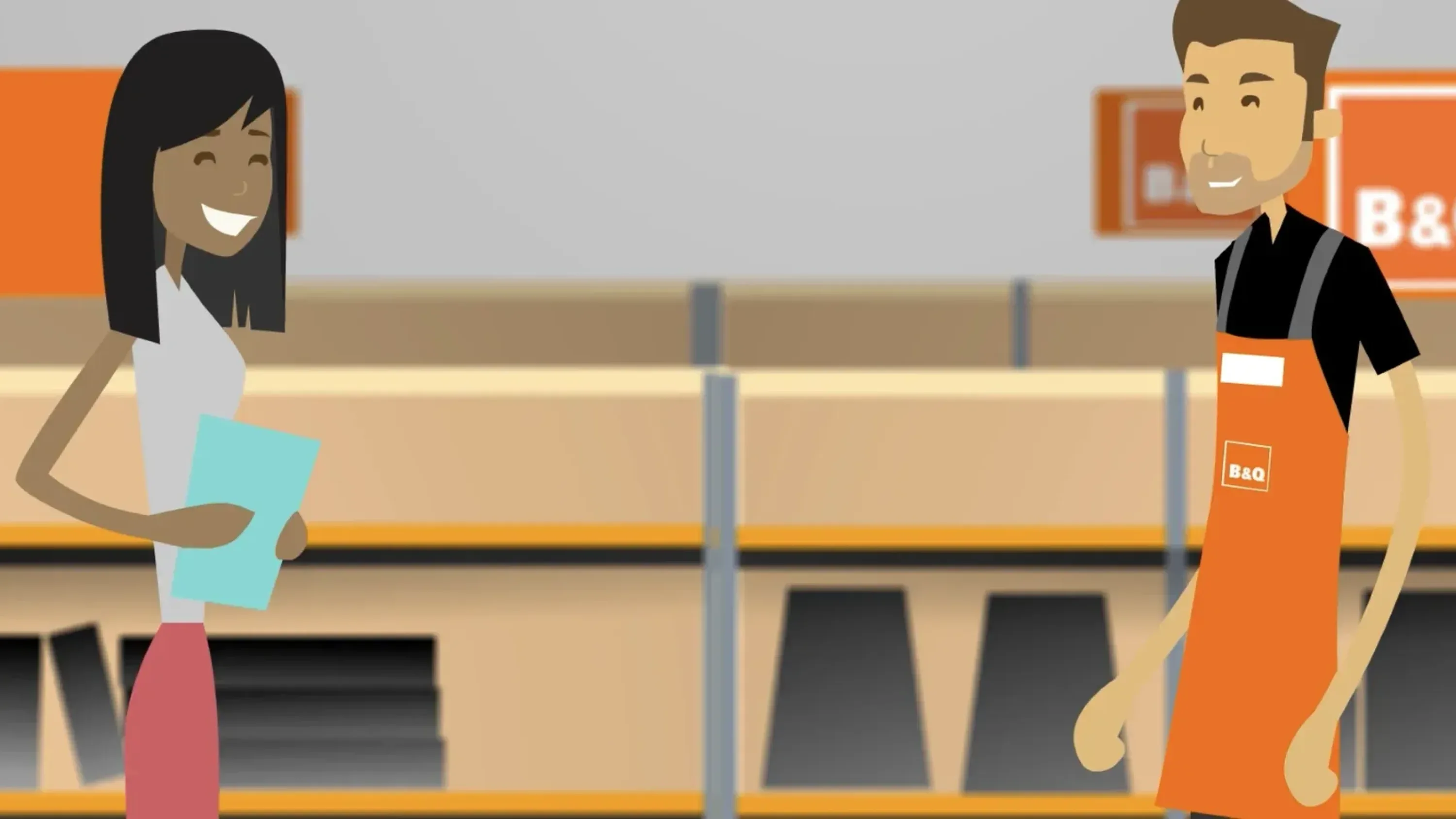
Induction videos, role and apprenticeship films. Practical films that show a job done well, such as the B&Q Department Supervisor films and animation made with Lifetime Training.
Frequently asked questions
Do you work with L&D consultancies and training companies?
Yes, most of the time. We are used to being one part of a programme, working to a consultancy's design, a facilitator's running order or a role-play company's brief, and to making the film fit the workshop rather than the other way round.
Where do you work?
Anywhere in the UK, and further afield when a programme needs it. We are based in Bristol and most of our learning work is national: on site, in your workplace, in courtrooms and on wards, and in our studio when a controlled space is the better choice.
How long should a training video be?
As short as the learning allows. Most single-topic films land between three and eight minutes; a series of short films usually beats one long one, because people finish them and you can update one without remaking the set. Simulations and scenario films are built in segments around the decisions the learner has to make.
How much does it cost to make a training video?
The drivers are the number of shoot days, whether the film needs actors, how much animation or interactive design it involves, and how many versions you need. A single presenter-led module and a scripted drama series are very different jobs. Tell us the audience, the outcome and the platform and we will recommend an approach and a budget for it.
Do you write the script?
Yes, with your subject experts. We can also work from a script, a case study or a storyboard you already have.
Will it work on our learning platform?
Yes. We deliver in the formats your platform needs, with chaptering, captions, transcripts and separate versions where required, and we can supply files for SCORM-based systems and internal video platforms. For simulations we can build the platform itself.
Do you make accessible versions?
Subtitles and transcripts come as standard. We can produce audio-described versions, BSL versions and alternative-language versions.
Tell us about the people you need to reach and what they need to learn. See also animation and motion graphics and all the films we make.
Got a film in mind?
Tell us what you want to make. A few quick questions, or attach a brief, and we’ll come back to you quickly, usually the same or next working day.