
Disability Talking
A film to help employees and employers manage disability in the workplace.
Impactful EDI Animation for Disability Awareness in the Workplace
Cardiff Business School pioneers work looking at disability in the workplace, working with government and employers to ensure that the legislation is both effective and understood. This film brings to life current legislation helping the audience to understand the impact of best and worst practices on both employers and employees. It has been used widely as part of both live events and independently. If you are interested in finding out more about the university's work in this area, follow this link to contact Professor Victoria Wass, or talk to us and we will put you in touch. This film was a co-production with our friends at DrummerTV.
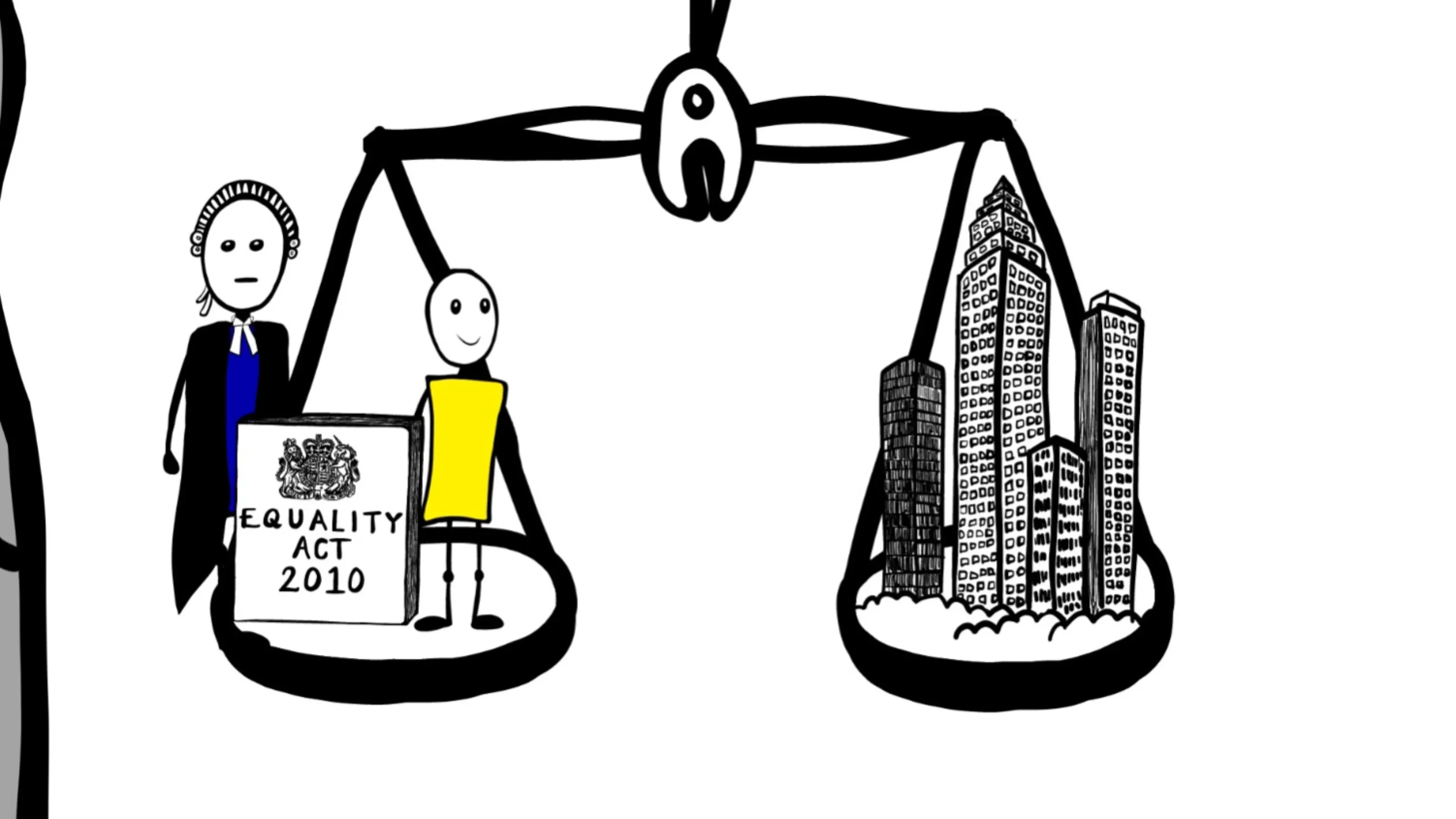
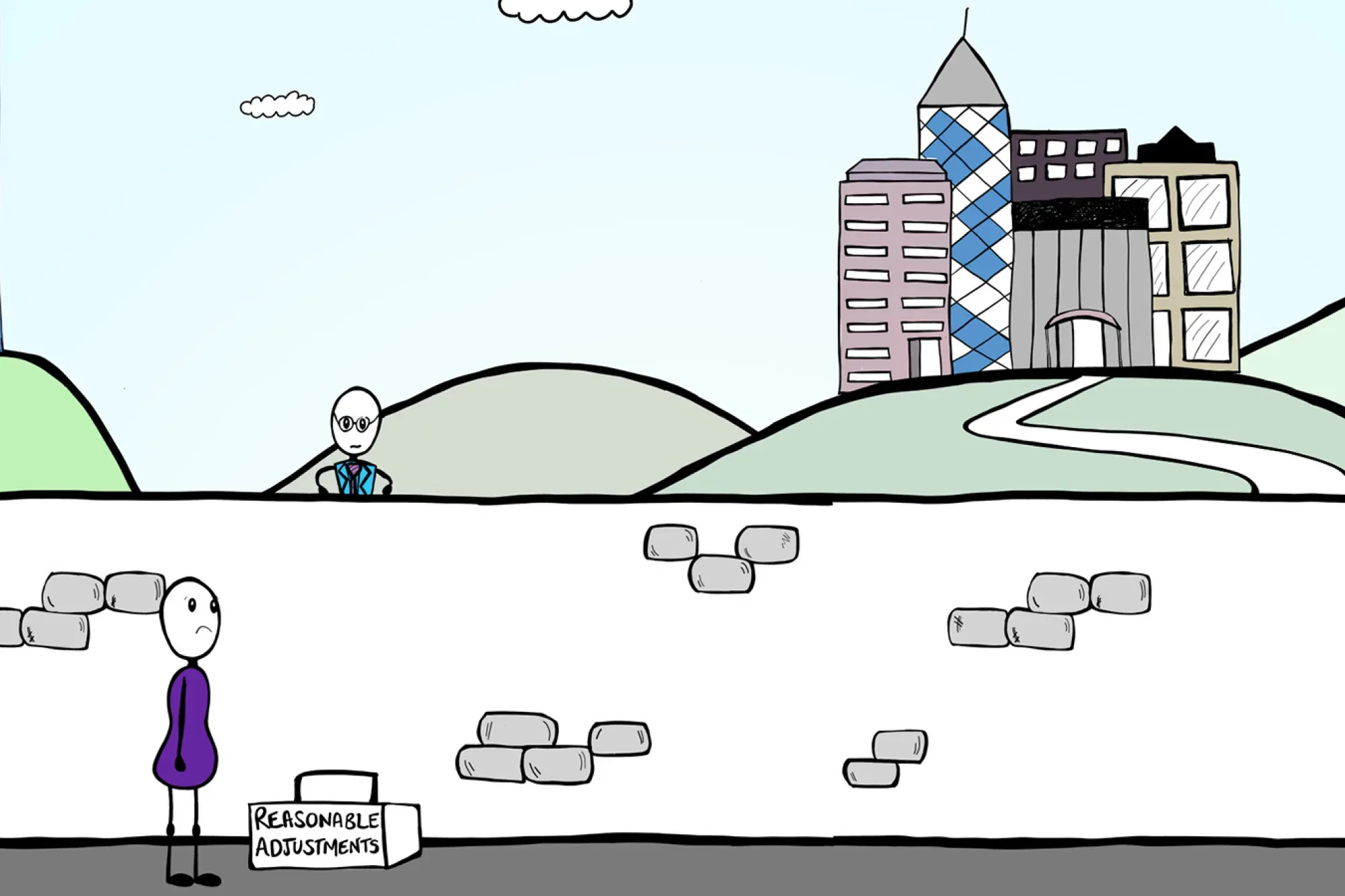
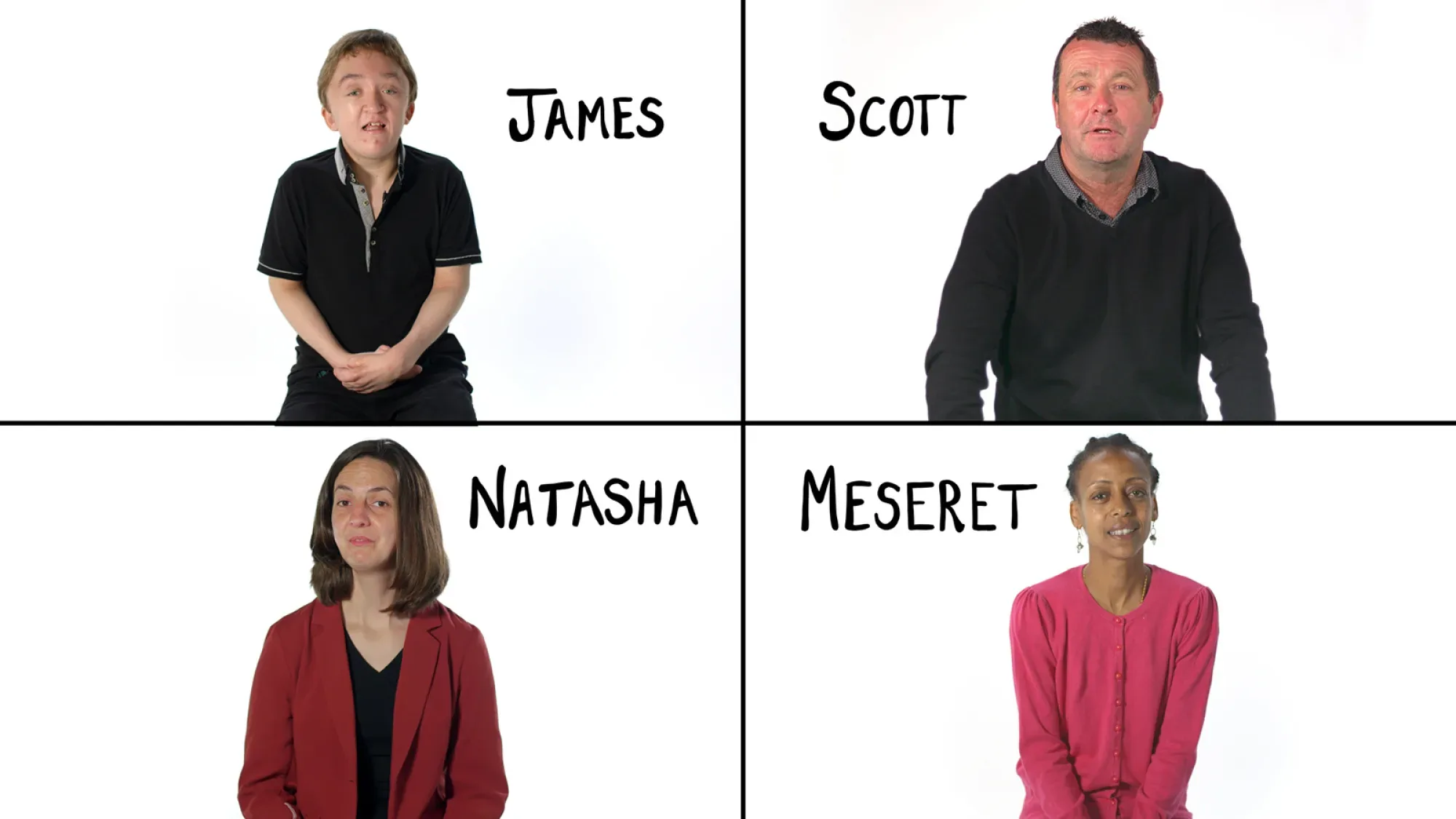
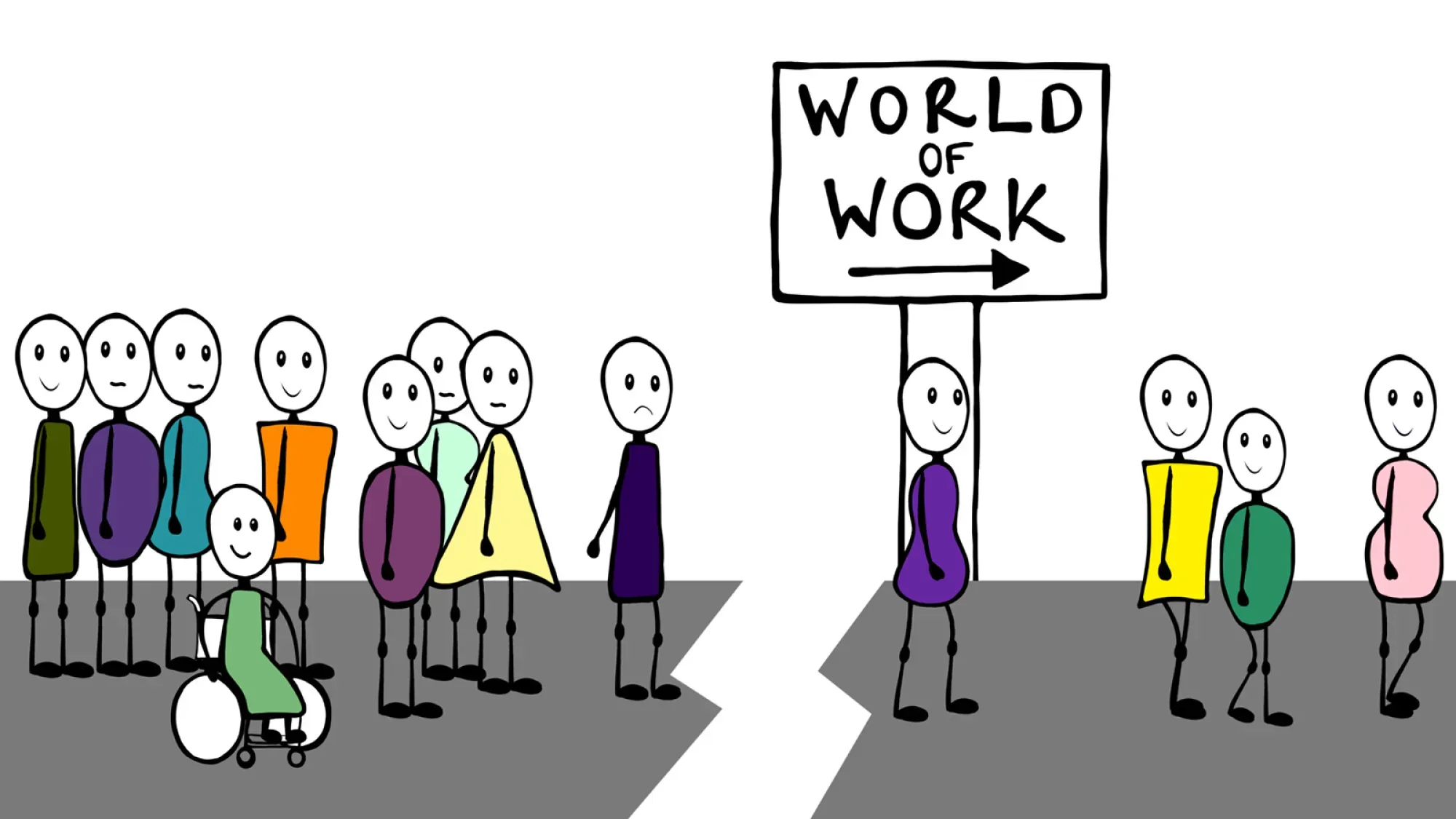
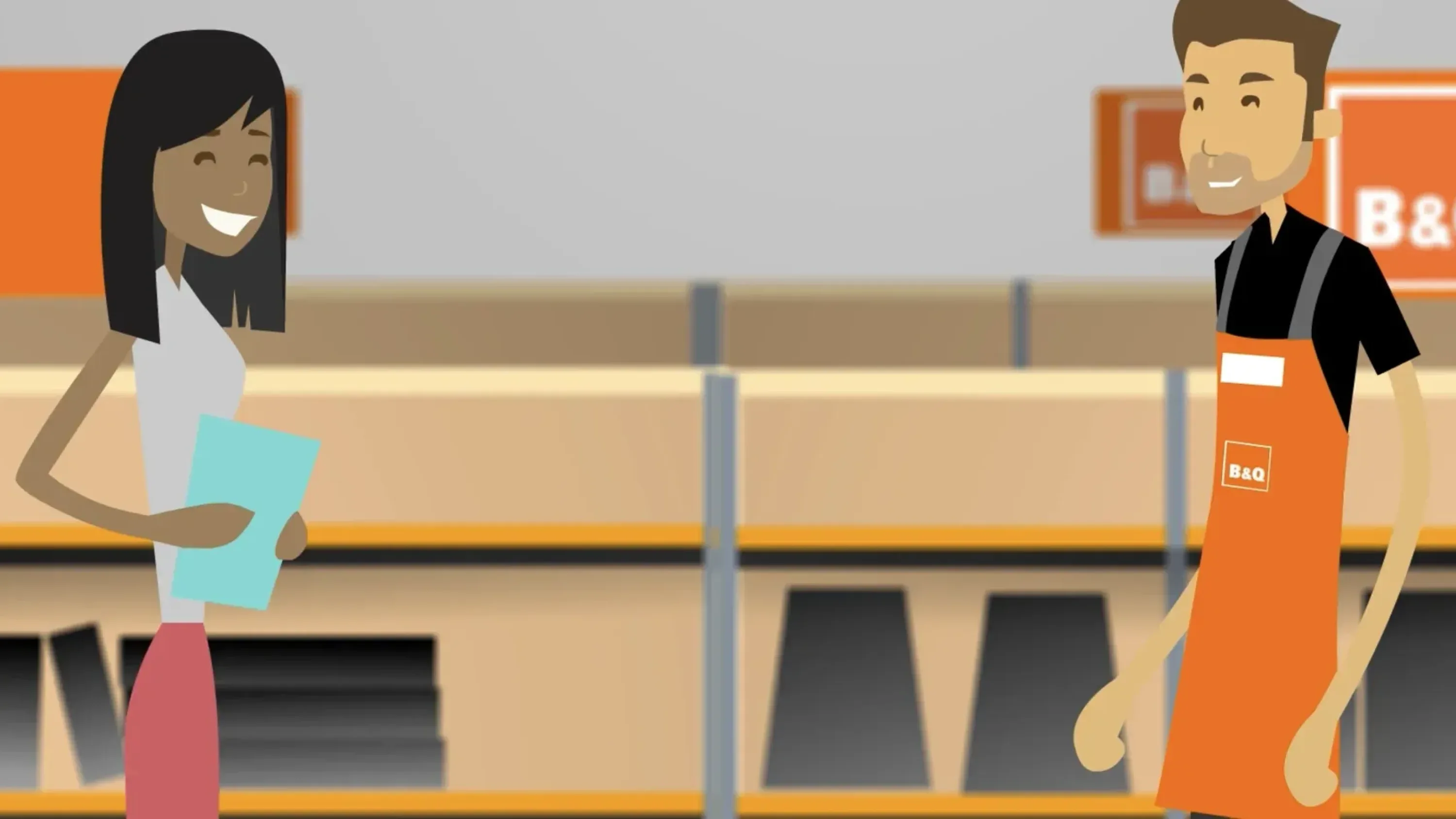
The school wanted a clear narrative on adjustments: the law, the enabler, and where expert input is needed. Contributors told their own stories in their own words, with a deliberate mix of gender and of hidden and visible disability, and we combined the interviews with hand-drawn animation to explain the legislation and the statistics behind it. The finished film moved people within the university, including the Dean, and Cardiff University's own film unit asked for a copy to put on the university's channels.
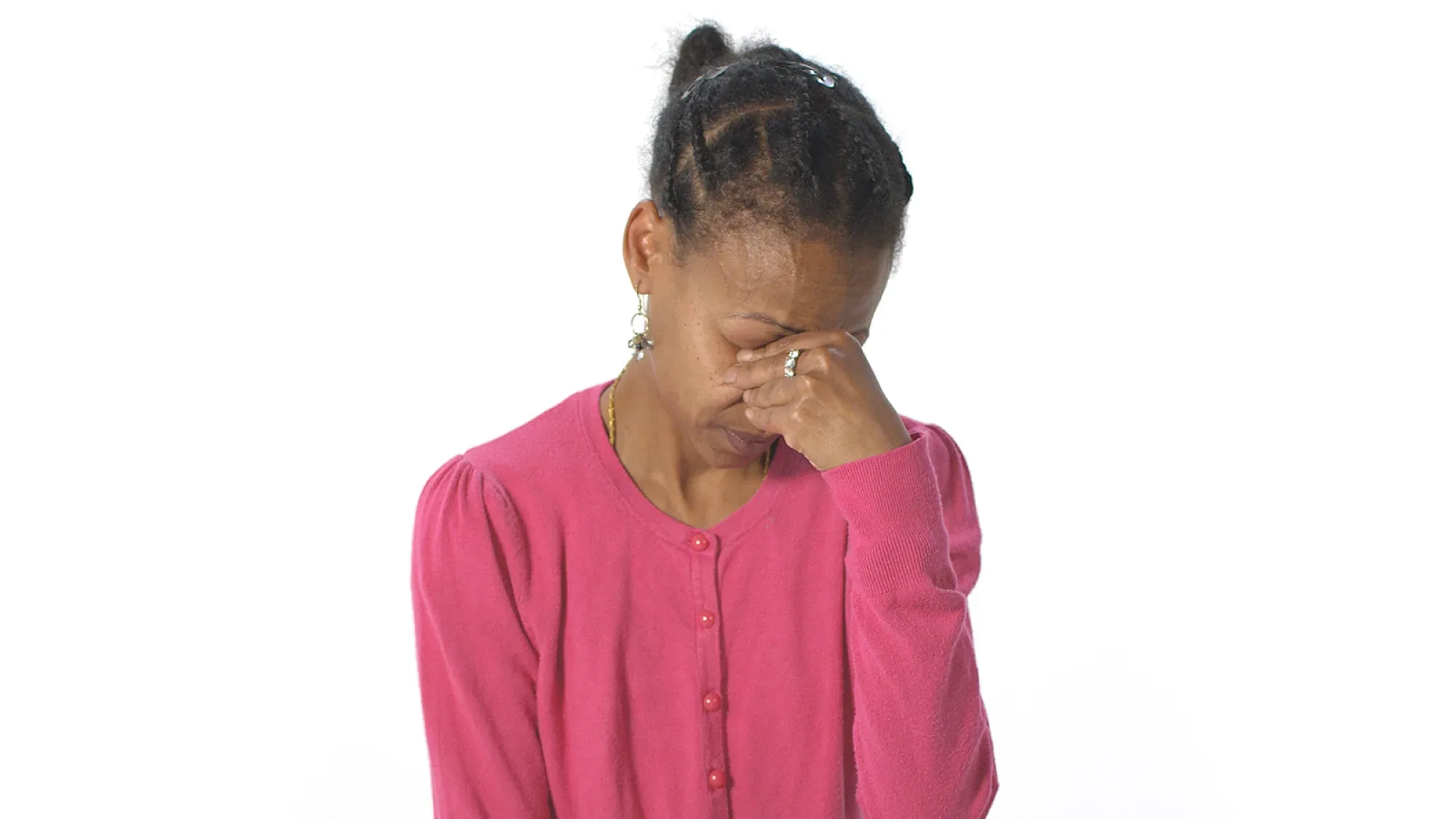
The interviews are very powerful. They are good quality and the white background works well.


This film is part of our animation and motion graphics and training and learning film work. See all the films we make.
Read the transcript
My name is James. Hi, I'm Scott. I'm Natasha. My name is Maserad.
I work at the IZWACU Bath, and I have a car parking attendant. I'm 54 years old, and I work as a road builder with the local authority. I have a PhD in physical chemistry, and I'm now a self-employed photographer. I work in a coffee shop.
I have been a supervisor for 13 years, or 12 and a half years. I like relaxing, playing football, and just hanging out with my friends. I like general stuff, like going to the pub and spending time with family. I have beautiful children, two children, and I like helping people.
I love cycling, I love climbing, and I'm just generally getting the most out of life. My job gives me something to get up for in the morning, something to aim at, and it's just a purpose in life. I love my job. I meet nice people every day.
I've made friends with lots of people around the hospital. Work gives me fulfillment, pleasure, I get paid. I belong in the society, so I have input in working, and I interact with people. In the UK, 17% of the working age population is disabled.
That's 17% of your co-workers, customers, and the people that you meet in the street. My condition is Apert syndrome. When I was born, my hands and feet were fused together, and my face looked different. I was diagnosed about two years ago with myeloma, which is a blood and bone cancer, which has left me with a slight impediment in my shoulder and arm.
I'm profoundly deaf. I was born deaf, and I had a cochlear implant two years ago. I have a disability of dyslexia. Discrimination against disabled people is against the law.
However, the statistical picture of disability is one of deep disadvantage. This means that disabled people are more than twice as likely as non-disabled people to be without work. The disability employment gap is large and enduring. There are challenges and barriers, as well as sources of support when managing disability at work.
Things often go wrong when a person's job description changes, when assumptions are made about a person's ability, or when reasonable adjustments aren't made. I graduated with a first in chemistry and then decided to move on to doing a PhD. But the access issues were just huge. I was being sent on training courses without any reasonable adjustments.
I couldn't keep up with the training, and I failed a key course. I also became increasingly socially isolated. There were really simple things that they could have done to improve access for me. Basic stuff like having handouts available, reducing the noise of the environment we were working in.
Ideally, I'd have had speech-to-text support as well to help me keep up. I knew that with the poor attitudes against me and the lack of access, I couldn't have the academic career that I wanted to have. I worked for six years, full-time. I had two great jobs.
But the problem started for me when I was made redundant. I was applying for new jobs, not being shortlisted or not being offered jobs that I knew I could easily do. And the feedback that I was getting from employers indicated to me that they thought that I wouldn't be able to manage people or deal with being on call. And I think they really underestimated my abilities just because I'm deaf.
Disabled people often develop their own strategies for working around barriers. I made the decision to become self-employed. I get to control how I work, who I work with, where I work. And if I don't like somebody's attitude towards my deafness, I don't ever have to work with them again.
When I was coming up to the end of school, I didn't know what was going to be on my horizon. Work sounded interesting, but with someone with my disability, we don't get off at work straight out like that. I found it was how people's first impressions of me when they first met me, that they would say, oh, he's disabled. He can't do this.
He can't do that. Someone at school told me about Project Search. Project Search is a scheme where people with disabilities like mine can learn new skills and find work. The challenges at work are I can't hold everything in my hands, so I have a satchel which I keep on my side.
Me and my job coach Jackie thought it was a great idea to have it, to put my radio, my phone and the parking ticket wallets in so that I could be all there with me. I didn't have to hold everything in my hands. There are examples where employers understand their legal duty to make reasonable adjustments, and they work with employees to overcome workplace barriers. When I'd completed my treatment for cancer, I asked for a meeting with HR with a view to return to work.
I wanted to return to work basically because financially I had to, but mentally I needed it as well. I went into the meeting thinking my job would be available, I would just go back into it, and they quickly said that if I wasn't able to do the job 100%, they would have to think about redeploying me, and she made enough of a cut remark and laughed about my admin skills. When I returned, I would have only been able to do the job about 80%, because of the weakness in my bones and stuff, and the nature of the job involves percussive tools, which I've been advised not to use. When I came out of the meeting with HR, I was feeling pretty depressed, realizing that after 14 years service with hardly any sickness, I was really just a number.
When I was in hospital getting stem cell replacement, Macmillan returned to work services, contacted me, but at that point I thought I wouldn't need them, but I did need them badly. Straight away they took my case up and they contacted HR and Occupational Health and told them that legally, before they could even look at redeployment, they would have to run certain tests on me with a reasonable adjustment for my return to work. When I gave them the report, they were very taken aback and they asked for some time to consider what that contained. Reasonable adjustments can be a complex area, and disabled people each have their own specific needs and abilities.
This can seem overwhelming to an employer. There is external expertise and technology available that can help remove barriers and make the workplace a productive environment for everyone. When I returned for the final meeting after the REDA report, they said they were giving me a phase return to work with a reasonable adjustment to enable me to do the job I'd always done. The policy was introduced is putting a name on the cups.
It was a shock for me because I know my problem, I can't spell. But I gave it a go because I can't say no. My first customer name was Graham, I'll never forget that. And I knew there was G in it, there's T in it, there's H in it, but I don't know how to start it, I don't know where to finish it.
So I've asked and I said, I'm dyslexic, can you please explain, you know, spell your name for me? The answer I was given is, am I stupid? I said, no, no, I'm not stupid, I'm dyslexic. In my job role, I have to take the fridge temperatures and the water tap temperatures and record them in the daily recorded book that we have in the store.
Sometimes because of my disability, I do miss the lines and I misplace things and I could record information wrongly. I made a mistake and I recorded the temperature wrongfully. So I was accused of falsifying the document. If they could do reasonable adjustment, I would be able to fulfill the duty that I'm expected to do and I would have done brilliantly.
Instead of being helped and supported, I felt I was picked on and criticized. It affects your self-esteem. You all think that it questions my existence and there was a point that I didn't want to live anymore. Mezzeret was forced to take an alternative path to get the adjustments that she needed.
For her, this was the legal path. I decided to contact to a lawyer. I present my case. We took it to court and the court decided on my favor.
Melanie Jones and Victoria Wass, professors at Cardiff Business School, investigate and publish research which seeks to identify, monitor and understand disability disadvantage at work. They welcome inquiries and collaborations with interested organizations including policy makers, employers and unions. To access their work, visit www.disabilityatwork.
co.uk
Would you like a film like this? Start a film project