
Bristol Museum
Death: The Human Experience was about the most universal of experiences that we will encounter.
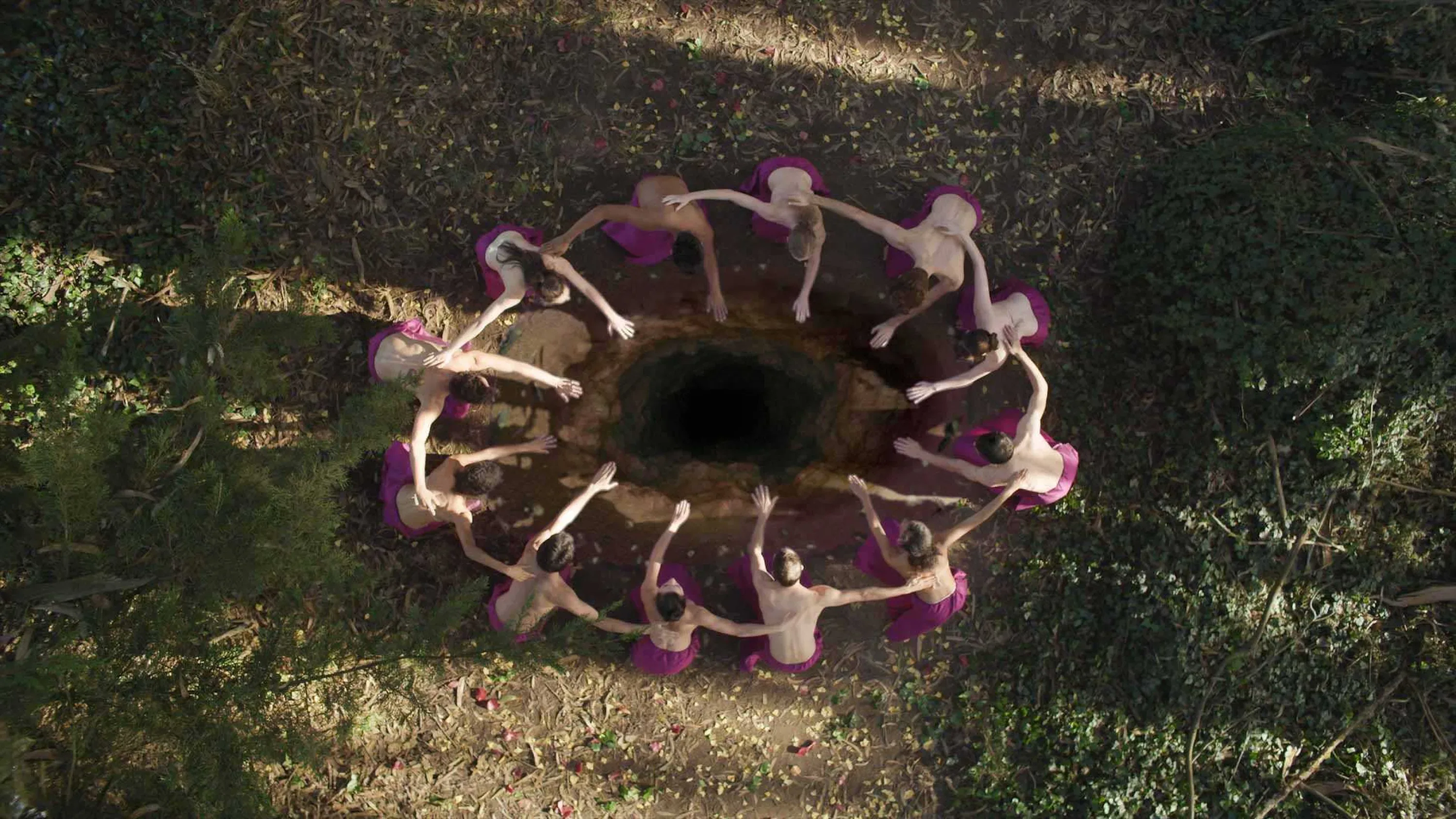
We were delighted to help Bristol Museum with this brave and innovative exhibition, which attracted more than 50,000 visitors, making it the second most popular exhibition in the museum's history, after their Banksy exhibition. We produced 9 integral video assets, ranging from edits of Museum-shot interviews to edits of 'found' footage. We also produced all the subtitling for the films as well as time-lapse video and a series of audio edits for their follow-up exhibition; a recreation of a Dignitas bedroom: death: is it your right to choose?. The example below, from a diverse collection of films, was a film produced for a projector exhibit.
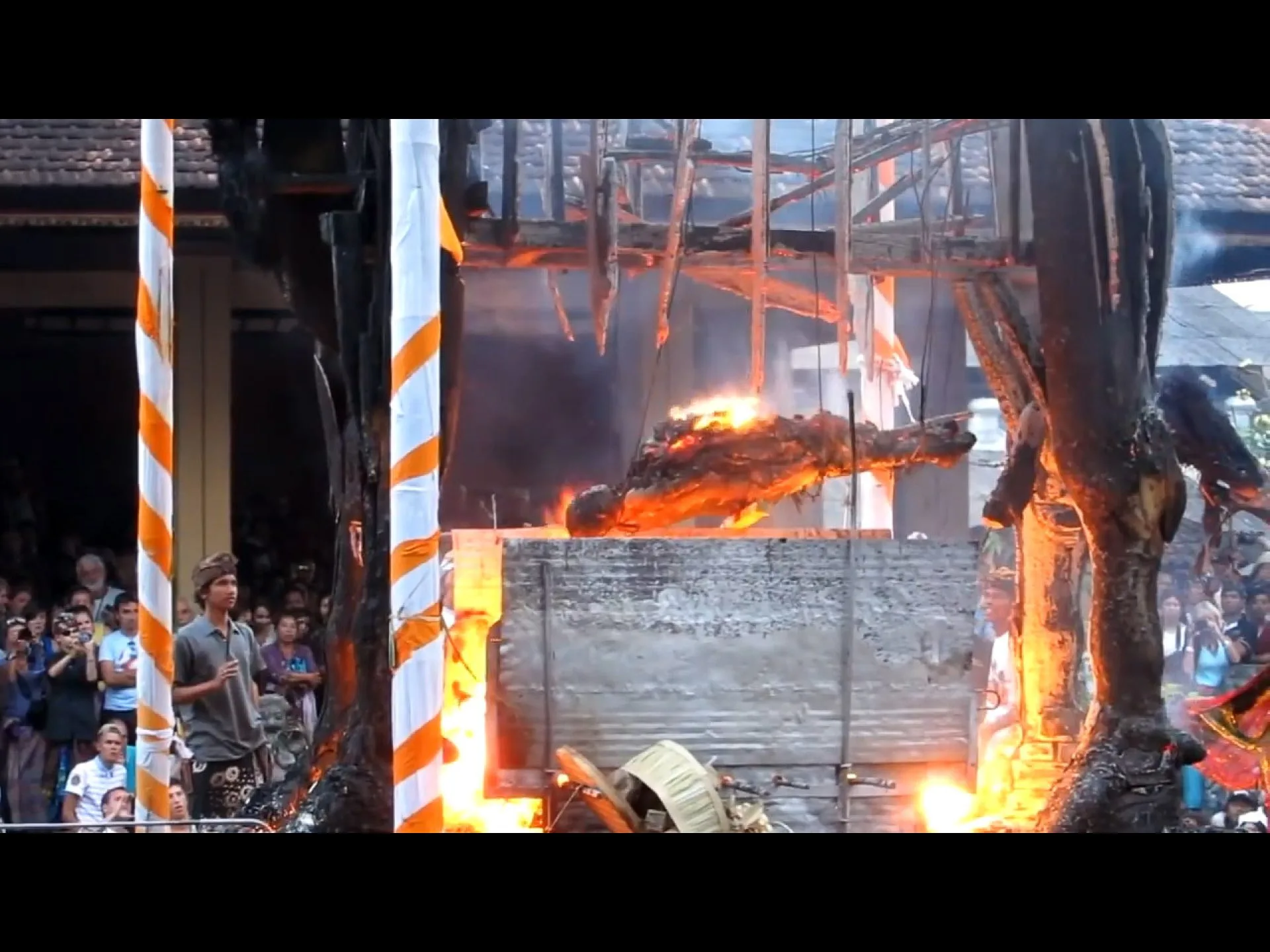
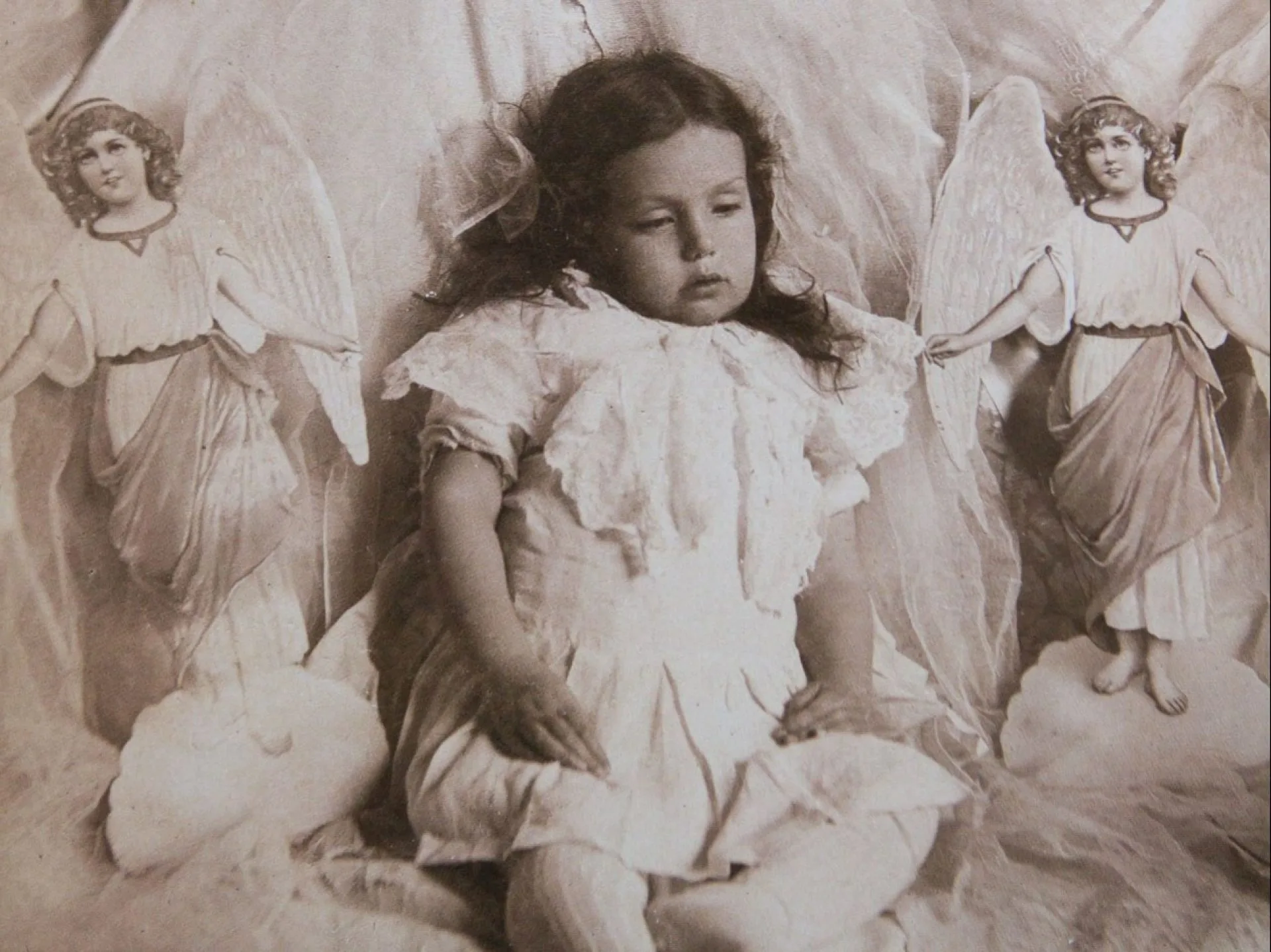
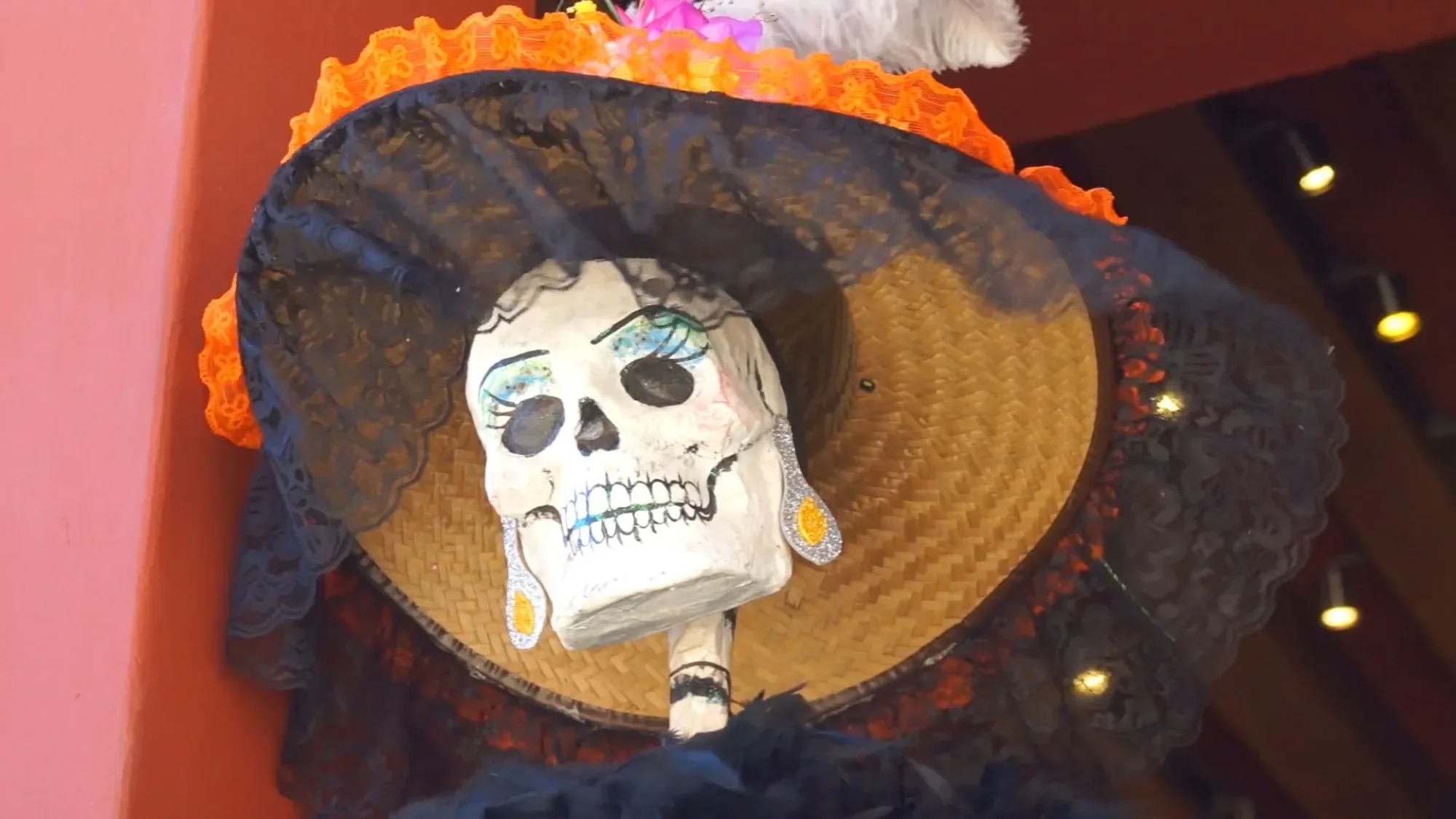
Hundreds of incredibly diverse objects – from a Ghanaian fantasy coffin to a Victorian mourning dress – revealed captivating stories from cultures across the world, from the earliest human societies to the modern day.
The exhibition encouraged visitors to consider ethical issues, different attitudes towards death and how different cultures have dealt with the end of life.
As a society, we are reluctant to talk about death and dying. This exhibition was about helping to start that conversation.
This exhibition has now finished. However, you can see it on Bristol Museum's online collections search.
Winner of ‘Most Innovative Death Public Engagement Event’ at the 2016 Good Funeral Awards.


This film is part of our corporate film work. See all the films we make.
Read the transcript
We mustn't be like children covering our eyes and burying our heads in the sand and hoping it won't happen, because it will happen to all of us. Death means nothing to me because death is the ultimate truth, and you have to die. So the sooner you're prepared for it, the better you'll be. If there's one message around thinking about death and the process of dying, it is that we need to think about it, and we need to talk about it.
What I feel is important is that we are talking about these issues all the time so that through adult life, people are picking up information, planting seeds, going through all those processes of thinking, "Oh, this is what I believe," that we talk about death and dying. We make choices about the rest of our lives all the time, and unless we talk about death and dying and tell others what we want and what we wouldn't want, then we will go towards our deaths not being able to make any choices. Now, these are big conversation topics, and I think what we need is indeed a big conversation. So in the words of the Dying Matters Coalition, "Dying matters.
Let's talk about it." Prolonging life is really playing with your emotion, making you think that you are going to live longer. You don't. You're going to die.
That's the ultimate truth. There's no escape from it. The burdens of what we're doing to people outweigh the likely benefits. And different clinicians view that burden-benefits balance in different ways, and different people view the balance of burdens and benefits differently.
So in fact, what we have to do is talk to people and find out where the balance lies for them and what's right for them. If, say, I was on a machine that somebody has to switch it off or prolong my life for a few weeks or a few months, whatever, I'd rather it'll be switched off, finished. People don't like to think about their own death. Many people haven't even written wills because they don't want to think about those sort of eventualities.
And that's very important. Leaving those sort of decisions until right at the end can make things very difficult for the patient and their families. So I think thinking ahead, allowing medical staff to know what they would want concerning issues such as resuscitation or how much treatment they would want towards the end of life. Sometimes there are clear medical advice on those issues, but for some patients, they may have an opinion which might differ between different patients.
Some patients want much more aggressive treatment to prolong life almost at any cost, while other patients have a different attitude. So I think it's important to let doctors or medical staff looking after patients to try and explore those issues with the patient and gain some clarity on that. I recently walked the journey with somebody from preparing an advance directive to being in a position of enacting it. And that particular journey, I know it isn't the same for everybody, but that journey of consideration, debate, information, and then enactment felt like a gift.
To be part of it felt like a gift to that person that they could live their lives contentedly until they died. So this is where the value of choice comes from. We think that people deciding what happens in their own lives is an important thing, so we want to respect people's choices. But of course, if people are going to appropriately self-rule, there are certain things they need.
The first thing they need is information. The second, according to the lawyers using their language, is what's been called mental capacity. So the ability to think through, to reason through the options, and then arrive at a decision, arrive at a choice. And the third thing that seems to be important if we are genuinely to self-rule is that we do focus on the self.
So we do not want there to be pressure from someone else such that we're not self-ruling but rather following the rules set by someone else. I think the role of medical professionals in somebody's death, there are many roles. The first and most important one actually is being open and honest with the person about the fact that it's approaching. And that's where we are probably still lacking in many situations so that people approach their death and others know that that's likely, but the person themselves doesn't.
So the first thing we have to do is, one, recognise it, that it's probably approaching. Two, be brave enough to talk to the person about that. And these are brave conversations. They are not easy conversations to have.
For most of us, we do slip away in a bed somewhere, and for most of us, that should not be distressing. The Parliamentary Ombudsman has just released a report which says that that isn't the case for a lot of people and that for many people, end-of-life care could be improved. But there's a huge amount of work going on in that area to try to improve the end-of-life experience for most people in this country. The role of the hospice is to see patients and their families who've got a condition that can't be cured, and they're having particular issues which might be about physical, psychological, social, or spiritual things.
And it's an approach where it's very person-centred, trying to focus on what the individual's concerns and needs are, and then using the whole of the hospice team and professionals and services to try and help that person to manage, improve their symptoms, or help them to deal with their concerns. So that might involve a nurse specialist visiting them at home to give advice and support, including the family, or it might be coming into the inpatient unit to get on top of symptoms, or it may be going to our day hospice where people can have a lot of support, manage their symptoms, and also have a bit of diversion as well, a therapy in that way, helping them to cope with their illness, or have input from our physiotherapist, occupational therapist, or complementary therapists. Well, the most important thing about end-of-life choices is actually giving people the choice that they want. At the moment, there's a substantial number of people who do not have the choice that they want.
They have to continue a life they no longer want to lead. So the most important end-of-life choice is the choice to say, "Actually, enough is enough. I'm in a situation where I am suffering intolerably." Intolerably by my judgment.
Who else can judge what is intolerable suffering but the person who is suffering it? If somebody is in that situation, then the end-of-life choice that they want is to have assistance to give them a quick and easy exit, and that's the choice that those people should have. That's the end-of-life choice that matters. In terms of my own position on assisted dying, I think there are arguments on both sides that are strong.
So the supporters refer to the importance of choice and removing suffering. Opponents refer to the value of life and looking to avoid embarking on dangerous slippery slopes. I myself think there is something in both sets of arguments. In other words, we should start to look at the issues in terms of the middle ground.
We should start to recognise that this is not wholly right or wholly wrong, but rather there might be degrees of moral rightness, moral wrongness. I may not be suffering in real terms, but my family, friends, everybody has emotional rollercoaster. You don't want to do that. But on the other hand, getting somebody to kill you, we don't believe in that.
That means you're actually putting your sin on somebody else. Somebody else is committing a murder to you, so they have to pay for it. Well, there are other things that matter, obviously being kept out of pain, but it's not always possible to do that. Physical pain, yes, okay, palliative care is very good, but emotional pain, that's a much harder one for anybody to deal with.
And end-of-life choices in the sense of people not wanting to be a burden. I don't want to be a burden to my children. I don't want them to have to spend their time, energy, and their middle life looking after me when I can't look after myself.
Would you like a film like this? Start a film project