
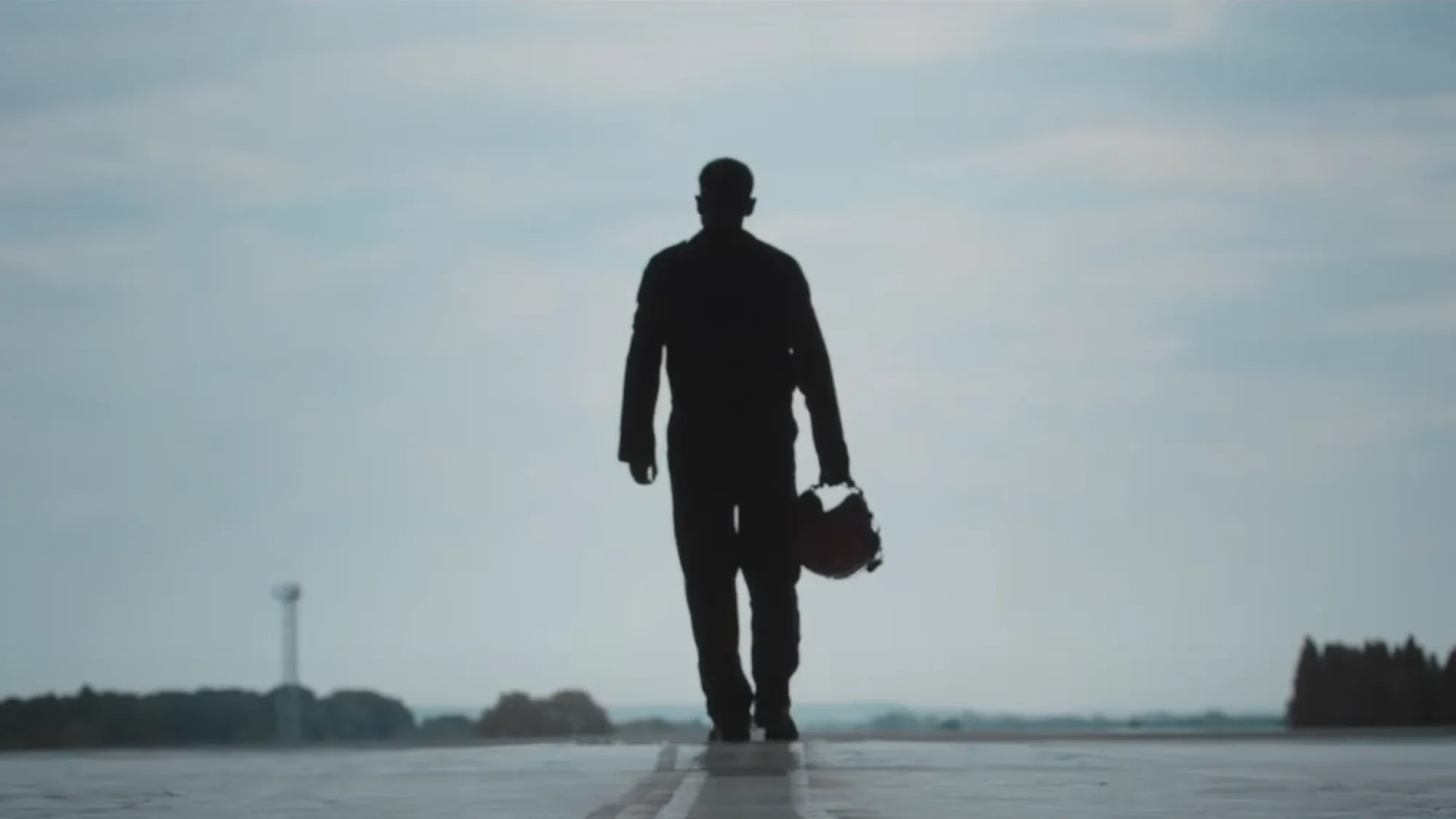

Emission Impossible
This is a race. A race against an existential threat.
Engineering the Future: Zero-Emission Flight with Emission Impossible
This is a race between climate change and ZeroAvia, a maverick tech start-up in a sleepy, picturesque part of the West of England.
With time running out before we reach global tipping points, aviation is one of the only large carbon emitters with no proven Plan B.
In this film we meet the global team of specialist engineers creating a sustainable alternative to fossil fuel powered commercial flight. Fast. What drives them, what are the challenges and will they achieve Emission Impossible?
A Call for Bold Solutions
The film’s core message is that bold leadership and radical solutions are vital to confronting the climate crisis. Through stunning visuals of ZeroAvia’s hydrogen-electric flight and insightful interviews with key figures, we see how engineering innovation is driving immediate action in aviation, one of the most challenging sectors to decarbonise.
Support and Global Reach
With generous support from Hotdocs and SAP as part of the Roads to Regeneration series, Emission Impossible has been screened at major global events, including Hotdocs International Documentary Film Festival and the World Economic Forum in Davos. We are immensely grateful to ZeroAvia for their access, support, and collaboration in bringing this film to life.
Tackling Aviation’s Carbon Challenge
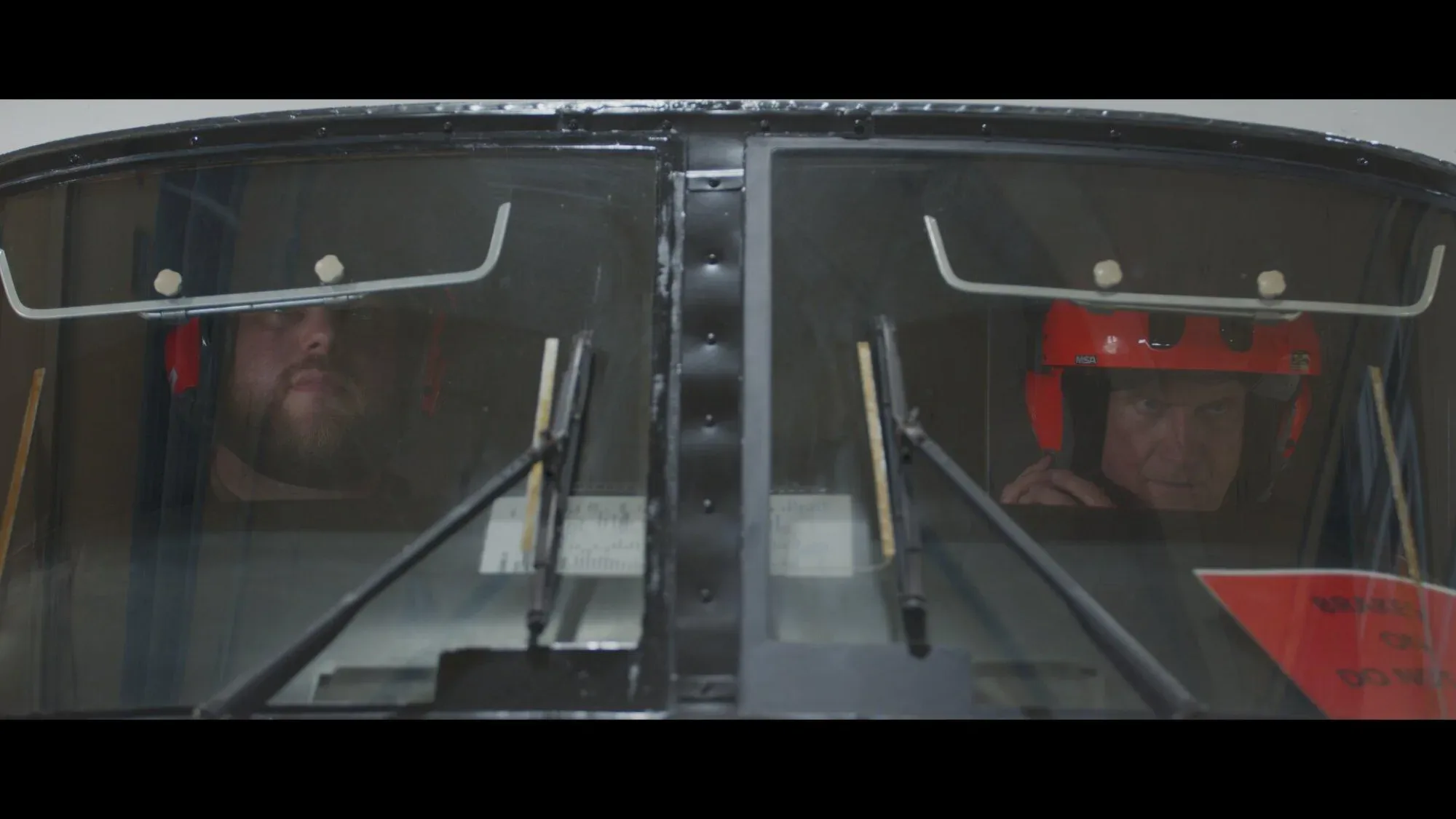
Emission Impossible addresses one of the most pressing climate issues, decarbonising aviation. The film follows ZeroAvia, a pioneering company developing the world’s first hydrogen-electric, zero-emission aircraft. By documenting their journey, Emission Impossible showcases not just future possibilities but the tangible progress being made today.
Find out more about ZeroAvia at zeroavia.com
See our corporate work for ZeroAvia Here
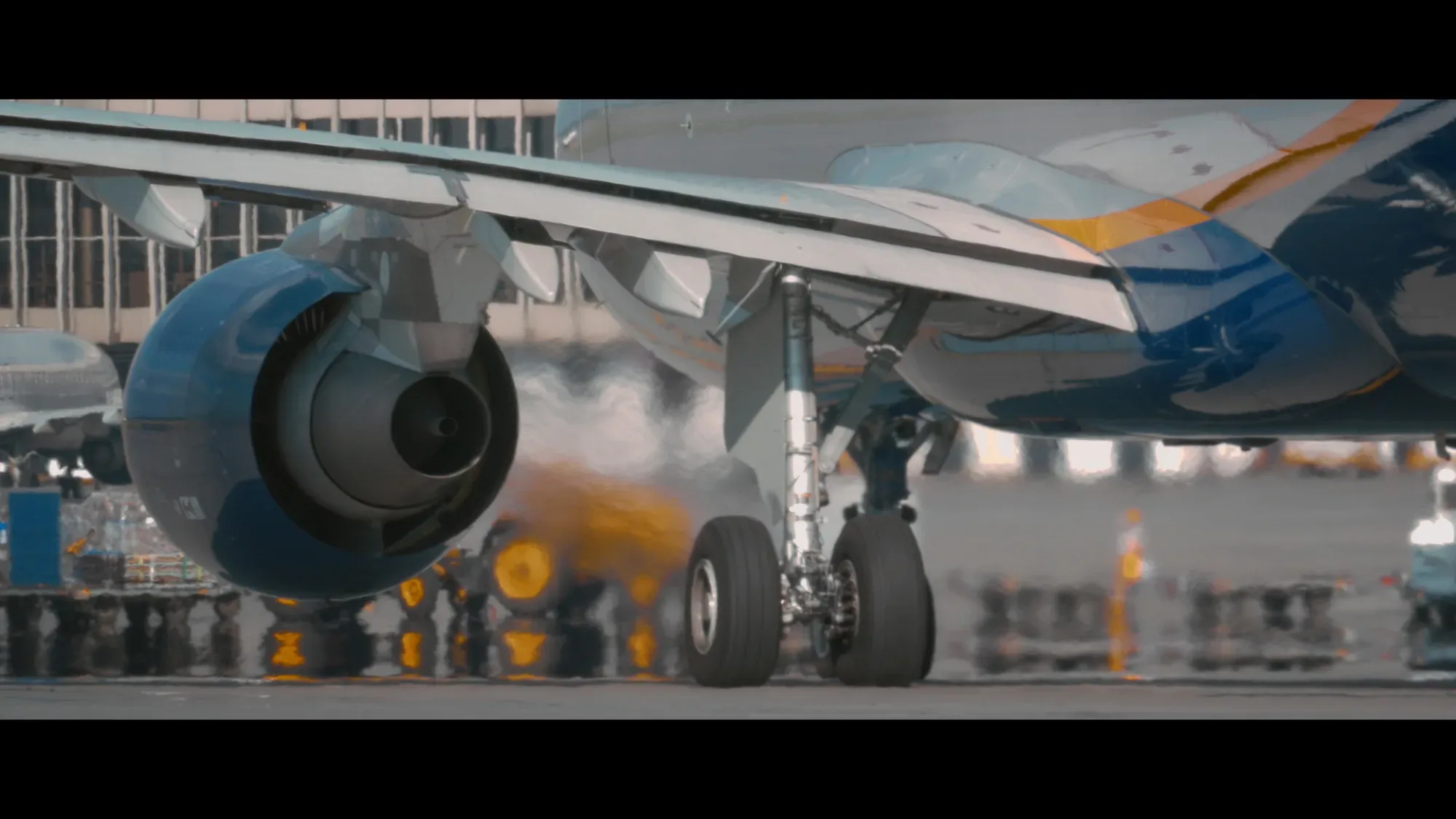
Film Stills
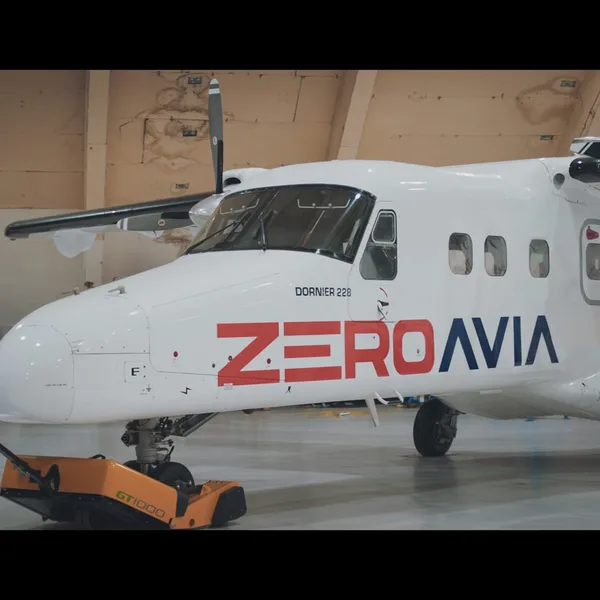
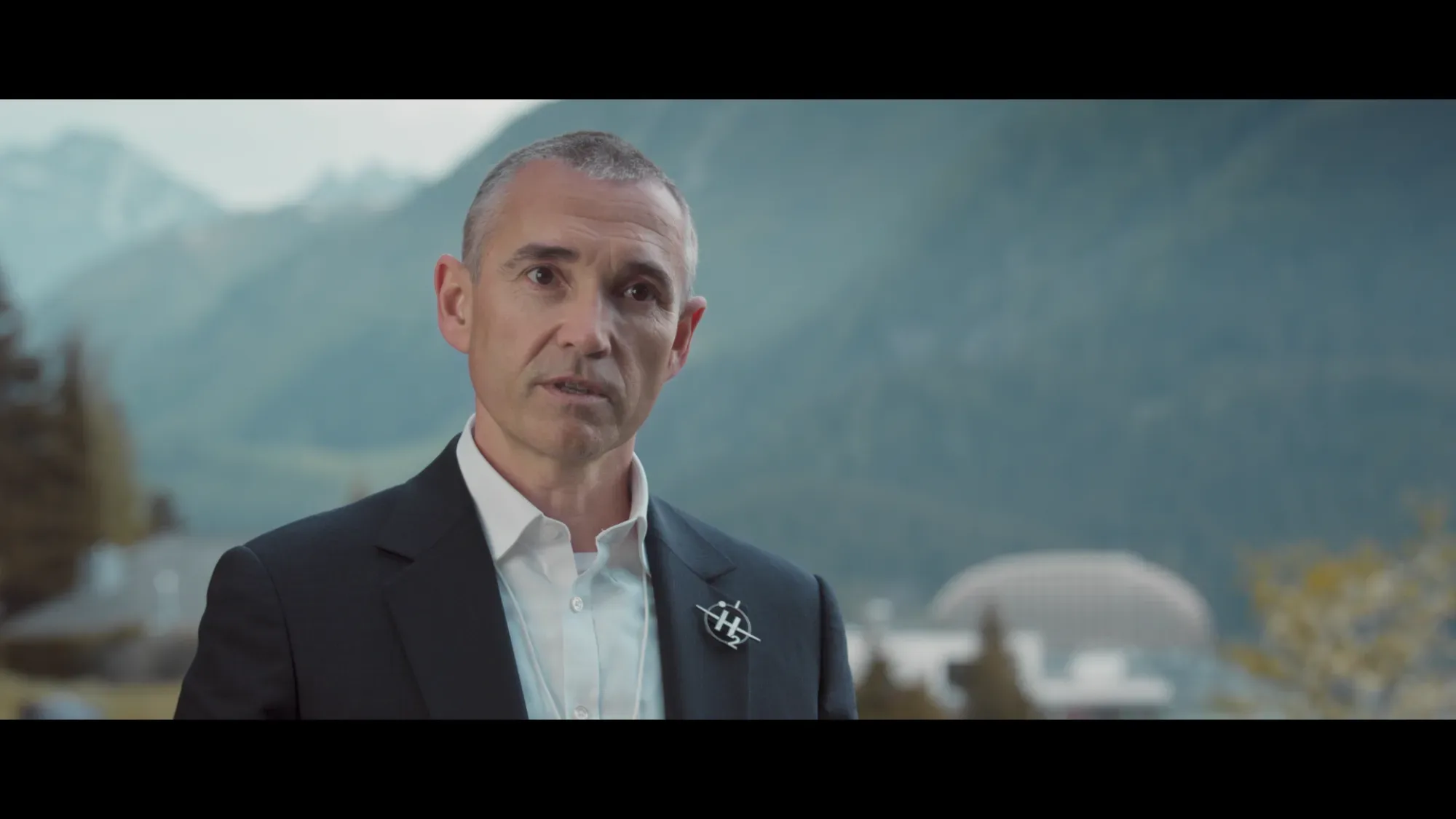
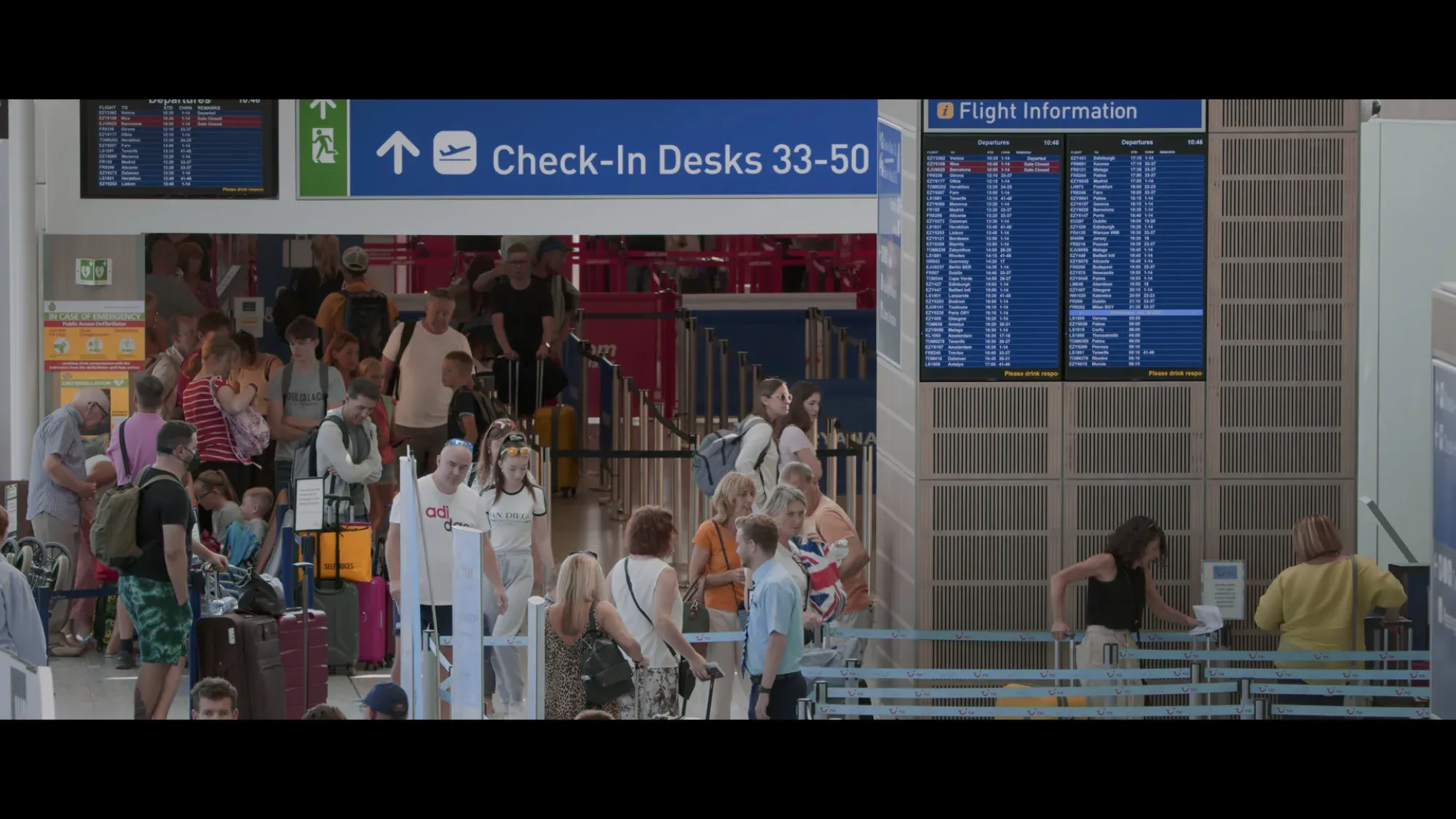
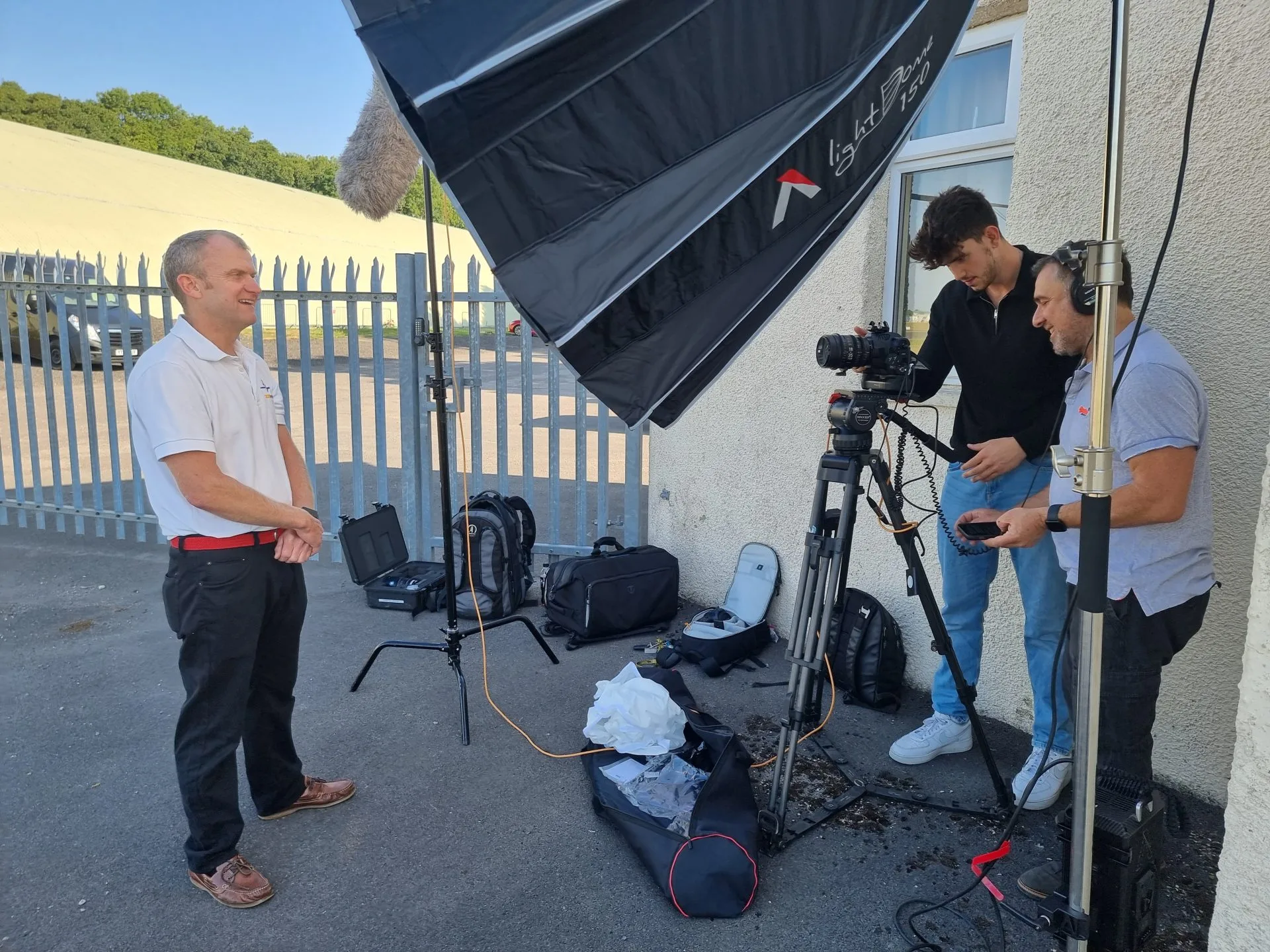
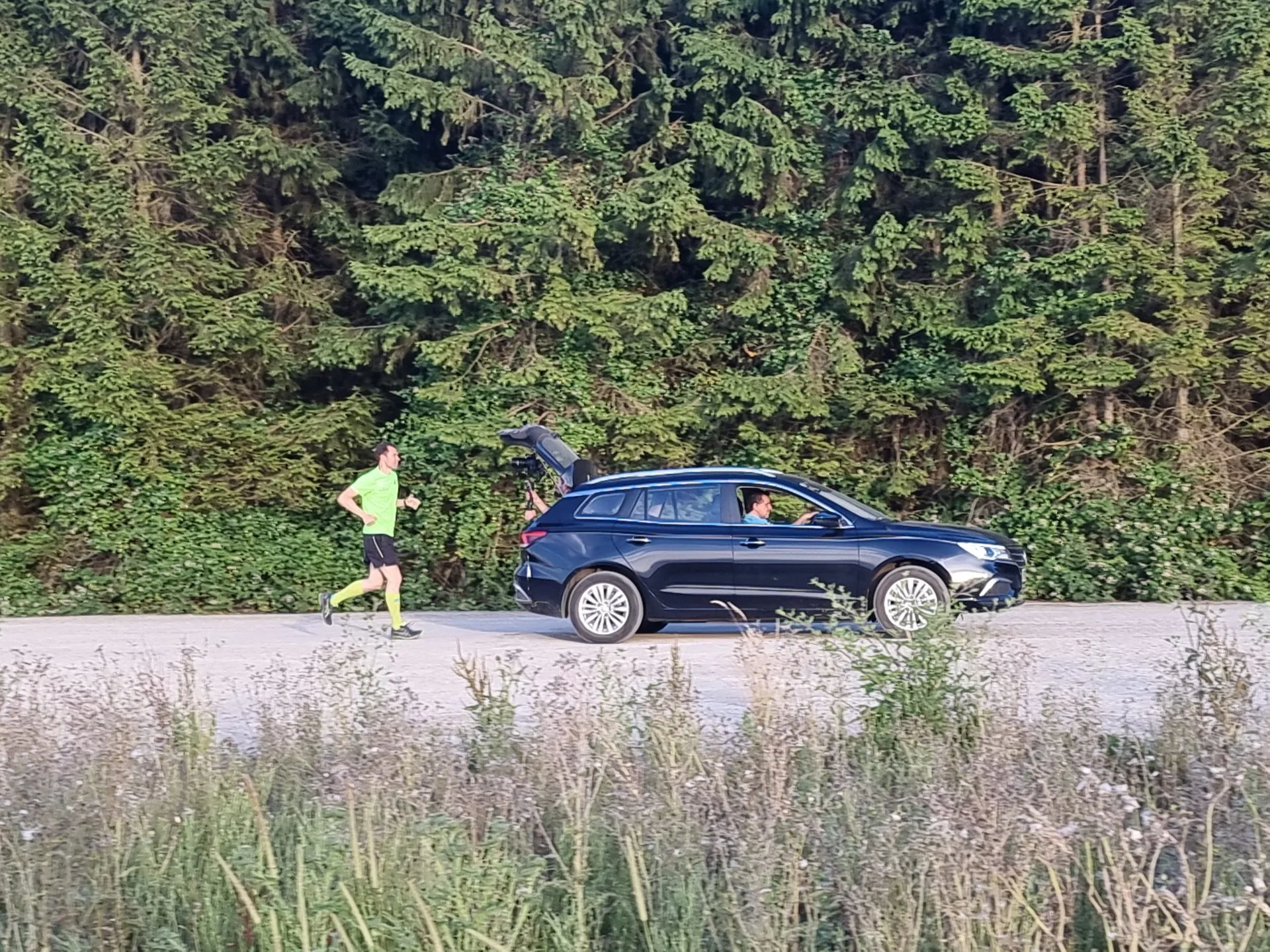
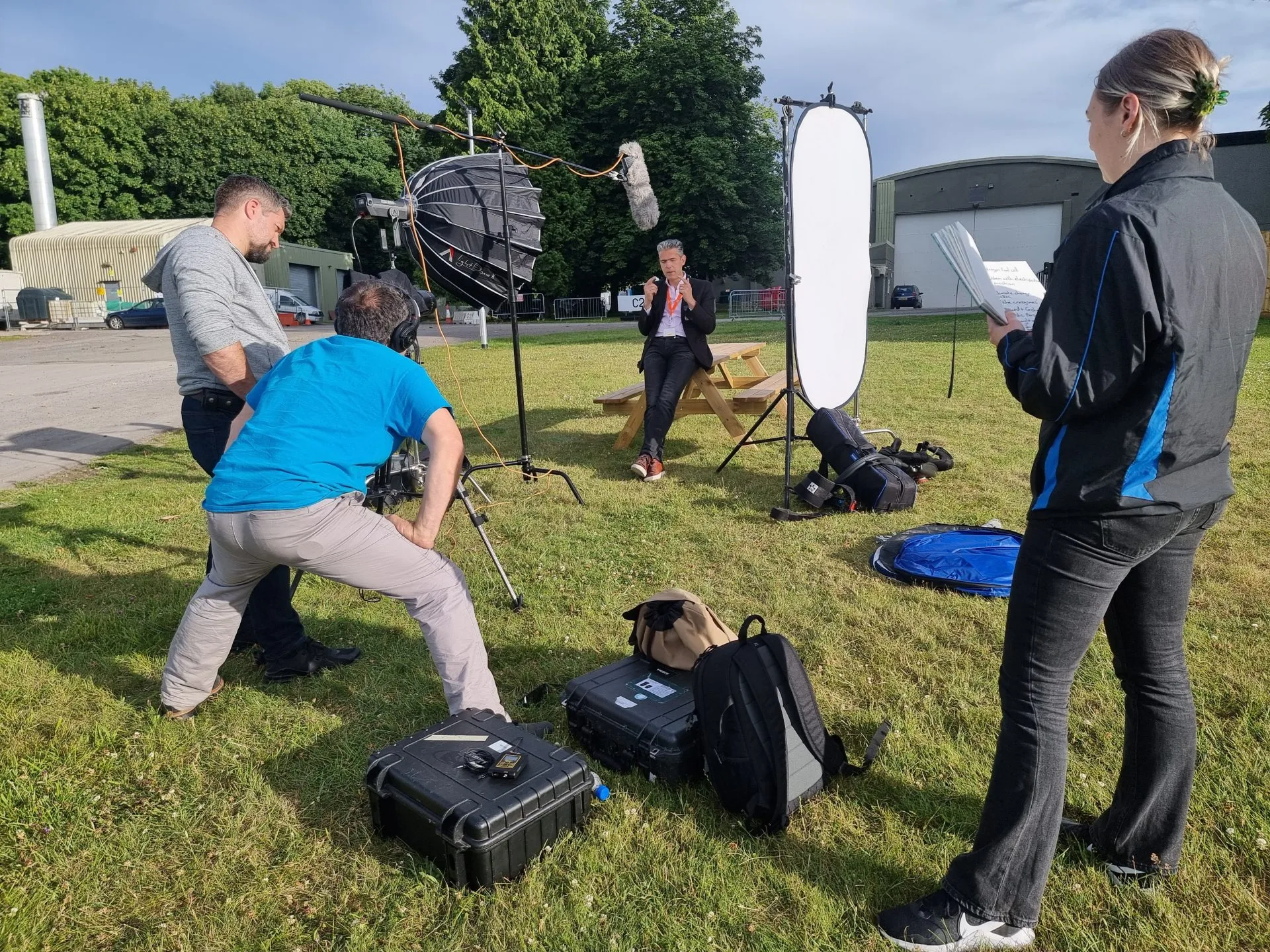
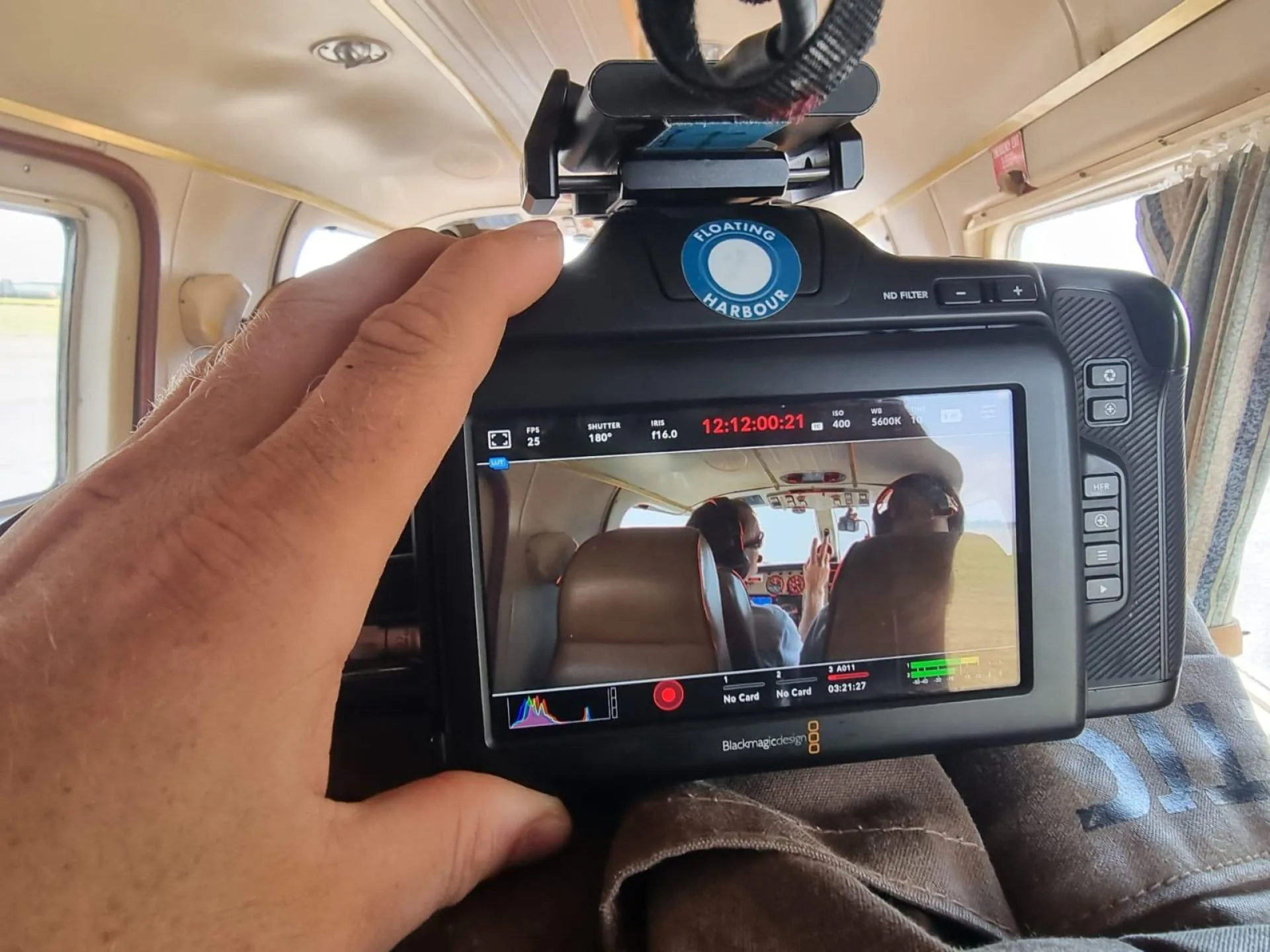
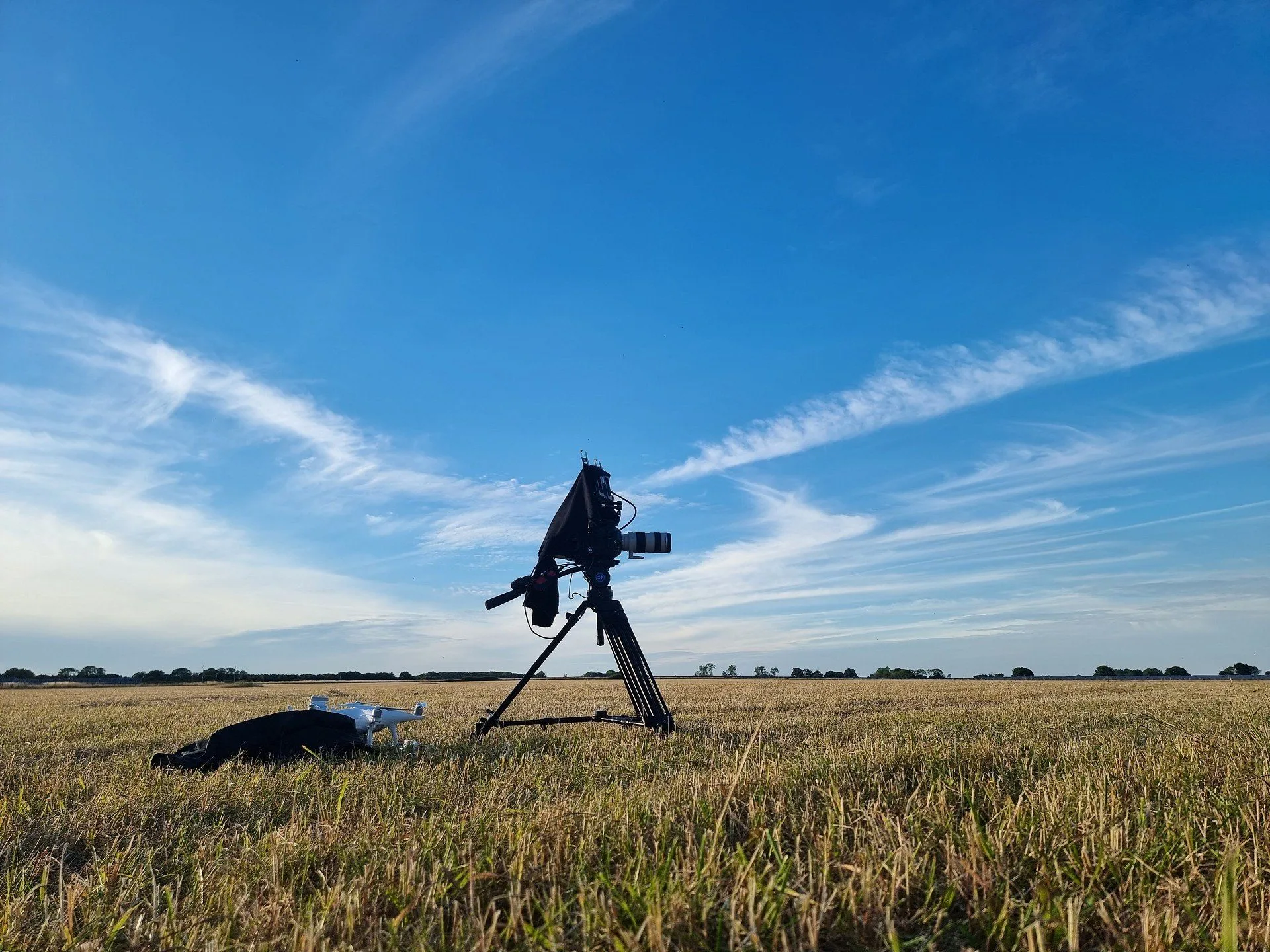
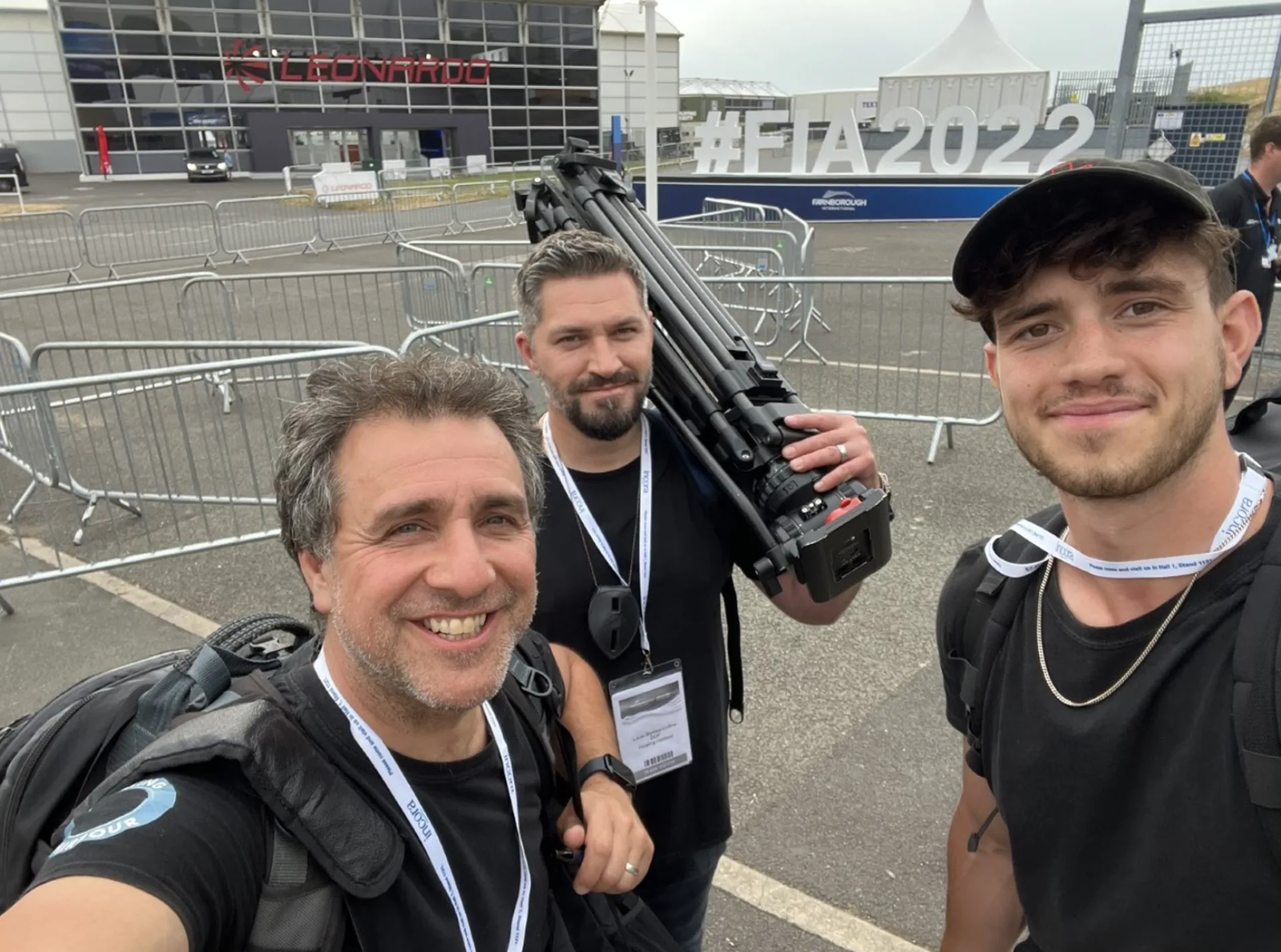
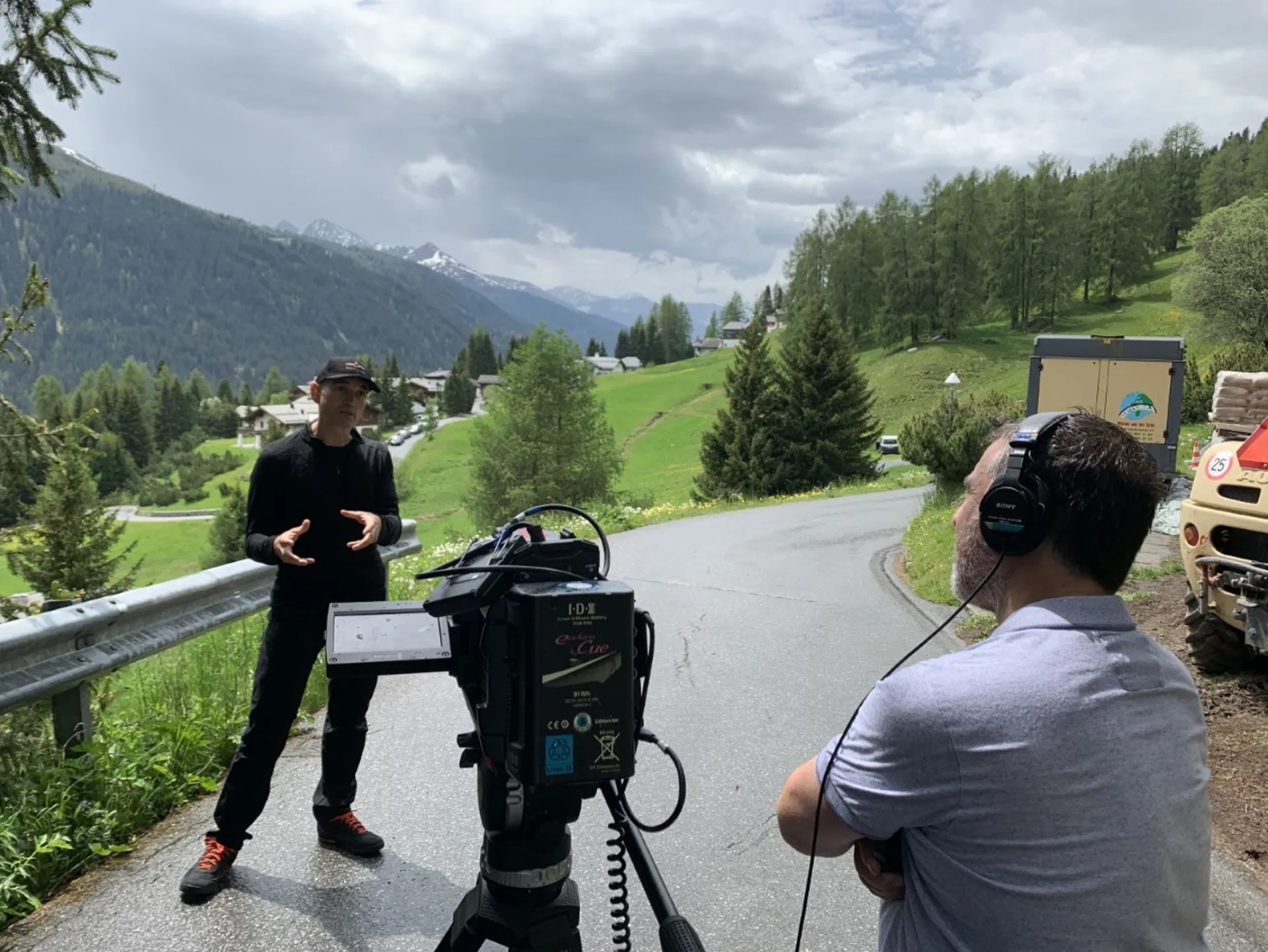
Production Stills
-
Director's Statement My 9-year-old son burst into tears two lines into the film when he learned we only have 9 years to prevent 2 degrees of warming. This reaction is a powerful reminder of how overwhelming the climate crisis can feel, and it often seems like individual efforts are not enough. It is easy to feel impotent in the face of catastrophic failures in addressing climate change. But there is hope: radical innovation and a shift in mindset are critical. The world needs to adopt a solutions-driven approach, and ZeroAvia embodies this ethos. ZeroAvia refuses to accept the status quo, where incremental improvements are far too slow. They believe radical engineering is the key to solving climate challenges within the tight timelines we face. I was fascinated to discover people who not only have the drive to attempt the impossible but also who have an approach that sees engineering as the most viable path to real solutions. What kind of people, what kind of attitude, what approach should we think about if we want to change the world? We made Emission Impossible to showcase the people who refuse to accept the status quo, who believe that engineering and practical steps are the only way forward in the race against time. Aviation is perhaps the toughest sector to decarbonise, and this film explores what kind of thinking is required to achieve the ‘impossible.’ If our film sparks conversations about the role of engineering in addressing climate change while offering hope, we will have achieved what we set out to do. Engineering is everything was a major theme for us in the film, and whilst protest has a critical place in influencing governments, we wanted to show people taking practical steps to solve man-made problems in the record time needed for our survival. If Emission Impossible invites people to have conversations about this, to consider how thinking differently can make a difference, we will consider the film to have been worth making. If we can do this whilst offering some hope, that is even better.
Richard Da Costa
Director
Floating Harbour Films



This film is part of our documentary work. See all the films we make.
Read the transcript
We are in the race to save the planet because we can see the impact of what humankind is doing. We really need to preserve all of this for the future. We only have nine years remaining of our current emissions to hit the carbon budget for even two degrees Celsius. Next year we'll have eight years.
So we need to do it today. Humankind always takes a comfortable decision, a decision which is driven by economical interest 99% of the time. 30 years in aviation. And you imagine the amount of carbon dioxide I've produced in that.
You know, it's great to be able to do something now that's good for the future. Coming to work here in this hangar, it's a challenge for the people. We have unknown technology for the aerospace environment and not a very long amount of time. There is a little bit of craziness in taking fast decisions based on engineering competence.
So we need competent people, who are at the same time courageous enough to take fast decisions to develop innovation. It's madness, but I love it. Our mission here is a hydrogen-electric engine in every aircraft. We're building new types of engines that will replace fossil fuel engines over time.
The beginning of that is taking the existing aircraft and converting them to a new type of propulsion, because otherwise you rely on aircraft manufacturers to design the new aircraft around the new fuel and bring it to market certified. That's seven, ten years at a minimum. I want this aircraft out in three years. I care about this because I'm a scientist.
Aviation today is contributing to about 3% of global emissions. If aviation does not do anything, it'll become the largest emitter of carbon dioxide. By 2050, the combustion engine, the gas turbine powered by fossil fuel, has been used for so long and the development took so long that they reached a level of efficiency which is very high. The existing companies are not set up to drive real transformation, that in most cases is cannibalising their existing business.
Some people say, hey, we need to stop flying. And we had this flight-shaming movement. My philosophy personally is that you cannot put people back into caves. Stopping progress in general is not a sustainable way to deal with problems.
Everything is engineering, because that's how you solve the problems. You really look at potential solutions. You implement potential answers. You look at the results of that, you iterate, and in the end you have the solution that works.
That's engineering. Being an engineer in this moment is allowing people to realise ideas. That's why it's incredibly powerful. Sometimes we call ourselves the sustainable Rolls-Royce.
So we are producing the engine which propels the aircraft. We are not reinventing the wheel, but we are reinventing the engine. A hydrogen-electric powertrain system is an engine that uses hydrogen stored in a tank to produce electricity through a fuel cell, which is transported to an electrical engine, which is connected to a propeller that produces thrust. Electrification of aviation is a matter of fact.
It is coming. It's not hard. It's simply difficult, as everything was difficult before it was done. We like to show that this technology is real.
The best way to do it is to show that it's real, show that it's getting commercial. There are signs, right? And we're not just running around with nice PowerPoint presentations. Change is not going to come from inside that.
That is not leadership. This is leadership. You just show up with a frustration and with a protest sign, sometimes it's not the most beneficial thing to do. We have to get the message out to the top executives, to the top policy officials, and we need all the support that we can get from the large corporates, large aviation suppliers, large airlines, large energy players, and the policy support from the governments so that we can have this transformation occur in the fastest way possible.
My role as the test pilot is to do the first flight and the flight test phases. My career was as a pilot in the Air Force and I flew Tornados. The Tornado would carry up to sort of 10 tonnes of fuel. So 10,000 litres of fuel and it would be easily possible to burn five tonnes of fuel in under an hour.
So we are right in the middle of the ground testing phase now. We're building up to flight. Everybody's super excited about it. But we've got to make sure that we do it right and we do it safely.
The first time we turn the propeller is a momentous occasion, because it's the start of that final part of our journey to get this aircraft flying. This moment is the realisation of the design and the beginning of the test phase. So the engineers have a moment of proof, a moment of truth. Is it right, what I've done?
Does it work fine or not? If this is working fine, this is going to be the biggest, the hairiest aircraft ever flown with hydrogen. This is something incredible. So up until this point, all propellers have been turned by burning fossil fuels.
Now we are shaping the future of aviation. I have a personal feeling about climate change. I don't want to speak about it, I want to act for it. So if you do something, it's better than speaking and wishing we will change.
Let's change ourselves. Let's do something for our children. I've got twin boys. They understand what I'm doing and why I'm doing it.
And they're always asking questions about, you know, what did you do at work today, Dad? And it makes me really proud to be able to go home and tell them. I think people want to be in front of each other. People need to be in front of each other.
The global human society benefits from interconnectedness, and aviation provides that. I feel guilty when we're not doing everything that we can to solve our problems, because there is no excuse for slowing down when you have a clear path to solutions. I don't think it's a minority of people willing to help the world. I think we are more courageous than the other ones.
We take more risk. We risk our own career, life, profession, probably, to help the world. Some people are skeptical and the way to deal with the skepticism is to just do it. We humans can build something great, can solve big problems and can take actions that bring the future in a positive direction.
This first flight is very important for the company and I would argue very important for the industry overall. I want my children to look back at us, look back at this time, and be able to say that my dad did as much as possible to solve the problems that we had at the time, and now we live in a better place. Neil Armstrong said, this is one small step for a man and one giant leap for mankind. What we are doing now is not just for mankind, but it's also for the planet.
Flight controls are full and free. Doors and windows. Lights. All take-off checks complete.
You ready? Zero Alpha, runway two six. Wind three two zero, five knots. Take off at your discretion.
Passing 500 feet. Golf Alpha is downwind for full stop. Level 2,000 feet, 120 knots. Zero Alpha, two six, land.
Wind two eight zero at five knots. Still really good. Voltage has gone high. This is a team effort for us at ZeroAvia.
You know, you take one of those people out and we wouldn't have achieved it. It's a big message to the world, to the ecosystem of hydrogen. We made it. It was difficult yesterday, but now we did it.
So let's continue on the journey.
Would you like a film like this? Start a film project