Vattenfall: Bristol Heat Network film
Exploring Bristol's Heat Network (2025)
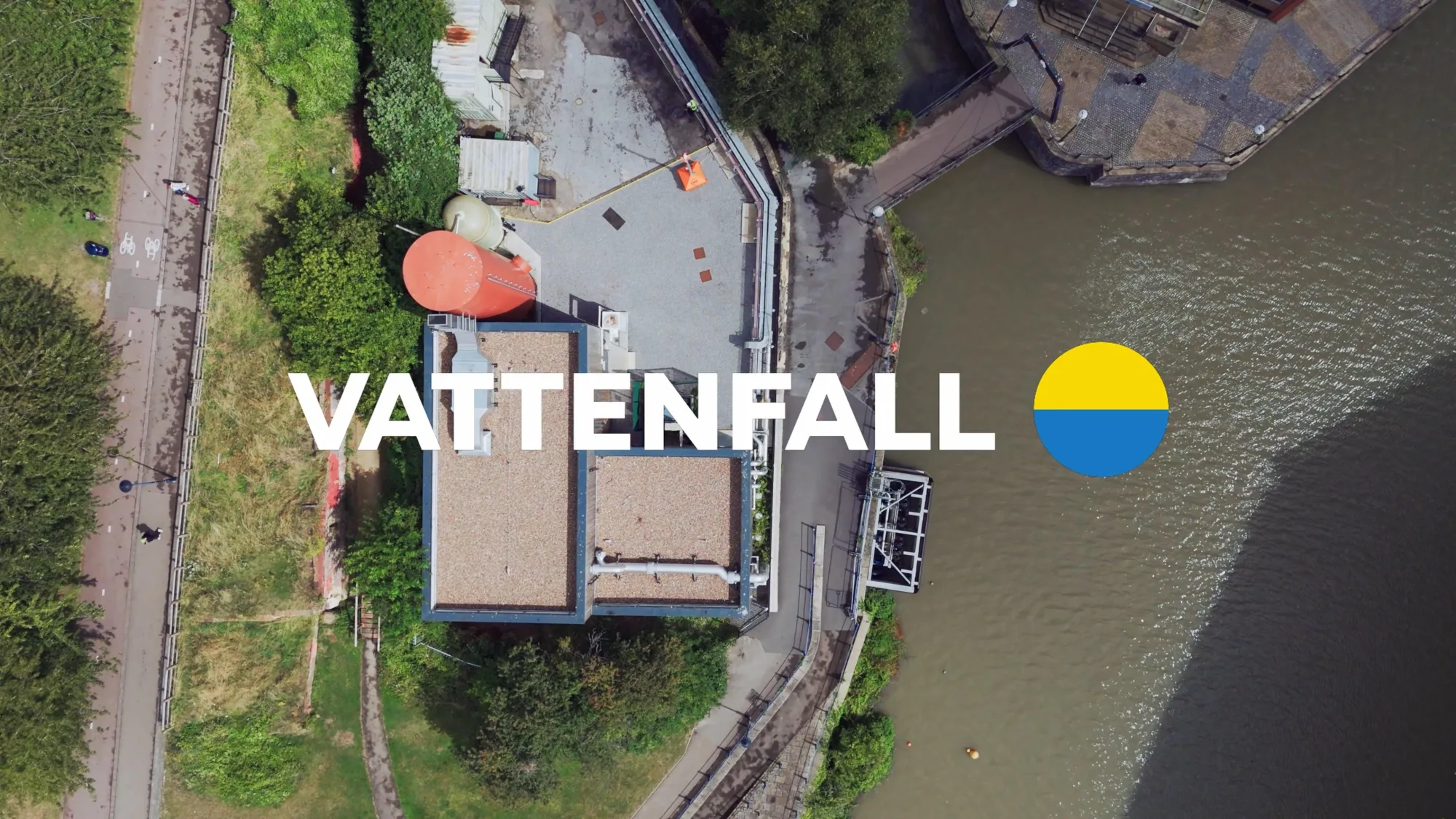
Vattenfall is the heat network partner in Bristol City Leap, the twenty-year partnership to make the city's energy infrastructure carbon neutral by 2030, and its Castle Park Energy Centre runs England's largest harbour-based water-source heat pump, taking heat from the Floating Harbour to warm homes and businesses across the city. Demand for tours of the energy centre had become more than the team could meet, so Vattenfall asked us for a film that could stand in for the tour: an explainer for businesses, residents and anyone interested in how the district heat network works, how heat is drawn from the harbour, and how the network is growing across Bristol.
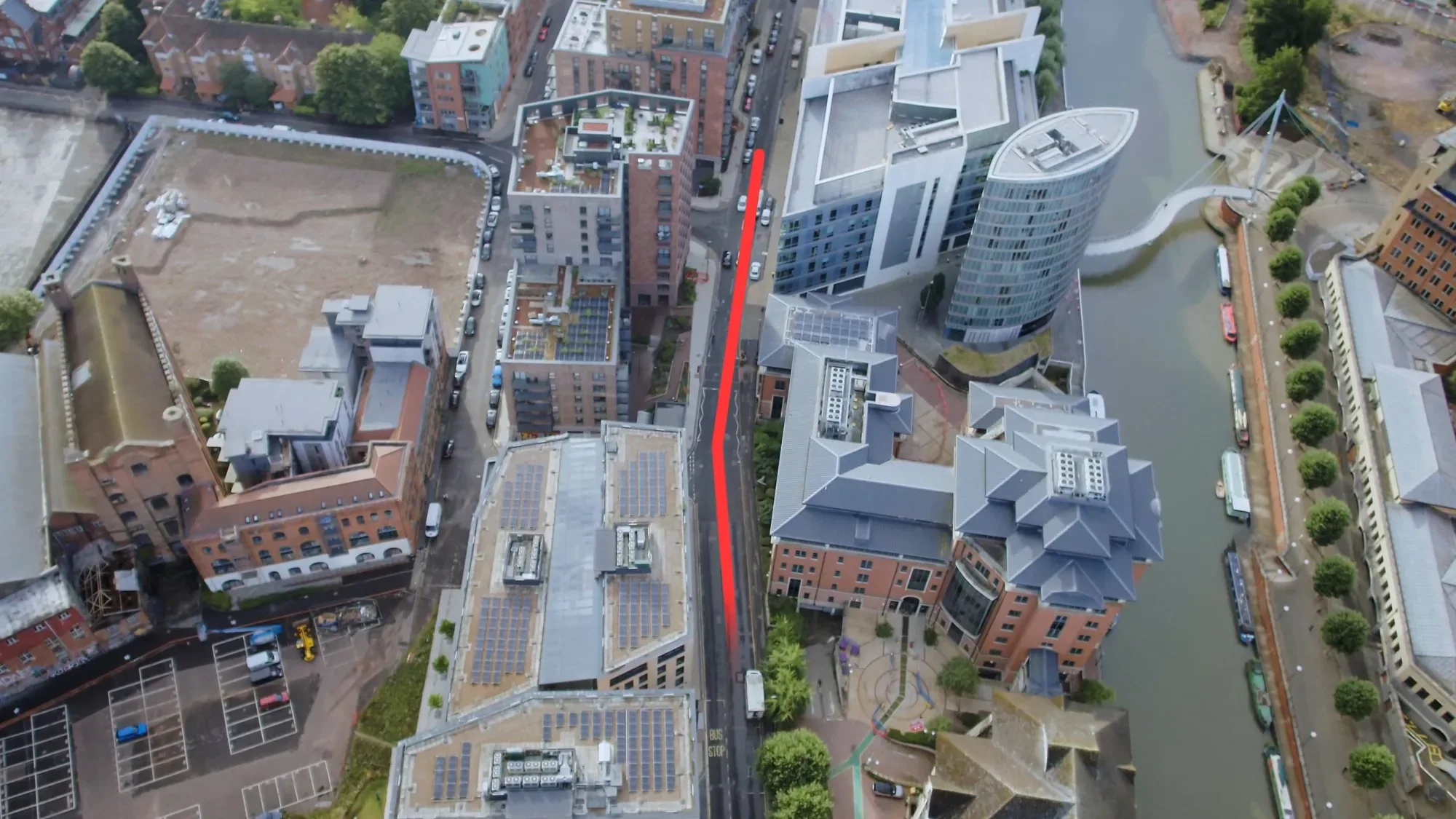
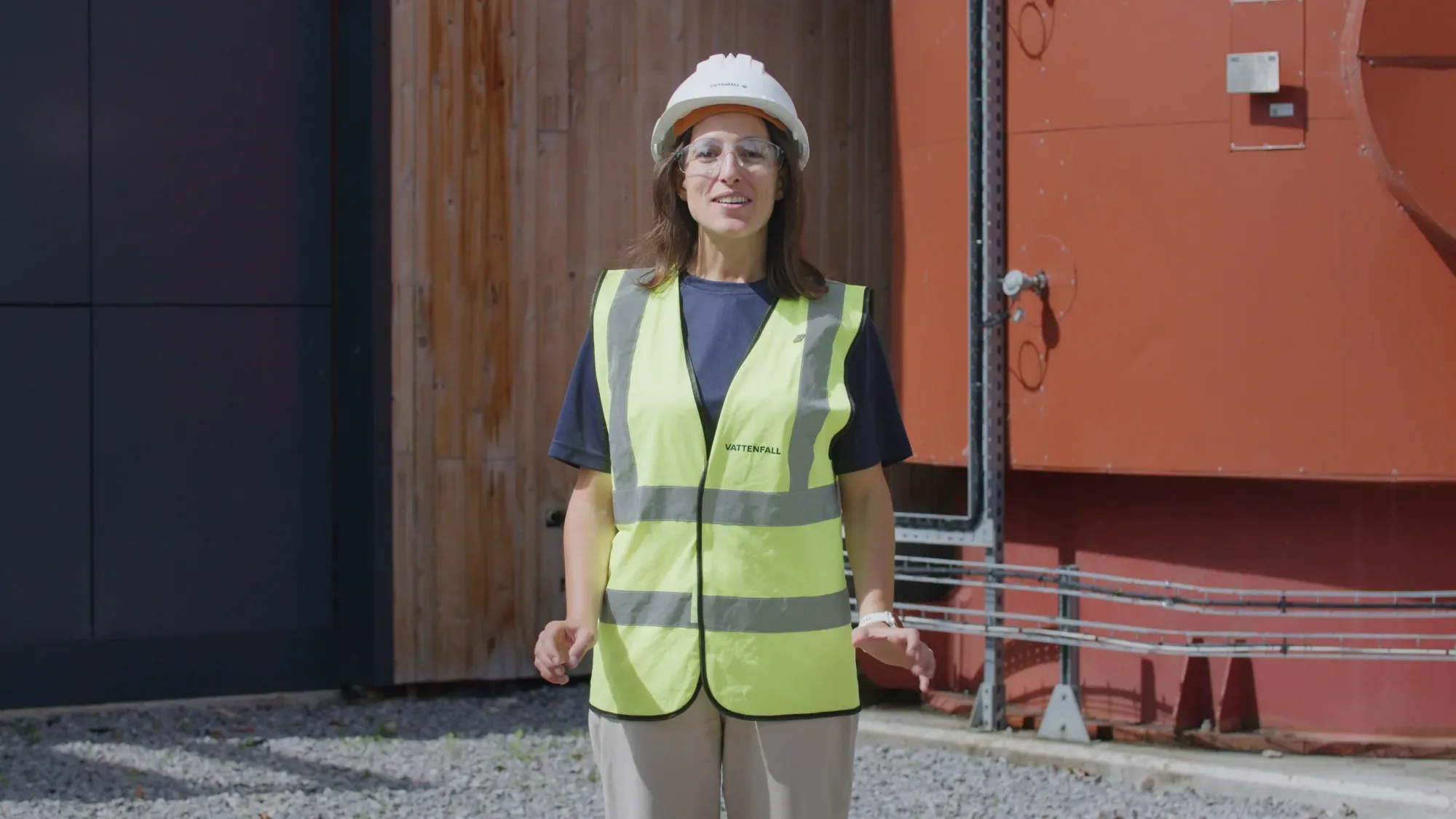
We filmed inside the energy centre, at the substations and around the harbour, and from the air, a larger drone shoot planned and flown safely from Bristol's tallest building across the city, with graphics for the parts of the process a camera cannot see. We are working with Vattenfall again in 2026 on a photography commission.
The film sits in a body of energy and climate work that includes Retrofit West and Energising Britain for the West of England Combined Authority and five years with ZeroAvia; see also our climate change and environment films.
This film is part of our animation and motion graphics and corporate film work. See all the films we make.
Read the transcript
Welcome to Castle Park Energy Centre. Providing low-carbon heat is critical to decarbonising Bristol and the UK. And this is Vattenfall's first purpose-built low-carbon energy centre supplying the Bristol Heat Network. So how does it work?
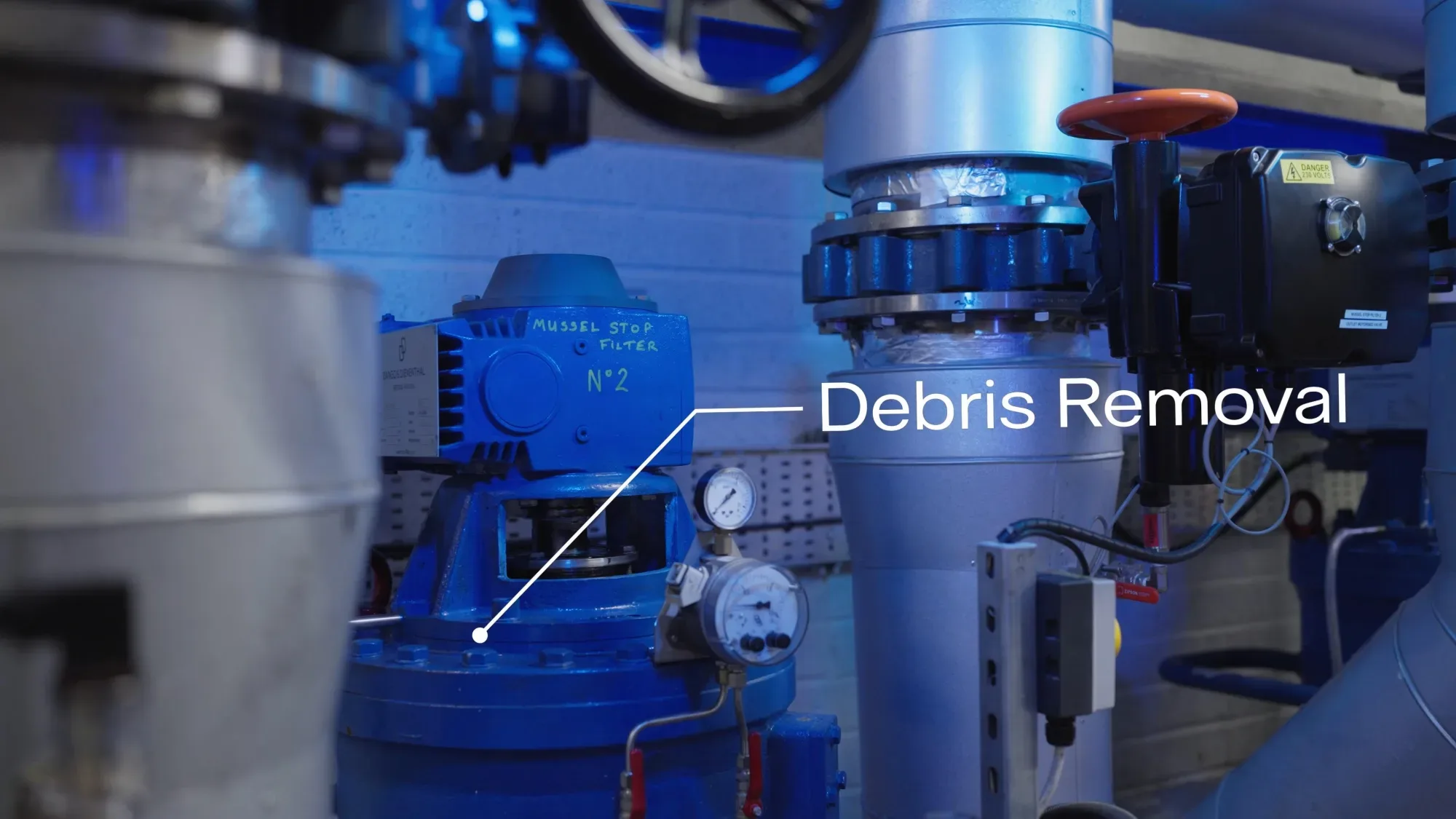
The first step is identifying a heat source. That could be air, ground, or as in the case here, water, using heat from the Floating Harbour. We take water from the Floating Harbour at between 10 and 15 degrees. The water is filtered to remove debris and even the eggs of invasive mussels.
Energy is generated using a heat pump. There are three key components: the spray chiller, compressor, and the condenser. Harbour water is sent through the spray chiller, which contains a refrigerant, in this case ammonia. We use the natural temperature of the harbour water to cause our refrigerant to boil, which then turns it into a gas.
This gas is then compressed, causing its temperature to increase up to 110 degrees. The harbour water is then returned to the harbour at a lower temperature. Meanwhile, the high-temperature gas passes through the condenser, where it heats up water in a separate sealed network of pipes. This hot water then travels through the district heating network, which is a series of insulated pipes running under the city.
These are connected to buildings, where the hot water passes through a heat interface unit, transferring its energy to provide heating and hot water. The cooled water then returns to the energy centre to be reheated, creating a continuous loop. Vattenfall's Bristol Heat Network currently serves homes and businesses at locations including Castle Park, Redcliffe, Temple and the Harbourside. As the network grows, it will provide sustainable, affordable heating to thousands more properties across the city.
Our vision is a fossil-fuel-free future within one generation, and the Bristol Heat Network is an important step towards achieving that goal.
Do you have a film in mind? Start a film project