
Africa Regional Data Cube
The Brief
GPSDD commissioned Floating Harbour to produce a series of films for another of their international conferences, this time held in Africa. Having worked with us on their Bristol event, they returned to our Bristol studio to produce content remotely for the African conference rather than covering the event on location.
The Approach
Working from our Bristol base, we produced films combining animation, motion graphics, archival footage, and poetry voiced by actors. The content was designed for multiple screen formats to suit the conference venue, from large stage displays to smaller screens in communal areas. Each film was crafted to communicate complex data and sustainable development themes in a clear, engaging way.
The Result
The films were delivered on schedule for the conference and played across multiple screens at the venue. This project demonstrated our ability to produce high-quality international content remotely, reinforcing the ongoing relationship with GPSDD that began with their Bristol event.
See also: Global Partnership for Sustainable Development Data
Read the transcript
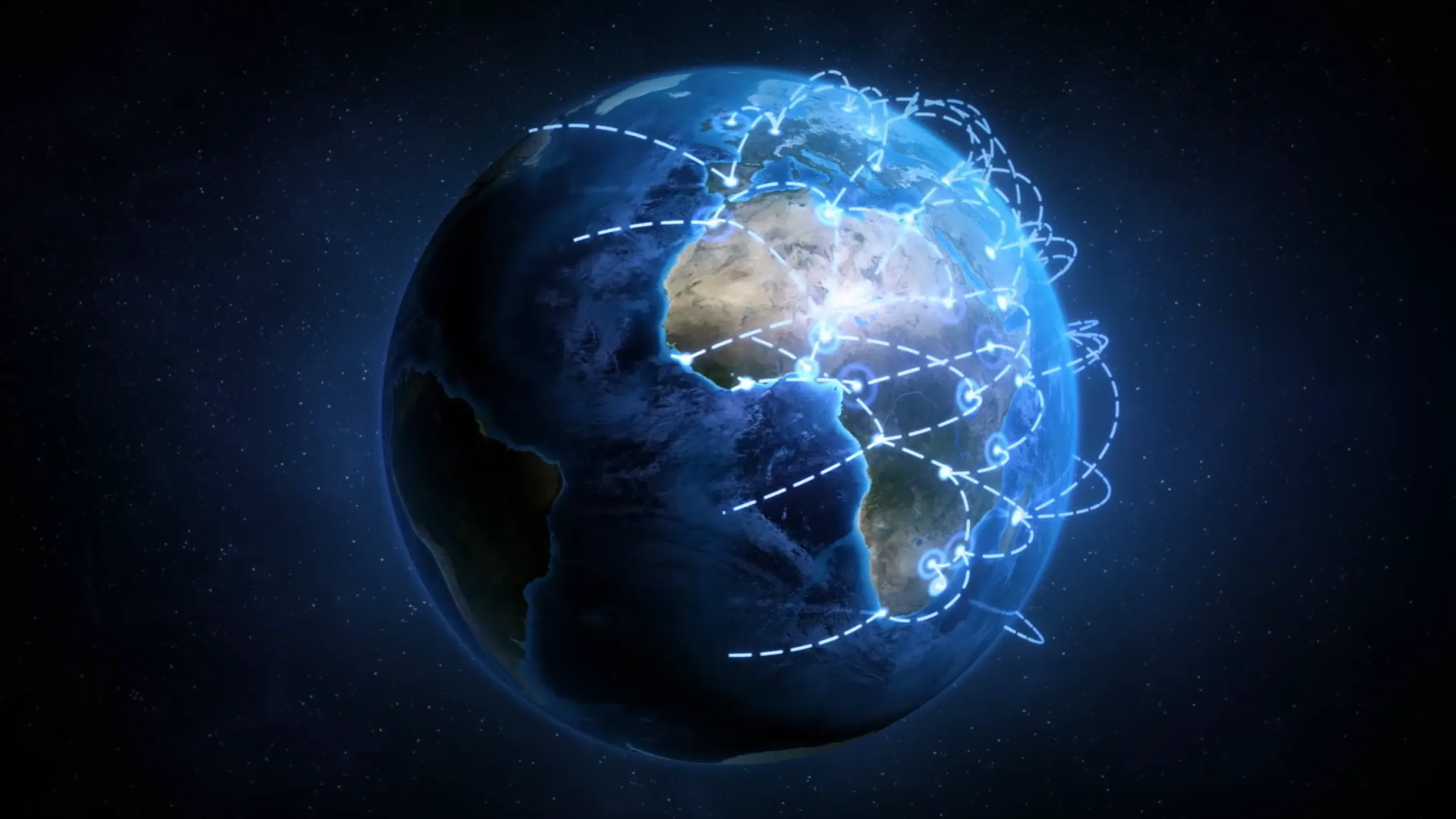
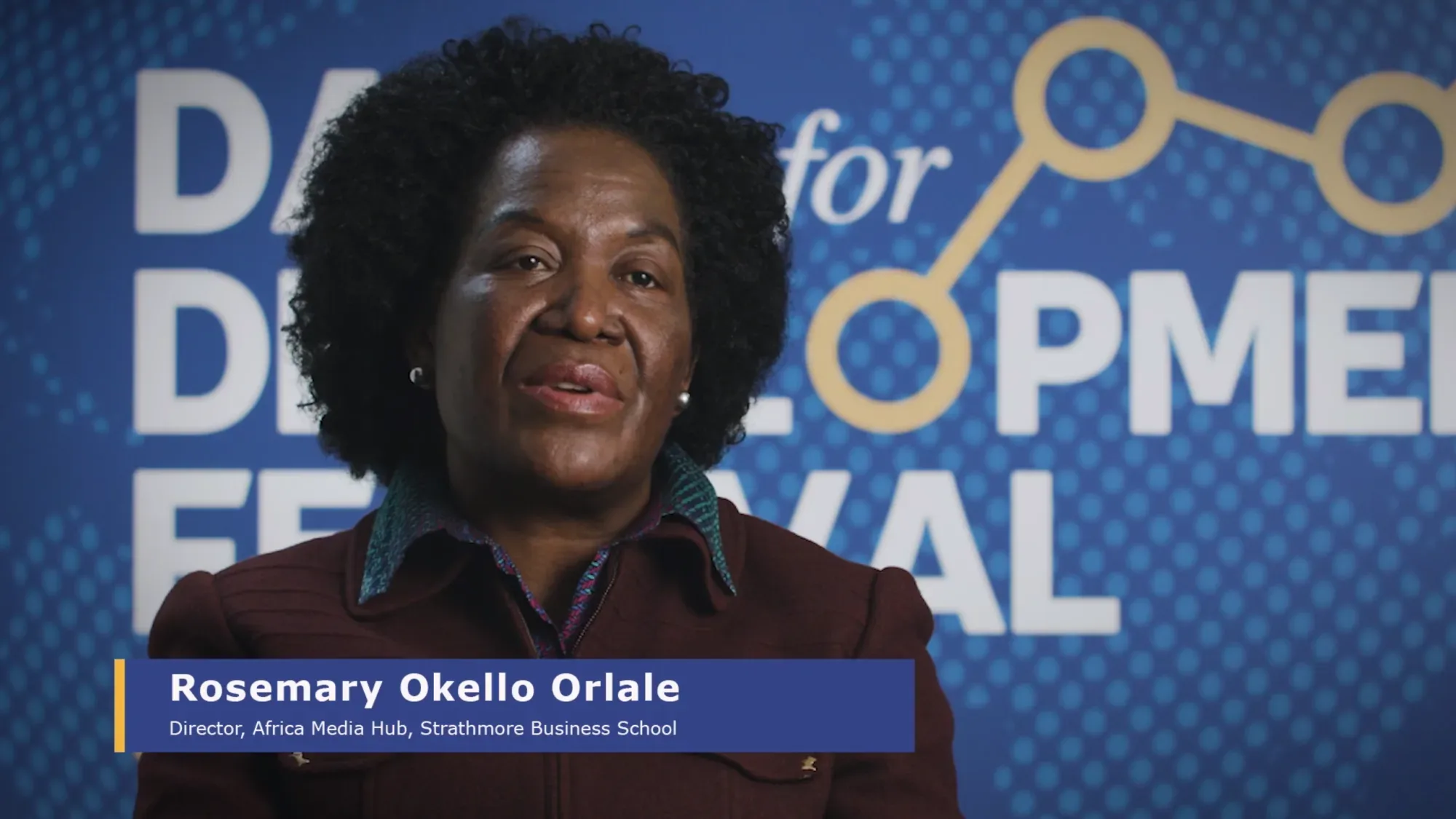
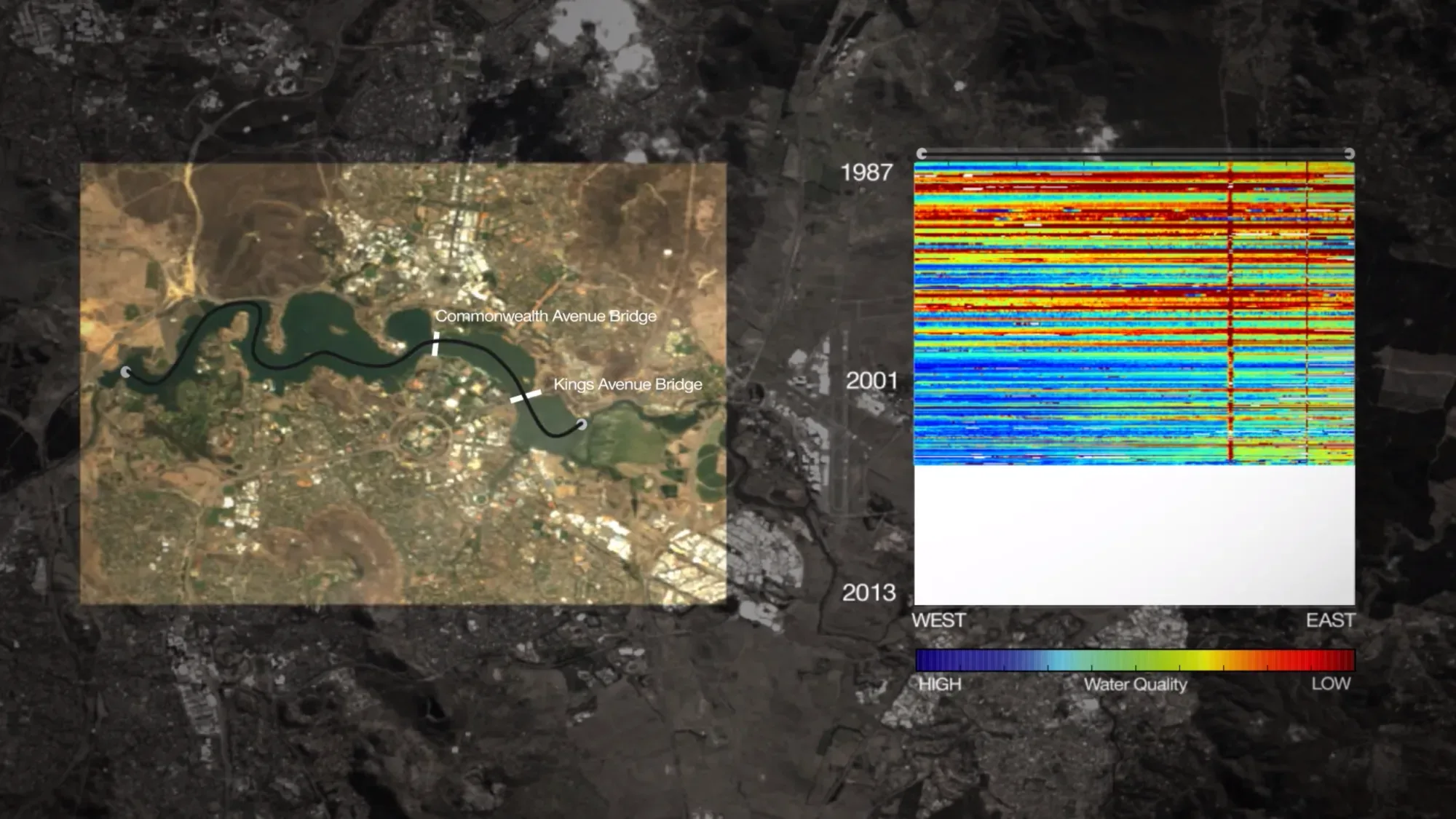
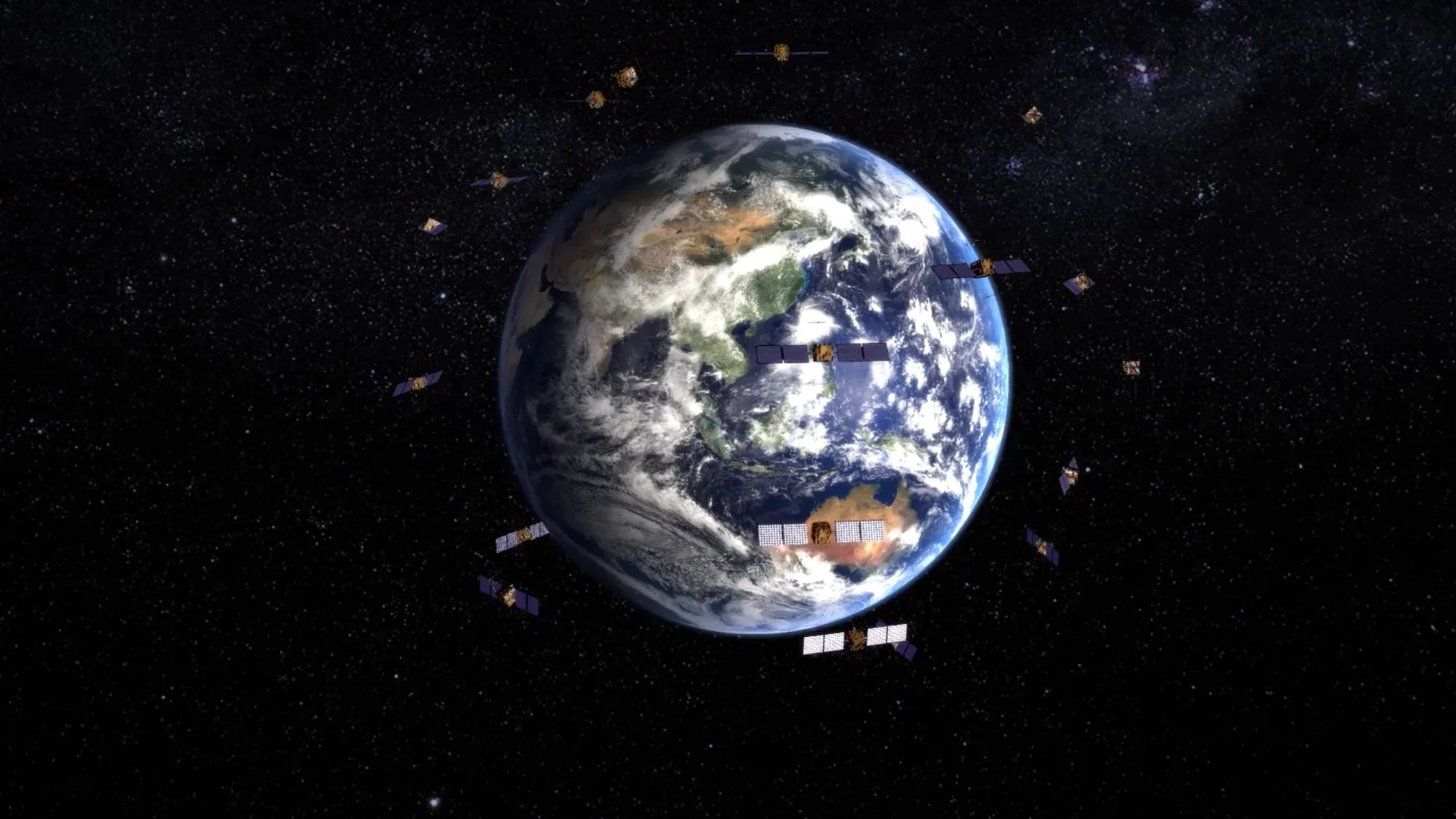
We're very excited about the new African Regional Data Cube. It brings this new data technology to five different countries in Africa that typically are not users of satellite data. And they're going to have this chance now to look at the Earth from totally new ways and to use it for sustainable development goals. Initially data was being siloed as a scientific tool, but what I've learned is data actually is an everyday thing that should inform, transform, and even inform how we do our daily business.
From our own livelihood, to environment, and to policy, and to how we engage as networks with globally and locally. We have all the data we want now, but that's actually a bit of a problem. It's no longer, how do I get the data and I can't buy it? It's now, I've got so much data, how do I use it?
In the absence of data, it truly becomes very difficult for us, another developing country, to really effectively plan. And I think the government has made a deliberate decision to really leverage innovation, leverage ICT, to make data more readily available to support our planning processes. Earth observations, both from satellites as well as from ground-based stations, in situ data and data from airborne sensors, can help when combined with other sources of data such as national statistics, administrative data, and other types of data sources, including citizen science, crowdsource data, can really help countries monitor and understand how to better monitor and achieve progress towards sustainable development in a consistent, cost-effective and timely manner. Through the global partnership, you're at the forefront of the innovation and new ideas that will bring the promise of the data revolution to bear on the most critical problems of our time and on our efforts to achieve the SDGs.
I congratulate your progress so far. I'm particularly excited to see the launch this week of the Africa Regional Data Cube, which aims to increase agricultural productivity and provide jobs for young people. We are especially pleased that with the launch of the African Regional Data Cube, that we'll begin to make the benefits of data revolution more real and tangible to data communities who have often been left behind. This is a big step towards the destination of who we want to be in 2030.
Would you like a film like this? Start a film project