
Global Partnership For Sustainable Development Data
In 2018 a single festival in Bristol became a multi-year relationship with the Global Partnership for Sustainable Development Data, hosted by the United Nations Foundation. We covered its three-day Data for Development Festival with multi-camera live production, then made five short films for the UN General Assembly in two weeks, using animation, archive, poetry and actors. One opened a plenary session and drew spontaneous applause; a later commission carried the story to Africa.
What we delivered. Multi-camera live production of the three-day Data for Development Festival, streamed to the UN's platforms. A dedicated interview room running all week. Five short films for the 2018 UN General Assembly, delivered in two weeks. The Africa Regional Data Cube film. See more of our work for government and public bodies, charities and not-for-profits, and our graphics and animation.
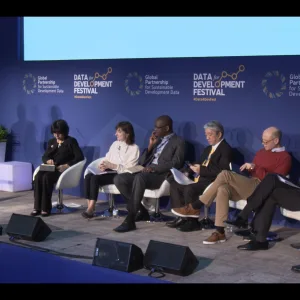
Live event production for a UN data festival
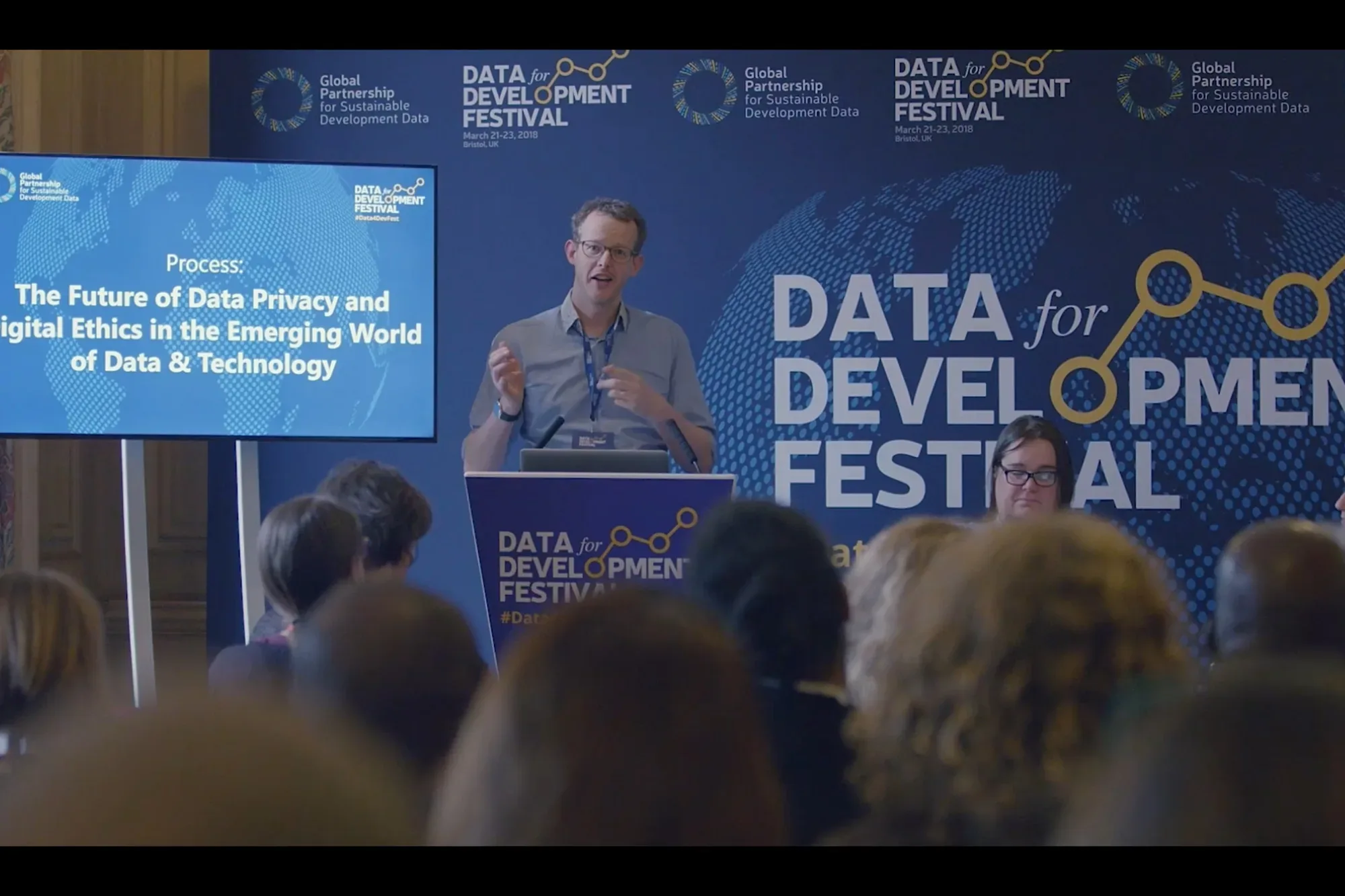
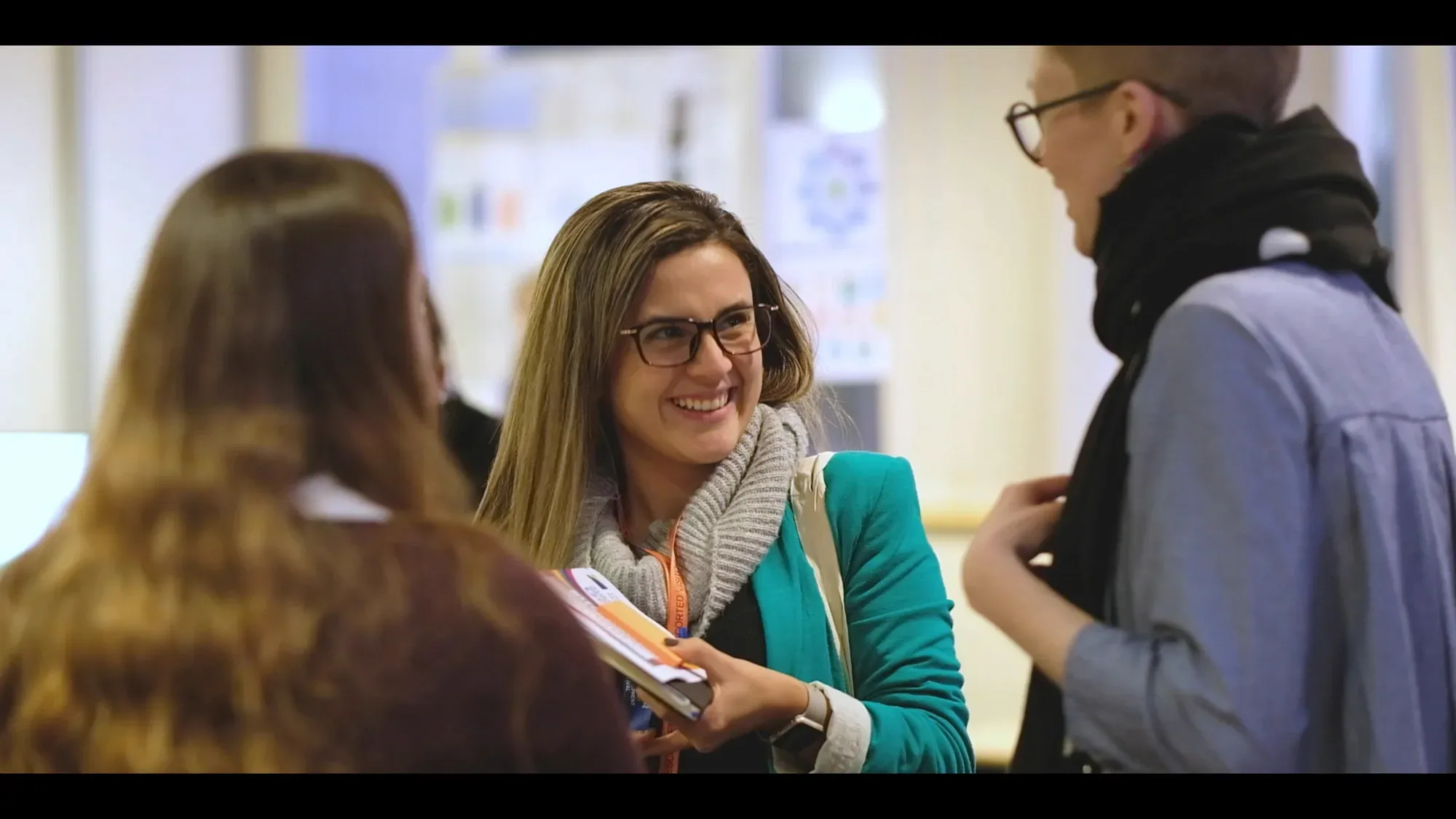
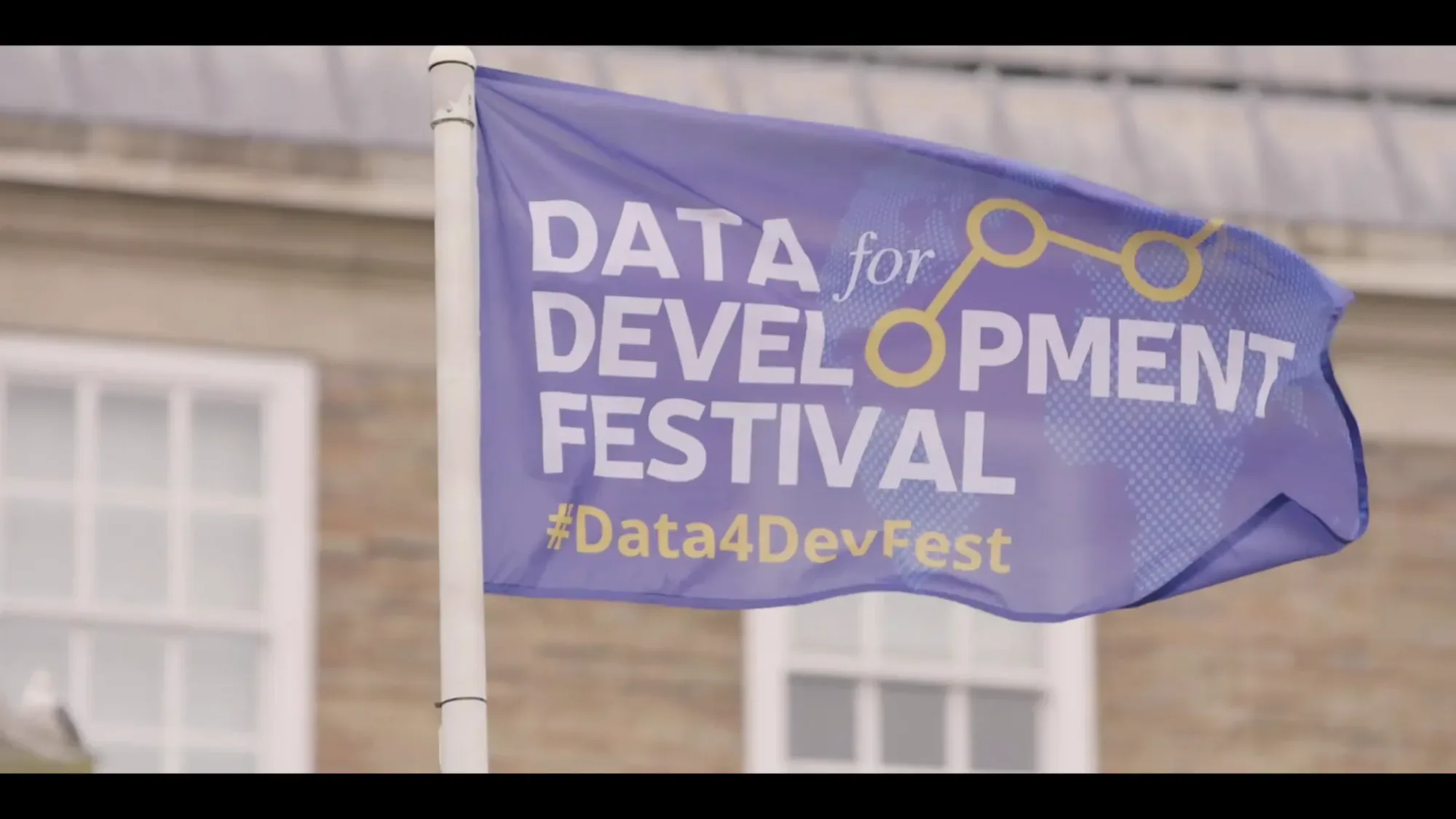
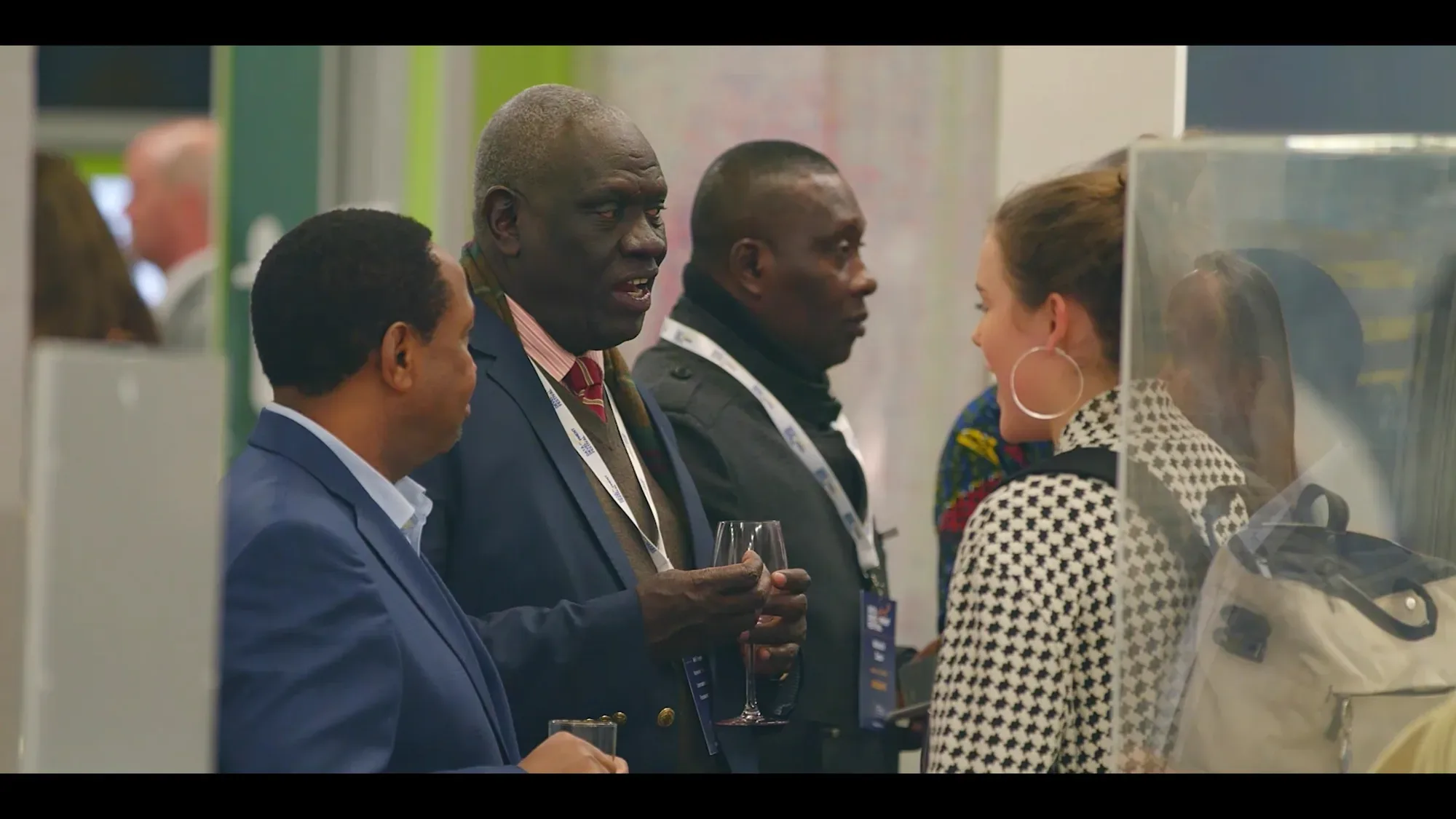
GPSDD brought its inaugural Data for Development Festival to Bristol: three days, 400 delegates in the room, tens of thousands more following online, and 41 sessions built around a deceptively simple question - how does better data actually move the Sustainable Development Goals forward?
We were commissioned to cover it. Multi-camera live production, a dedicated interview room running through the week and sessions live-streamed to the UN's own social platforms and website.
Advocacy films for the UN General Assembly
At the same time GPSDD were preparing for a far harder communications problem: how to take the argument for data and make it land in front of heads of state at the United Nations General Assembly.
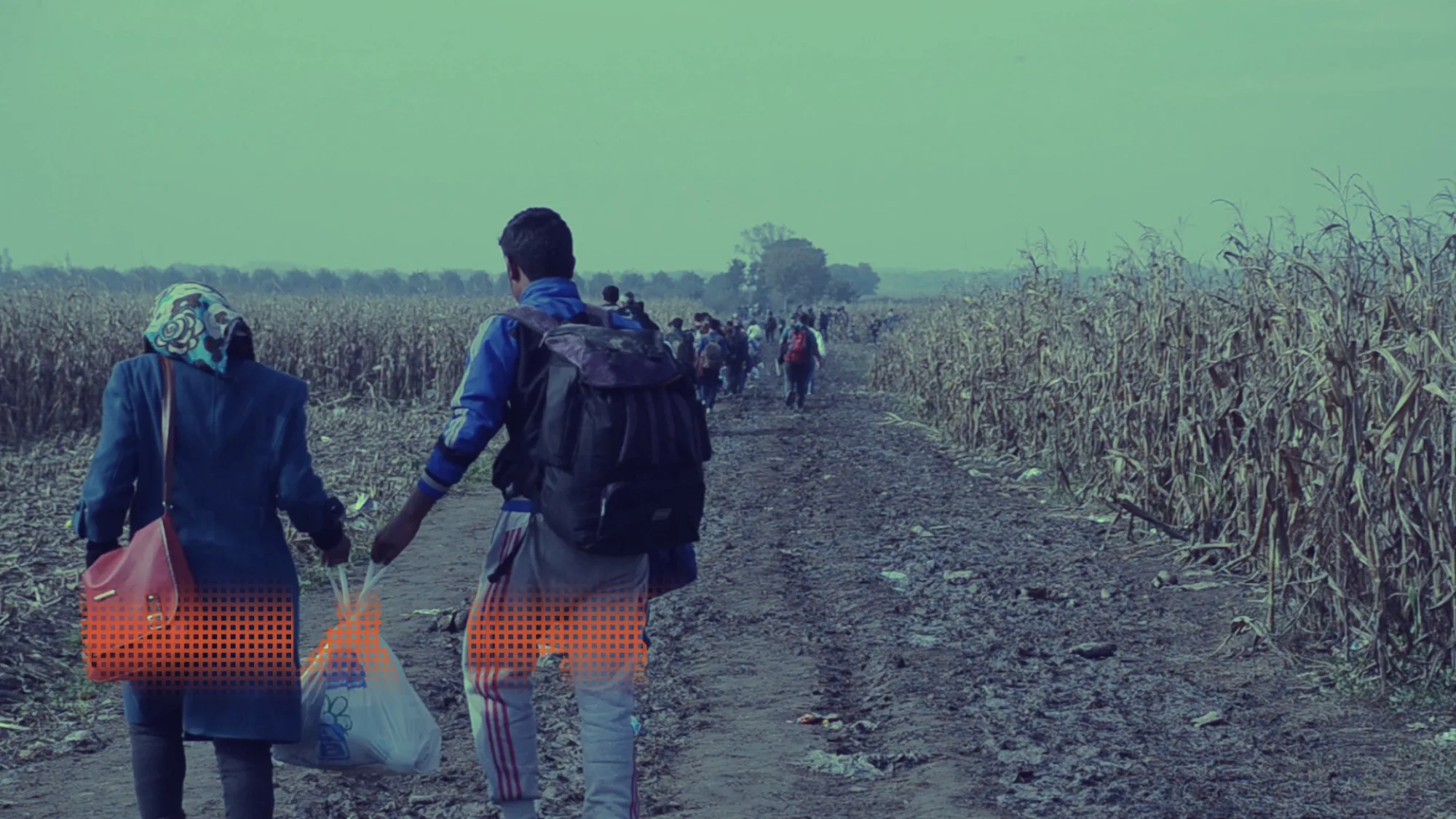
The ask was a series of five short films for UNGA, covering food insecurity, displacement and the case for better data across the SDGs. Every film needed to work on a main-stage screen in a plenary hall and on smaller screens in the communal spaces where delegates gather between sessions.
We started with creativity, building some of the films around poetry, performed by actors, written to carry the argument emotionally, and voiced with the weight of a piece of theatre rather than a corporate narration. Around that we layered hand-crafted animation, motion graphics and archival footage, treating the data not as something to display but as something to feel: the human scale of a number, the distance between a statistic and a family.
The result reframed the whole proposition. Instead of a film about data, each piece was a film about hunger, or displacement, or a farmer's failing season - in which data was the thing that could provide hope and importantly, realistically change the outcomes on the ground.
One of the films opened a plenary session at the UN General Assembly.
When it finished, the room applauded - spontaneously, unprompted, before the session had properly begun - clear evidence that the creative gamble was the right one: an audience that sits through advocacy films professionally, for a living, responded to these ones as an audience rather than as delegates.
Commissioned again: the Africa Regional Data Cube
The Africa Regional Data Cube was one of the major announcements made at that Bristol festival - a satellite Earth observation platform, built with the Committee on Earth Observation Satellites, the Group on Earth Observations, Amazon Web Services and Strathmore University in Kenya, giving Kenya, Senegal, Sierra Leone, Ghana and Tanzania the ability to track land use, water and crop health month by month.
When GPSDD needed film content to carry that story to an international conference in Africa, they came back to us.
This time there was no live event to cover and no crew to fly out. We built the film from the interviews we had captured at the Bristol festival, combined with graphics and archive, and produced it entirely in our Bristol studio for an international conference in Africa.
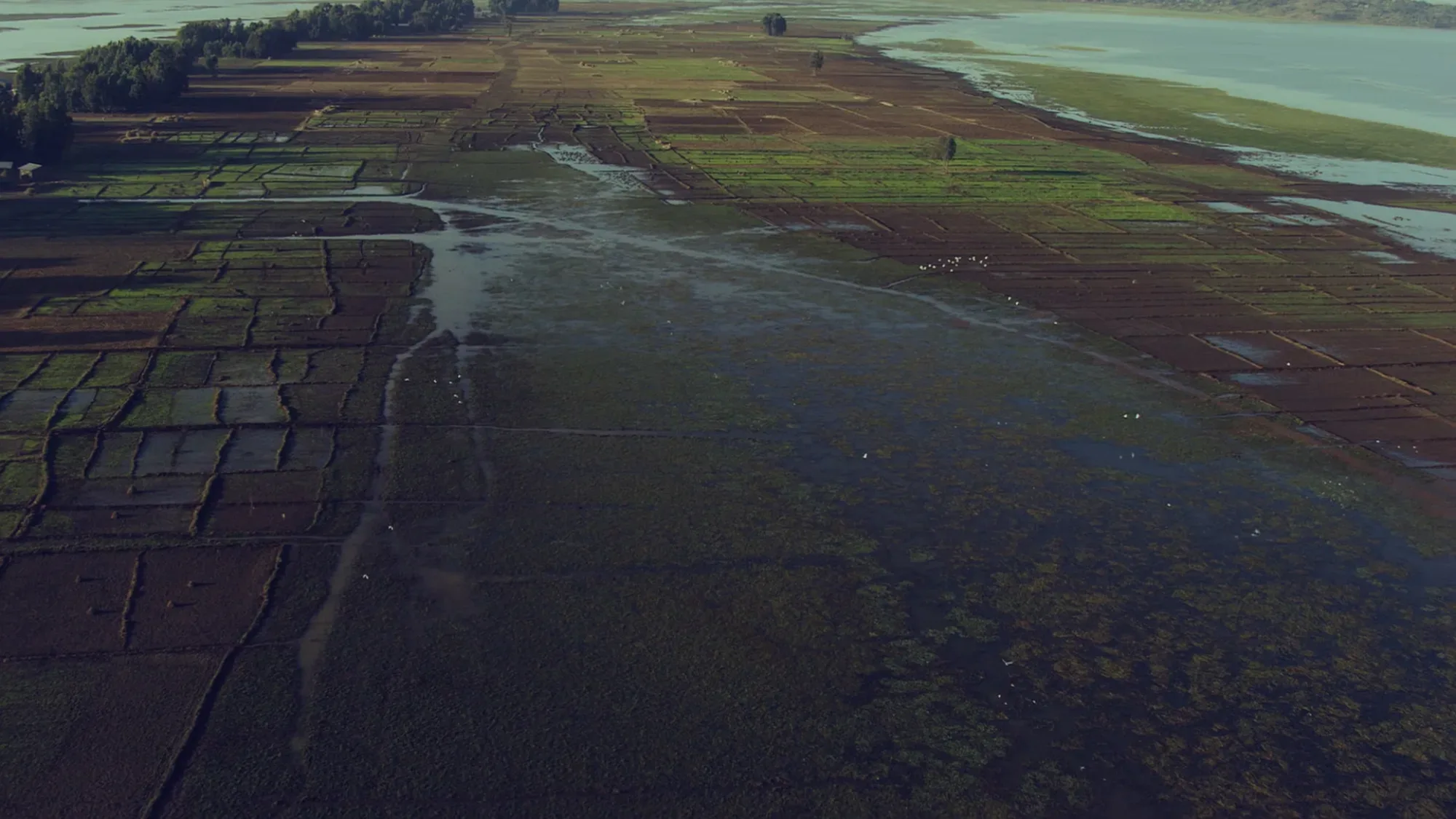
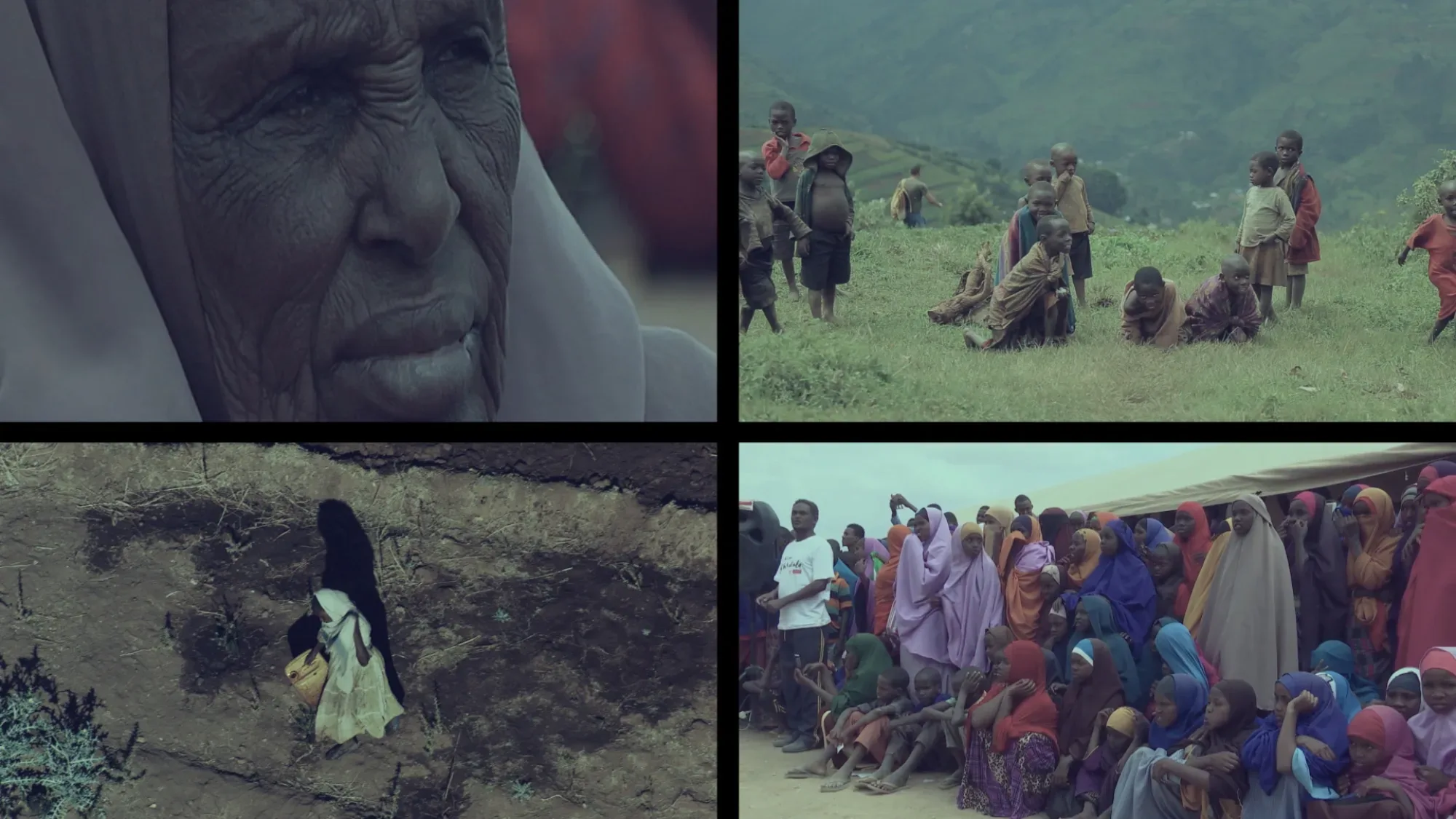



This film is part of our live streaming and event production and corporate film work. See all the films we make.
Read the transcript
We're very excited about the new African Regional Data Cube. It brings this new data technology to five different countries in Africa that typically are not users of satellite data. And they're going to have this chance now to look at the Earth from totally new ways and to use it for sustainable development goals. Initially data was being siloed as a scientific tool, but what I've learned is data actually is an everyday thing that should inform, transform, and even inform how we do our daily business.
From our own livelihood, to environment, and to policy, and to how we engage as networks with globally and locally. We have all the data we want now, but that's actually a bit of a problem. It's no longer, how do I get the data and I can't buy it? It's now, I've got so much data, how do I use it?
In the absence of data, it truly becomes very difficult for us, another developing country, to really effectively plan. And I think the government has made a deliberate decision to really leverage innovation, leverage ICT, to make data more readily available to support our planning processes. Earth observations, both from satellites as well as from ground-based stations, in situ data and data from airborne sensors, can help when combined with other sources of data such as national statistics, administrative data, and other types of data sources, including citizen science, crowdsource data, can really help countries monitor and understand how to better monitor and achieve progress towards sustainable development in a consistent, cost-effective and timely manner. Through the global partnership, you're at the forefront of the innovation and new ideas that will bring the promise of the data revolution to bear on the most critical problems of our time and on our efforts to achieve the SDGs.
I congratulate your progress so far. I'm particularly excited to see the launch this week of the Africa Regional Data Cube, which aims to increase agricultural productivity and provide jobs for young people. We are especially pleased that with the launch of the African Regional Data Cube, that we'll begin to make the benefits of data revolution more real and tangible to data communities who have often been left behind. This is a big step towards the destination of who we want to be in 2030.
Would you like a film like this? Start a film project