
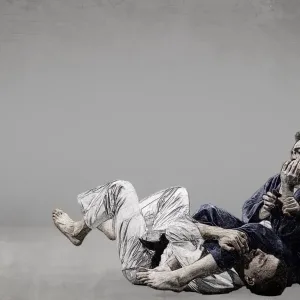

Judo Explained
We created this presenter-led film using high-impact graphics to explain how the sport of judo is played.
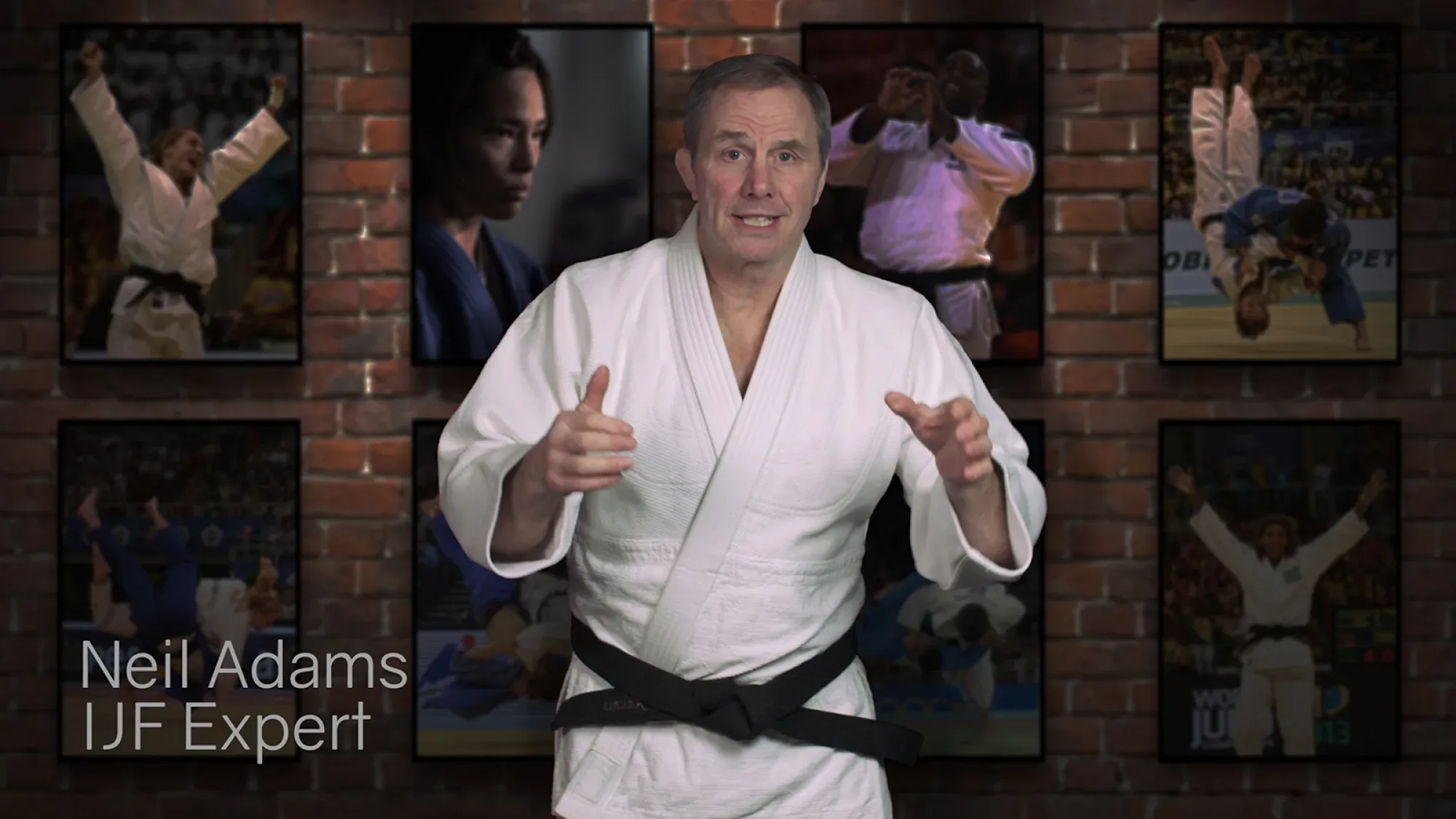
For the 2016 Rio Olympics, it was important that new audiences to the sport were able to understand the rules of play in order to fully be able to enjoy the experience. Working with the International Judo Federation and judo legend turned commentator, Neil Adams, we script, shot, and post-produced this film.
As the rules of the sport have evolved, we have subsequently remade the film to reflect rule changes.
The film was shot in a dojo studio in Bristol, with Neil Adams filmed against a set built from poster-sized images of famous judoka rather than green screen, to give the backdrop more life. We revised the script directly with the IJF as the sport's scoring rules changed, and updated the film again in 2017 to match.
This film is part of our corporate film and animation and motion graphics work. See all the films we make.
Read the transcript
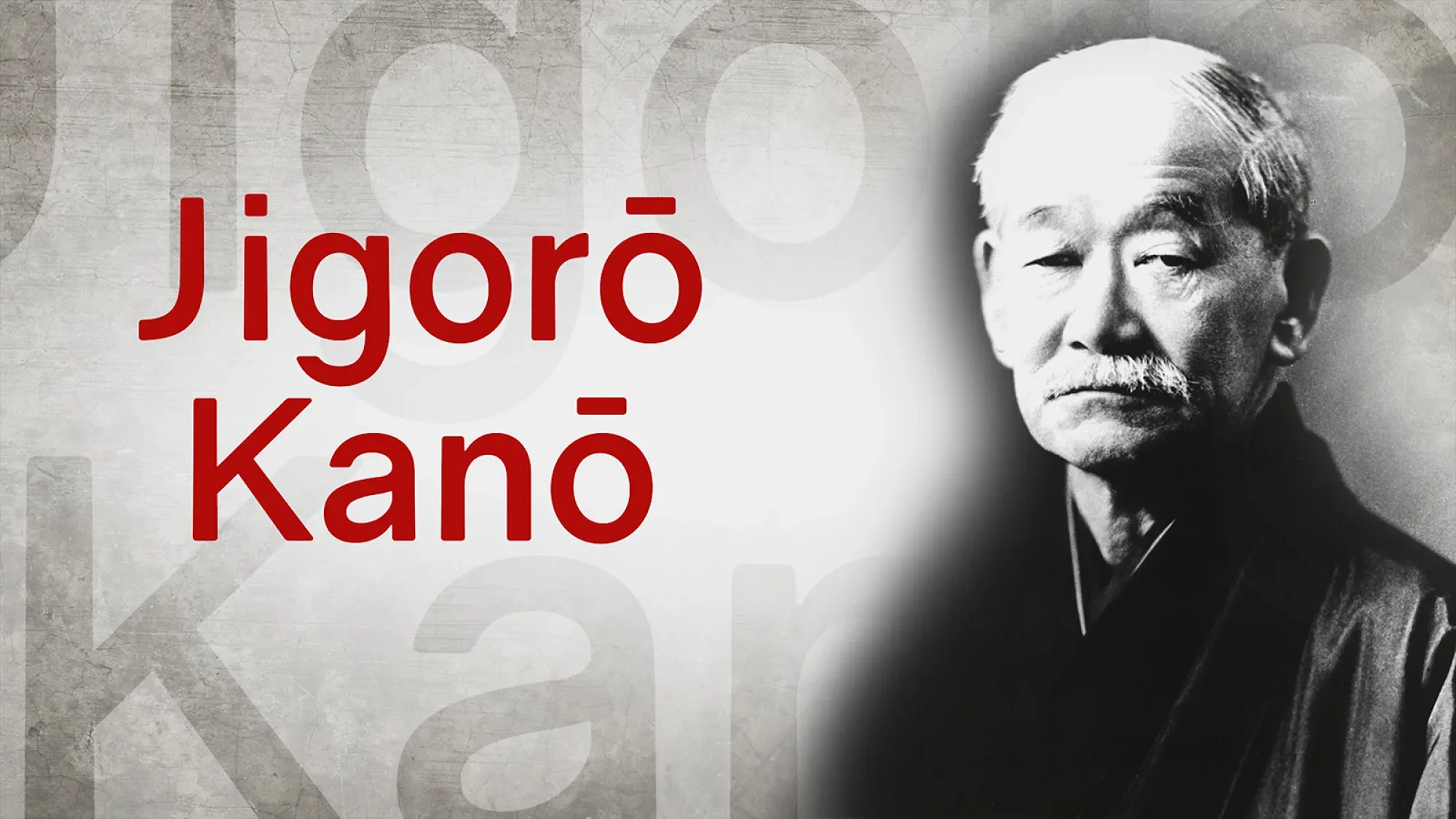
Judo is an Olympic martial art where competitors known as judokas face opponents in single combat in a tournament of elimination. The founder of modern judo, Jigoro Kano, had a philosophy of maximum efficiency, minimum effort. Judokas must wear a special jacket, trousers, and belt, the judogi. In competition, players wear white or blue.
Gripping up is critical. The person who dominates the gripping of the jacket will normally be in the best position to dominate the fight. So how do you play and how do you win? Each fight is up to four minutes long.
Opponents begin the fight with a bow. The highest score is an ippon. This is the ultimate score because it wins the contest outright and finishes the fight. There are four ways to score ippon.
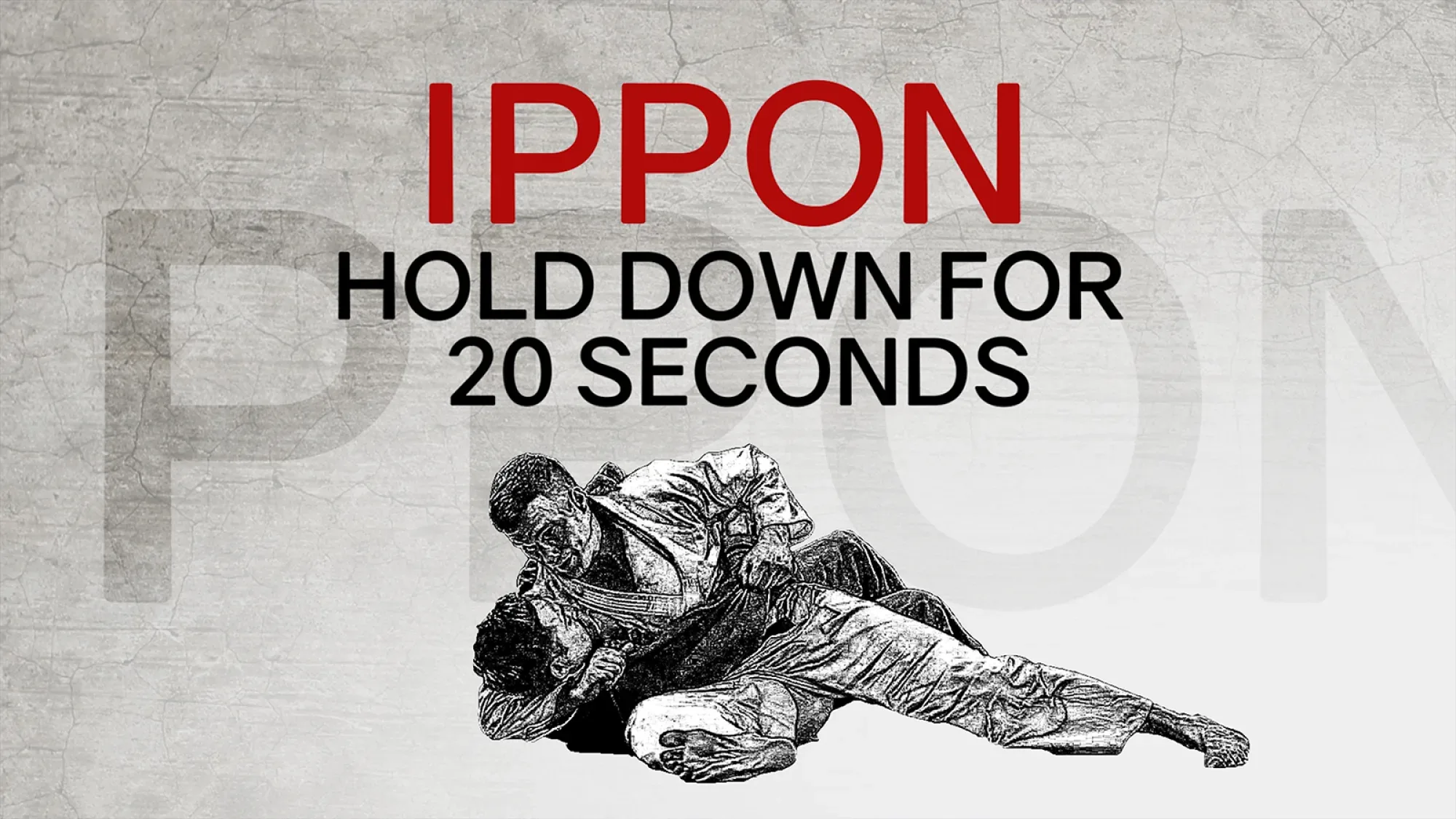
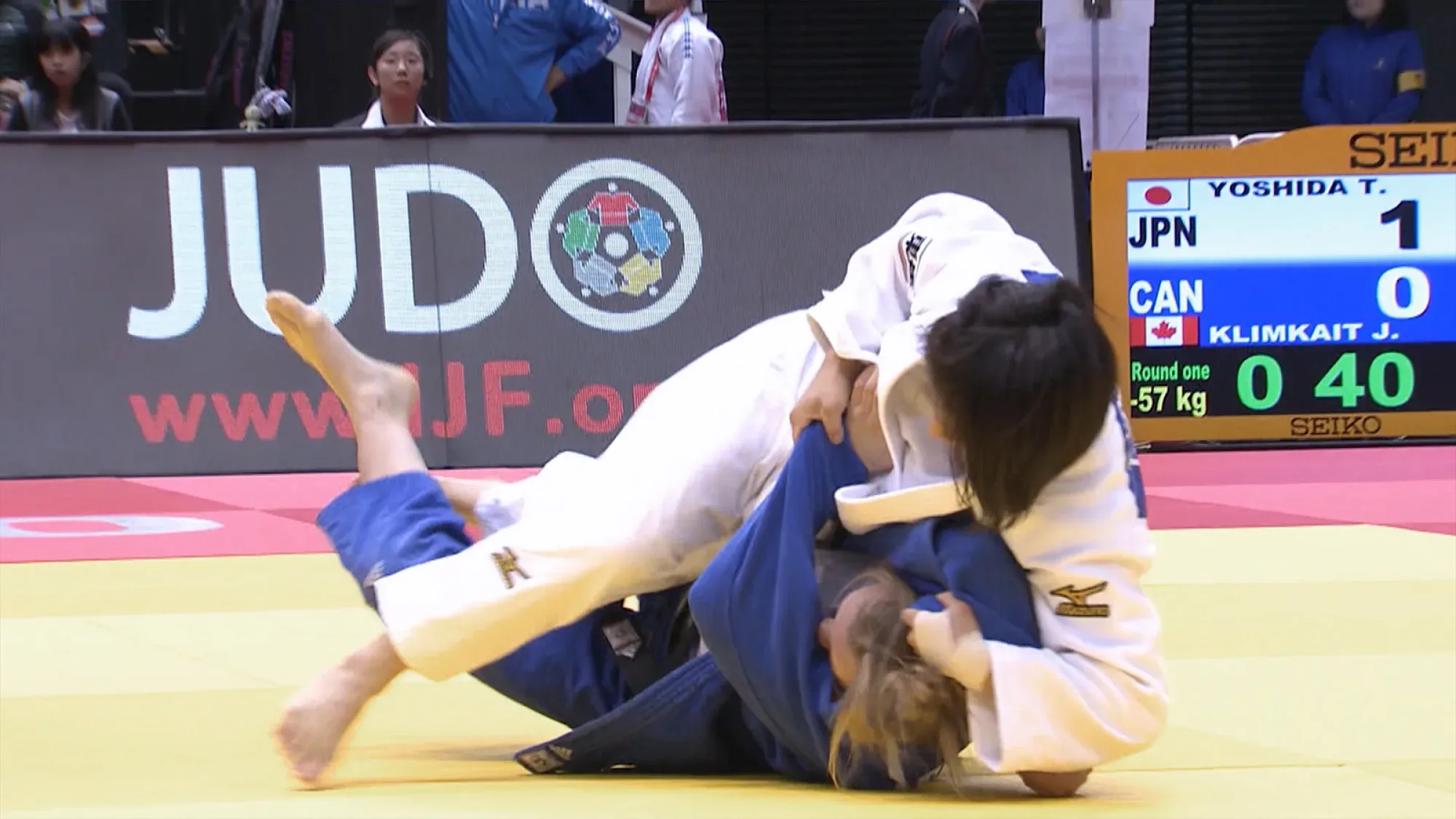
The first is to throw your opponent on their back with force, and this can be done using a variety of throws from many different directions. Ippon can also be awarded during groundwork. If you hold your opponent on their back for 20 seconds by controlling the upper part of their body, then ippon is awarded and the contest is finished. Two other ways to win by ippon are to gain a submission, either by arm locking or strangling your opponent.
If your opponent taps out, ippon is awarded. Waza-ari is the next highest score. If two waza-aris are scored, then ippon is awarded. If all is equal at the end of the contest, a period of golden score will begin.
In golden score, play continues until a waza-ari or ippon is scored. There is also a penalty system. Disqualification or hansoku-make can be given for major breaches of the rules. Penalties for smaller infringements are shidos.
Judo has a moral code that operates on the principles of politeness, courage, sincerity, honour, modesty, respect, self-control, and friendship. Enjoy the judo.
Would you like a film like this? Start a film project